

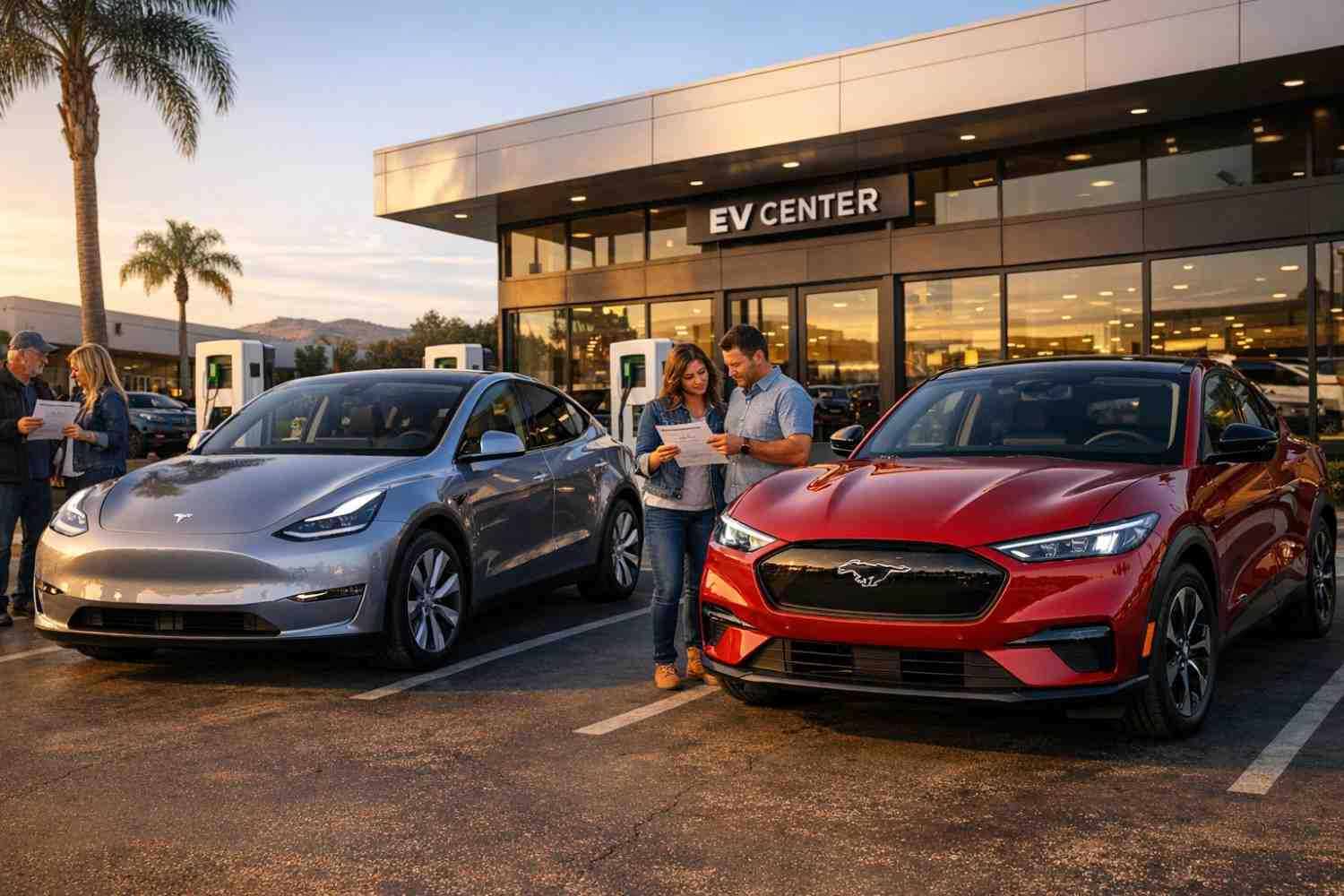
You’re at the dealership, looking at two EVs with similar price tags. One effectively costs $7,500 less — but only if you qualify for the federal tax credit and the car meets a surprisingly strict checklist. That gap is real, and it is often confusing for first-time buyers.
By 2026, the federal EV tax credit has settled into a more complicated but more usable system than what buyers dealt with a few years ago. This breakdown explains how the credit actually works today — including income limits, vehicle rules, how the point-of-sale discount changes the math, and where buyers still get tripped up. We’ll also look at real vehicle examples using EPA data and how charging infrastructure reality factors into whether the credit even matters for you.
The $7,500 Credit Isn’t Automatic Anymore
The headline number hasn’t changed: up to $7,500. However, getting the full amount in 2026 depends on two separate buckets battery components and critical minerals. Each is worth $3,750, and a vehicle has to meet sourcing rules tied to U.S. or trade partner supply chains, according to the U.S. Department of Energy (2026 guidance).
Think of it like a two-key system. If a car meets only one requirement, you get half the credit. This is why some EVs qualify for the full $7,500, while others land at $3,750 or nothing at all. It’s not about brand prestige or price; it is about where the battery materials come from and where the vehicle is assembled.
Final assembly must still happen in North America to qualify for any portion of the credit. This rule significantly limits the number of imported models that can compete on price.
| Vehicle (2026) | EPA Range (miles) | Credit Eligibility | Credit Amount |
| Tesla Model Y Long Range | 310 (EPA est.) | Full eligibility | $7,500 |
| Ford Mustang Mach-E Select | 250 (EPA est.) | Partial eligibility | $3,750 |
| Hyundai Ioniq 5 (imported) | 303 (EPA est.) | Not eligible | $0 |
EPA range figures are based on fueleconomy.gov (2026 model year estimates). Short version: don’t assume eligibility. You must check the exact trim and VIN.
The Income Limits Matter More Than Most Buyers Expect
A lot of buyers don’t realize they’re over the limit until it’s too late. For 2026, the income caps remain tied to modified adjusted gross income (MAGI) as outlined by the IRS Clean Vehicle Credit Guidance. These limits are $150,000 for single filers, $225,000 for heads of household, and $300,000 for joint filers.
If you go over that cap, even by a small margin, the credit disappears entirely. There is no phase-out and no partial credit for high earners. This is one of the bluntest parts of the policy, catching people who get bonuses or stock payouts in a given year.
Here’s the practical twist: you can use either your current year or previous year income to qualify. This flexibility helps if your income fluctuates significantly. In my experience, this is where buyers should pause and actually run the numbers instead of guessing based on last year’s tax return.
The Point-of-Sale Credit Changes Cash Flow
This is the part that finally made the credit usable for more buyers. Starting in 2024 and continuing into 2026, you can transfer the tax credit to the dealer at the time of purchase. That means the discount comes off the purchase price immediately instead of waiting until tax season.
Same $7,500 benefit, but the timing is far superior. Think of it like using a gift card instead of waiting for a rebate check months later. The total benefit is identical, but the upfront cost drops, which can affect loan amounts and monthly payments.
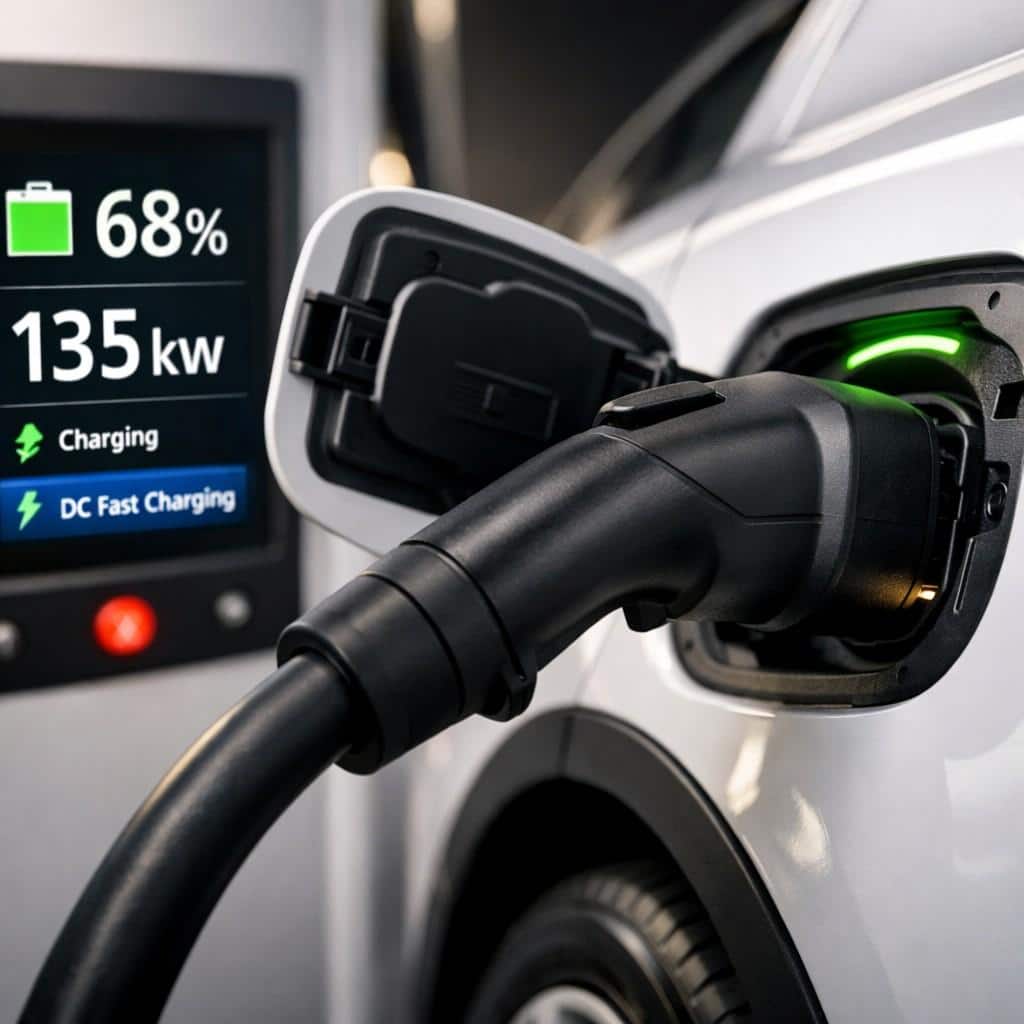
Lower financed amounts mean less interest paid over the life of the loan. Tools like the Edmunds’ True Cost to Own calculator make this pretty clear when you plug in two scenarios: with and without the credit applied upfront. But there’s a catch. If you claim the credit at the dealership and later turn out to be ineligible based on income, you may have to repay it when filing taxes.
Used EVs Now Qualify — With Different Rules
This segment of the law flies under the radar for most consumers. Used EVs can qualify for up to $4,000 in credit, or 30% of the purchase price, whichever is lower. However, the conditions are tighter: the vehicle price must be $25,000 or less, and it must be at least two model years old.
Income caps are also lower for used vehicles, set at $75,000 for single filers and $150,000 for joint filers. You must purchase from a dealer to qualify; private party sales are excluded. This is where the math gets interesting for budget-conscious drivers.
A 2022 Chevy Bolt selling for around $20,000 could effectively drop to $16,000 after the credit. That puts the vehicle firmly into gas-car pricing territory without the associated fuel costs. Unlike new EVs, battery sourcing rules don’t apply here, which simplifies the shopping process significantly. In our assessment, this is the most underrated part of the policy.
Charging Reality Still Shapes Financial Value
The tax credit reduces purchase cost, but it doesn’t fix charging infrastructure. That distinction matters more than most policy discussions admit. According to the U.S. Department of Energy’s Alternative Fuels Data Center (2026), the U.S. now has over 70,000 public charging stations, but distribution remains uneven.
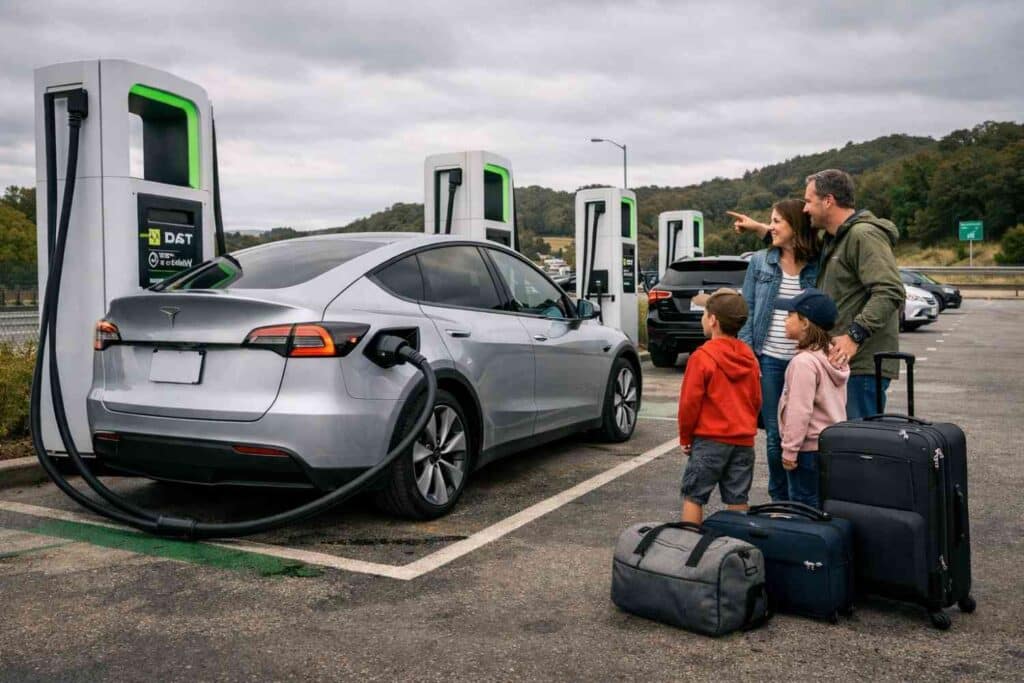
Urban areas and coastal states are well covered, but large parts of the Midwest still lag. A $7,500 discount doesn’t help much if charging is inconvenient where you live. For example, cold weather can reduce range by 15–25%, a factor that many buyers in northern states overlook.
In my view, buyers should weigh charging access as heavily as the tax credit itself. The credit is a financial lever, but charging access is a daily reality. Chasing the tax credit alone can lead to the wrong decision if your local grid or housing situation doesn’t support an EV.
Not Every “Eligible” EV Makes Financial Sense
Some EVs qualify for the full credit but still cost more to own than alternatives that don’t. Depreciation, insurance, and electricity rates all play a role in the total cost. According to the U.S. Energy Information Administration (2026), average residential electricity rates vary widely by state.
For example, a Tesla Model Y uses roughly 28 kWh per 100 miles. At $0.15/kWh, that costs ~$4.20 per 100 miles, but at $0.30/kWh, it jumps to ~$8.40. While still cheaper than gas in most cases, the margin isn’t always massive. Chasing the credit is one input, not the final conclusion.
Conclusion: The Credit Works — If You Fit the System
The federal EV tax credit in 2026 rewards buyers who align with its rules: moderate income, eligible vehicle, and access to charging. If that’s you, the savings are real and immediate especially with the point-of-sale discount lowering your upfront cost.
The strongest candidates are buyers choosing vehicles with confirmed full eligibility and planning to charge primarily at home. That’s where the numbers consistently work in your favor. What this article can’t fully cover is how rapidly eligibility changes. Battery sourcing rules shift, and a vehicle that qualifies today might not next year.
Before making a decision, check the latest eligibility list on fueleconomy.gov, verify your income qualification, and run ownership cost scenarios. Those three steps will get you closer to a clear answer than any headline number ever will.
References
- U.S. Department of Energy – Electric Vehicle Tax Credits
- EPA Fuel Economy Data – fueleconomy.gov
- U.S. Department of Energy – Alternative Fuels Data Center
- U.S. Energy Information Administration – Electricity Data
- IRS Clean Vehicle Credit Guidance
Disclaimer: The information provided in this article is for educational and informational purposes only. It does not constitute professional advice. Readers should conduct their own research and consult with qualified professionals before making any decisions.