

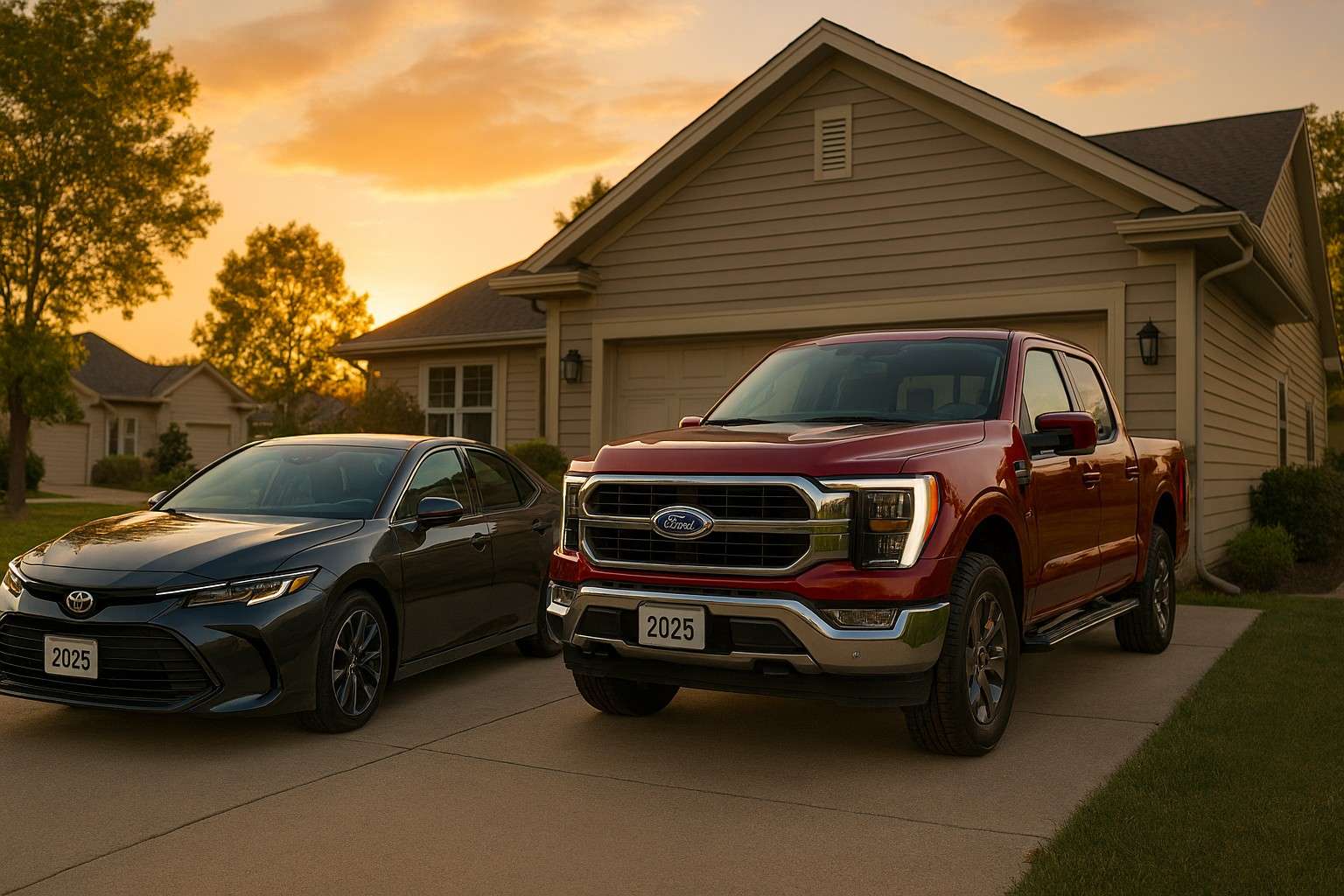
The average American driver is spending roughly $11,577 a year to own and operate a new vehicle, according to the latest AAA Your Driving Costs report. That number surprises people. Not because it’s wrong, but because most owners only ever think about the monthly payment.
And that’s where things go sideways.
This breakdown walks through what you’re actually paying every year — fuel, insurance, maintenance, depreciation — using real data from AAA, the EPA, and J.D. Power. You’ll see where the money goes, what costs are predictable, and which ones sneak up on you when you skip the basics. I’ve spent years in the bay seeing exactly how these figures impact real drivers, and the math doesn’t lie.
The Number Everyone Misses: Depreciation
You don’t write a check for depreciation. That’s why people ignore it. But it’s the biggest cost you have.
The latest AAA Driving Costs data estimates depreciation averages $4,334 per year on a new vehicle. That’s over a third of your total annual ownership cost. It happens silently whether you notice it or not.
A $35,000 sedan dropping to $22,000 after five years isn’t unusual. That loss gets baked into your cost per year.
In my assessment, this is where buyers get burned the most. They stretch for a higher trim or a luxury badge thinking it’s a small jump monthly. But the resale hit later is what really stings.
And you don’t beat depreciation easily. Certain vehicle types or specific models and configurations may depreciate differently depending on their popularity. For example, half-ton pickup trucks lose value differently than a small commuter sedan. Luxury vehicles also tend to experience much steeper drops in value once the manufacturer’s warranty expires.
Fuel Costs: Still a Major Line Item
Fuel isn’t what it was five years ago, but it’s still one of your biggest ongoing expenses. The national average fuel cost dropped to 13 cents per mile in the latest study period.
The EPA estimates average annual fuel costs based on vehicle type and mileage. Based on real-world data from fueleconomy.gov, your results depend heavily on your vehicle size and the daily routes you take.
Here’s how it breaks down in real terms based on 15,000 miles per year:
| Vehicle Type | Avg MPG / MPGe | Annual Fuel Cost |
| Small Sedan | ~35 mpg | ~$1,485 |
| Compact SUV | ~28 mpg | ~$1,714 |
| Medium SUV | ~24 mpg | ~$2,198 |
| Half-Ton Pickup | ~18 mpg | ~$2,676 |
| Hybrid Sedan | ~45 mpg | ~$1,100 |
| Electric Vehicle | Equivalent ~120 MPGe | ~$739 |
The spread matters. Switching from a 20 mpg truck to a 45+ mpg hybrid can save you over $1,500 a year. That’s real money, not theoretical estimates.
Driving habits matter more than the spec sheet. Aggressive driving, short trips, and idling can wipe out efficiency gains quickly. Your mileage will vary, literally. If your daily commute involves heavy stop-and-go traffic, an internal combustion engine will burn fuel much faster than a hybrid system that relies on electric power at low speeds.
Insurance Isn’t Stable Anymore
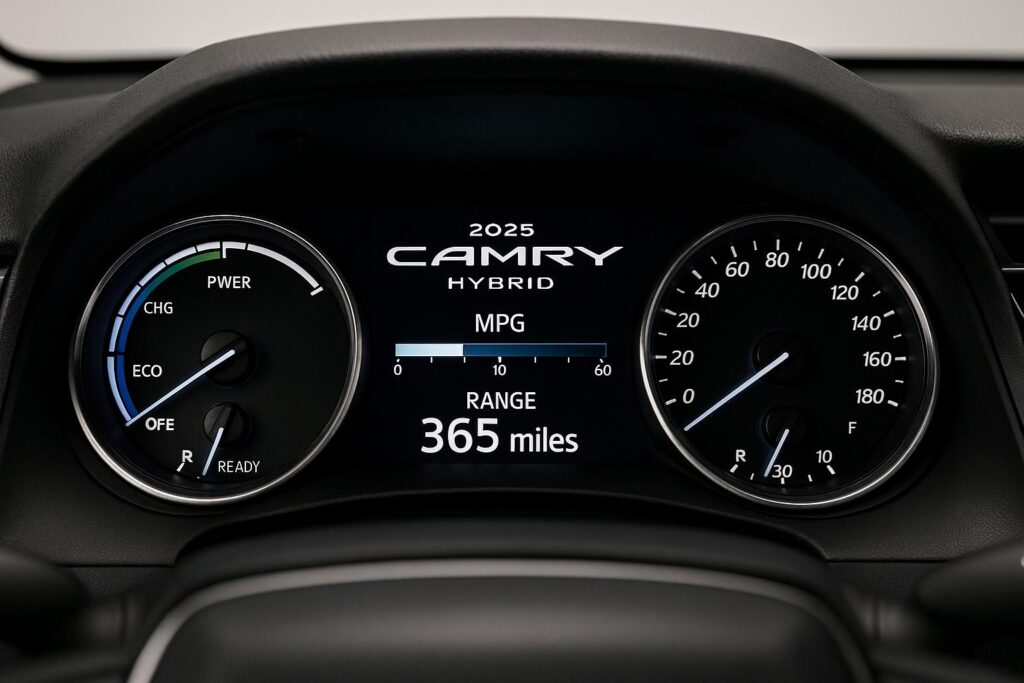
Five years ago, insurance was predictable. Now, rates are climbing as vehicle repair costs skyrocket.
According to the latest AAA insurance cost analysis, the average driver pays $1,694 annually for full coverage. This figure assumes a driver over 25 with a clean record living in a typical suburban or city environment.
Newer vehicles cost more to repair. Sensors, cameras, and radar units push up the final bill. Even a minor fender bender can involve recalibrating driver-assist systems.
That cost gets passed to you through insurance premiums. If a car came into my bay after a light collision ten years ago, we’d be talking paint and maybe a panel. Now, you are recalibrating lane assist and adaptive cruise systems.
Trucks and performance vehicles typically cost more to insure. Hybrids and EVs can go either way, sometimes costing more depending on repair complexity. Some insurers charge a premium for electric cars due to the high cost of battery replacement in the event of a severe impact.
Maintenance and Repairs: Where Neglect Gets Expensive
This is the part you actually control. The latest reports show average maintenance costs sit around $1,100 to $1,500 annually for newer vehicles. That number assumes you are following the manufacturer’s service schedule.
Skip it, and the math changes fast.
A few real-world examples from the shop:
- Oil change: $60–$120. Skip oil changes, and you risk engine sludge leading to a $3,000+ repair.
- Coolant flush: $100–$150. Skip it, and overheating can cause a $1,500–$2,500 head gasket job.
That’s not theory, that’s routine. According to the J.D. Power 2025 Vehicle Dependability Study, reliable brands still require proper care to maintain their lifespan.
Even the most reliable car won’t survive neglect. Maintenance is the easiest place to save money long-term, not by spending less, but by spending on time. If you ignore a simple spark plug replacement, you risk misfires that can destroy your catalytic converter, which is a massive repair bill.
Registration, Taxes, and Fees
This category varies a lot by state. On average, you’re looking at $813 annually for license, registration, and taxes in the U.S..
Some states base it on vehicle value, others on weight or age. New cars cost more here too. Another hidden hit that owners often forget to budget.
It doesn’t go away. This is a recurring cost that stays with you as long as you own the vehicle. Some states even impose heavy extra annual fees on electric vehicles to make up for lost gas tax revenue.
The Reality of EV Battery Health and Specialized Tires
Electric vehicles are heavily praised for lower operating costs. However, they introduce unique expenses that catch many buyers off guard.
The biggest long-term question mark is battery health. While most manufacturers offer an 8-year or 100,000-mile battery warranty, degradation still happens. Replacing an out-of-warranty EV battery pack can cost between $5,000 and $15,000, which completely erases years of fuel savings.
Another hidden expense is tire wear. Electric vehicles are significantly heavier than gas cars due to their massive batteries. They also produce instant torque off the line.
This combination wears out tires up to 20% faster than internal combustion vehicles. Specialized low-rolling-resistance tires designed for EVs often cost more to replace as well. In my shop, I regularly see electric car owners shocked that they need new tires after just 25,000 miles.
Regional Variations: Why Averages Can Lie
While the national average gives you a baseline, where you live drastically shifts the final math. Regional fuel prices, insurance variations, and local climates create a massive swing in your real cost of ownership.
For example, a driver in California will face significantly higher fuel costs than a driver in Texas. In states with high electricity rates, running an EV might cost almost as much per mile as driving an efficient hybrid.
Insurance also swings wildly. If you live in a high-density urban area or a state prone to extreme weather, your annual premiums could easily double the national average cited in the study.
Even climate plays a part in maintenance. Vehicles in the Rust Belt face harsh salt on winter roads, accelerating corrosion on suspension components and brakes. This creates a higher demand for preventative undercoating and more frequent brake services.
Putting It All Together: Annual Ownership Cost Comparison
Here’s what a realistic annual cost breakdown looks like across common vehicle types driven 15,000 miles per year:
| Cost Category | Small Sedan | Compact SUV | Half-Ton Truck | Hybrid Sedan | Electric Vehicle |
| Depreciation | $2,629 | $3,554 | $6,041 | $3,472 | $4,513 |
| Fuel | $1,485 | $1,714 | $2,676 | $1,100 | $739 |
| Insurance | $1,511 | $1,726 | $1,699 | $1,651 | $1,995 |
| Maintenance | $1,358 | $1,449 | $1,703 | $1,551 | $1,632 |
| License & Fees | $519 | $641 | $1,098 | $725 | $859 |
| Total Cost | $7,412 | $9,084 | $13,217 | $8,599 | $9,738 |
These are averages based on the AAA 2025 Fact Sheet. Real numbers shift based on driving habits, location, and how long you keep the vehicle.
Trucks cost significantly more to operate annually. Hybrids and small sedans remain the most cost-effective choices for typical commuters.
The Quiet Cost: Financing
If you are financing, add interest to your budget. A higher sticker price directly impacts your finance costs.
The average annual finance charge sits at $1,131 based on a 5-year loan with a 15% down payment. Most people only look at the monthly payment number.
That is the mistake. Shorter loan terms reduce total cost but increase monthly payments. Longer terms do the opposite and often keep you upside down on the loan longer than you expect.
Compare finance rates with local banks and credit unions before walking into a dealership. Having a pre-approval gives you leverage in the finance office. It stops dealers from padding the interest rate on the back end of the deal.
Where You Can Actually Save Money
You cannot eliminate costs entirely. But you can control them.
A few moves consistently make a difference:
- Keep the car longer: This reduces the heavy impact of initial depreciation. The longer you drive a paid-off car, the more your average annual cost drops.
- Follow service intervals exactly: This prevents catastrophic and expensive repairs. Spending $100 on a transmission fluid exchange saves you $5,000 on a new gearbox later.
- Compare insurance annually: Rates vary widely between carriers for the same profile. Never let your policy auto-renew without shopping around for quotes first.
- Choose efficient powertrains: This is especially true if you drive a lot of miles.
Do not overbuy the vehicle. Stepping down one trim level or skipping unnecessary features often saves more long-term than people expect, especially once depreciation is factored in.
Conclusion: Who Pays the Most and Who Gets it Right
If you are driving a full-size truck as a daily commuter without needing it for heavy towing, you are spending the most. That can easily reach $13,000+ annually once everything is factored in. That is fine if you need it for heavy work, but less fine if it is just for weekend trips.
For most drivers, a small or hybrid sedan is where the numbers make the most sense. Lower fuel costs, lower depreciation, and generally fewer surprises long-term offer the best financial balance.
However, this breakdown does not cover everything. Regional fuel prices, insurance variations, and specific model reliability can swing your real cost by thousands of dollars either way. If you live in an area with high electricity rates or heavy registration taxes, your EV math changes dramatically.
Before buying your next vehicle, run the numbers yourself. Check EPA fuel estimates, look up real reliability data, and price insurance before you sign anything.
That is where the real savings are found.
References
- AAA Your Driving Costs 2025 Report
- EPA Fuel Economy Data
- J.D. Power 2025 Vehicle Dependability Study
- Consumer Reports Auto Reliability Survey
- Edmunds True Cost to Own
Disclaimer: The information provided in this article is for educational and informational purposes only. It does not constitute professional advice. Readers should conduct their own research and consult with qualified professionals before making any decisions.