

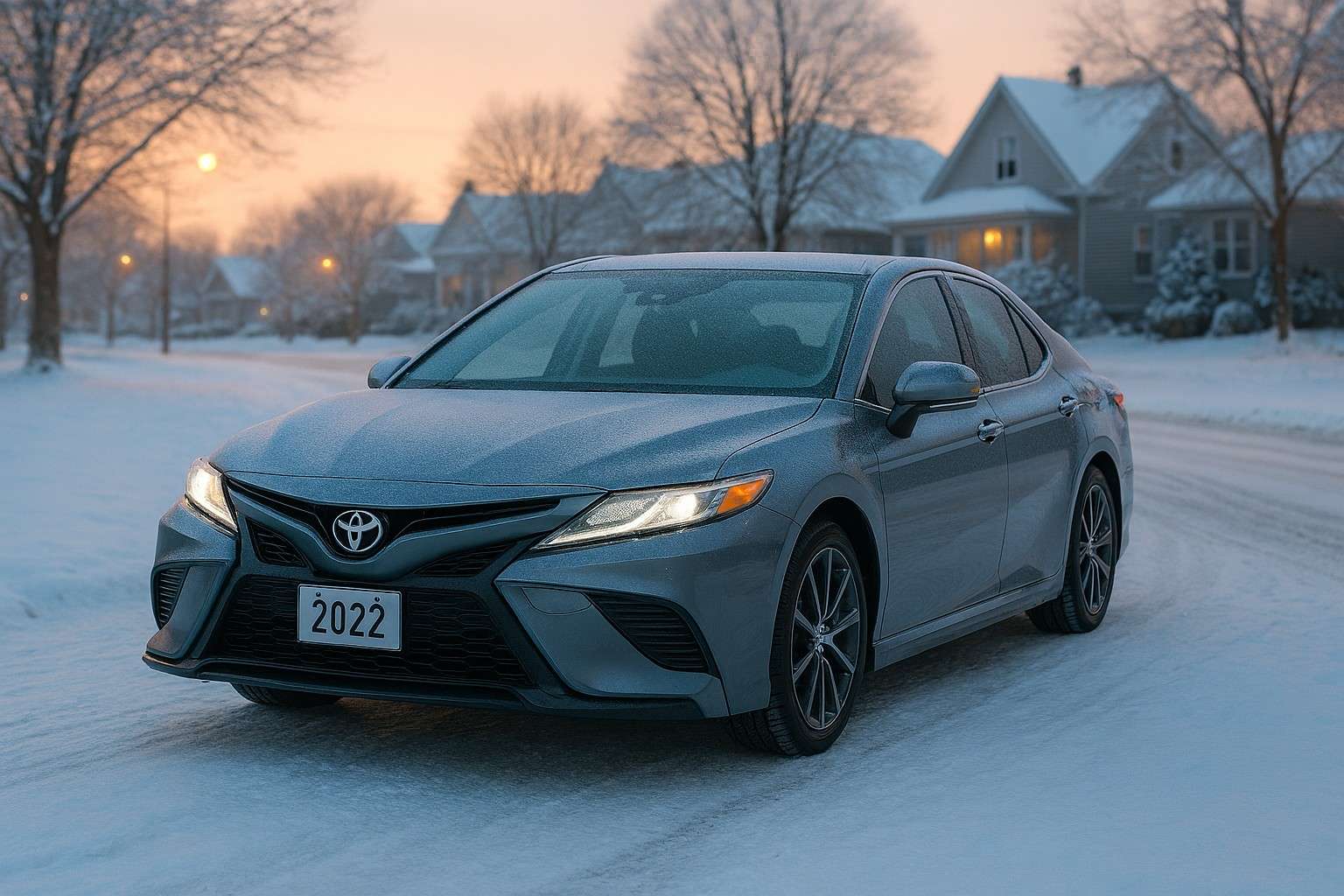
You get that first cold morning, turn the key, and the engine drags like it’s half awake. That’s usually when people start thinking about “winter prep.” By then, you’re already behind.
Most winter-related failures aren’t sudden. They’ve been building for months — weak batteries, worn tires, and old coolant. This guide breaks down what actually prevents those failures, what shops commonly push that doesn’t move the needle, and what you can handle yourself versus what needs a professional bay and a lift.
A winter prep visit at a shop typically runs $150–300 if you let them stack services. The core items that actually matter can be done for half that — sometimes less — if you’re selective. In my experience as a technician, at least a third of those line items can wait.
1. The Battery: The First Point of Failure
Skip battery checks and you’ll likely be calling for a jump. Cold weather exposes weak batteries because chemical and physical reactions inside the battery occur more slowly in low temperatures.
According to AAA Research, an average battery’s capacity can drop significantly in cold weather, requiring a reserve of 15-20% just to heat itself. A battery that felt “fine” in summer can struggle below freezing. Most manufacturers expect battery life around 3–5 years. If you’re in that window, test it before winter hits.
If this came into my bay with slow cranking, the first thing I’d check is voltage under load—not just static voltage. A battery can show 12.6V and still fail when you actually demand power. A proper load test at a shop runs $0–50, though many parts stores perform this for free.
What’s worth doing:
- Replace the battery if it tests weak or is over 4 years old ($120–250 installed).
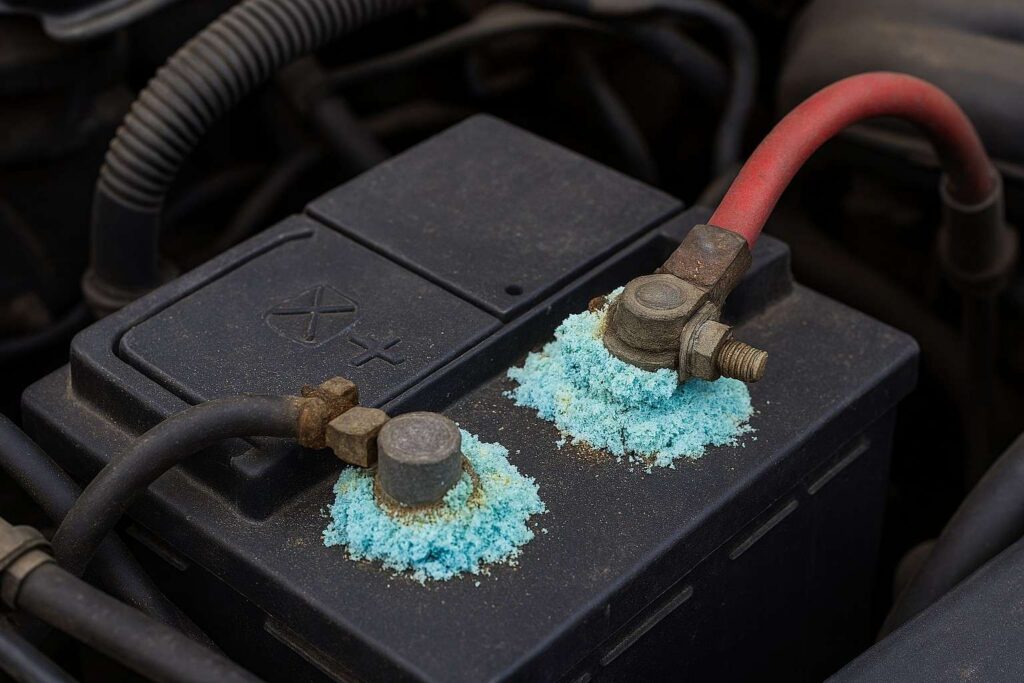
- Clean terminals if there’s visible corrosion (DIY, 10 minutes).
What’s not:
- “Battery conditioning services” some shops sell. This is largely fluff for modern sealed maintenance-free batteries.
2. Tires: Your Only Connection to the Road
Ignore tire condition and you lose traction fast. Winter doesn’t forgive worn tread. While the legal minimum tread in most states is 2/32″, snow traction falls off hard below 5/32″.
For those in severe climates, the Automobile Protection Association (APA) notes that all-season rubber begins to lose elasticity and grip at temperatures as warm as 7°C (45°F). In contrast, dedicated winter tires use softer compounds that stay pliable down to -30°C.
Winter Performance Comparison
| Tire Type | Estimated Cost (Set of 4) | Winter Performance | Ideal Usage Case |
| All-Season | $500–$900 | Moderate | Mild winters, occasional light snow |
| Winter/Snow | $600–$1,100 | Strong | Consistent snow, ice, and temps below 45°F |
| Worn All-Season | $0 (Upfront) | Poor | Dangerous in any winter accumulation |
In our assessment, if you’re in a northern state with consistent snow, winter tires aren’t overkill—they are a safety necessity. However, if you’re in a milder climate with only occasional cold snaps, a fresh set of all-seasons is usually sufficient.
3. The Cooling System: Antifreeze is Not Just for Freezing
Skip coolant service long enough and you risk internal damage. Coolant acts as antifreeze, corrosion protection, and water pump lubrication.
Most manufacturers recommend a coolant flush every 5 years or 100,000 miles. A neglected cooling system can lead to internal corrosion that eats away at radiators and heater cores. While a flush runs $100–180, a radiator replacement can hit $700–1,200.
Upsell to watch for:
- “Coolant additives” or “boosters.” Modern long-life coolant already includes the necessary inhibitors. Unless there is a specific cooling issue, these are unnecessary additions.
4. Visibility: Wipers and Fluid
Old wipers and low washer fluid leave you blind. Visibility gets worse in winter due to salt spray, slush, and shorter days.
Wiper blades should be replaced every 6–12 months. Winter-specific blades cost slightly more ($20–40 each) but are designed to resist ice buildup. Always use winter-grade washer fluid rated for freezing temperatures; regular fluid can freeze and crack the reservoir or lines.
This is simple driveway work that takes five minutes. Yet, shops often bundle it into “winter packages” with a significant markup.
5. Separating Maintenance from Marketing
This is where the upsells stack up. You’ll often hear about transmission flushes, fuel system cleanings, and throttle body services pitched as “winter protection.” While these services are valid maintenance items, their timing is rarely dictated by the season.
According to the CarMD 2025 Vehicle Health Index, ignoring common repairs like oxygen sensors or catalytic converters is more likely to impact reliability than skipping a seasonal “fuel cleaning”. Transmission fluid is critical, but most manufacturers call for service every 60,000–100,000 miles, not every December.
The Quick Checklist That Actually Matters
If you are going to do anything before winter, keep it tight:
- Battery test: Replace if weak or over 4 years old.
- Tire tread check: Replace if below 5/32″.
- Coolant condition: Flush only if due by mileage or age.
- Wiper blades: Install winter-grade blades and fluid.
- Basic inspection: Check for leaks or worn belts.
There is a limit to how much “preventive” work makes sense. If your battery is weak and your tires are worn, fix those first.
Conclusion
Spending $250–400 on core items like a battery and tires beats a $600 “winter prep” package filled with services your car doesn’t actually need yet.
Your next step is simple. Check your owner’s manual for service intervals, then review Federal Reserve G.19 data on consumer credit to see how rising maintenance costs might affect your budget this year. Use the CarMD Vehicle Health Index to see what is actually failing on your specific model. Do that once a year, and winter stops being a guessing game.
References
- AAA Texas: Cold Weather Impacts on Battery/Range
- CarMD: Vehicle Health Index 2025
- Tire Rack: Winter vs. All-Season Testing
- Automobile Protection Association: Winter Tire Ratings
- Federal Reserve: G.19 Consumer Credit Release (March 2026)
Disclaimer: The information provided in this article is for educational and informational purposes only. It does not constitute professional advice. Readers should conduct their own research and consult with qualified professionals before making any decisions.