

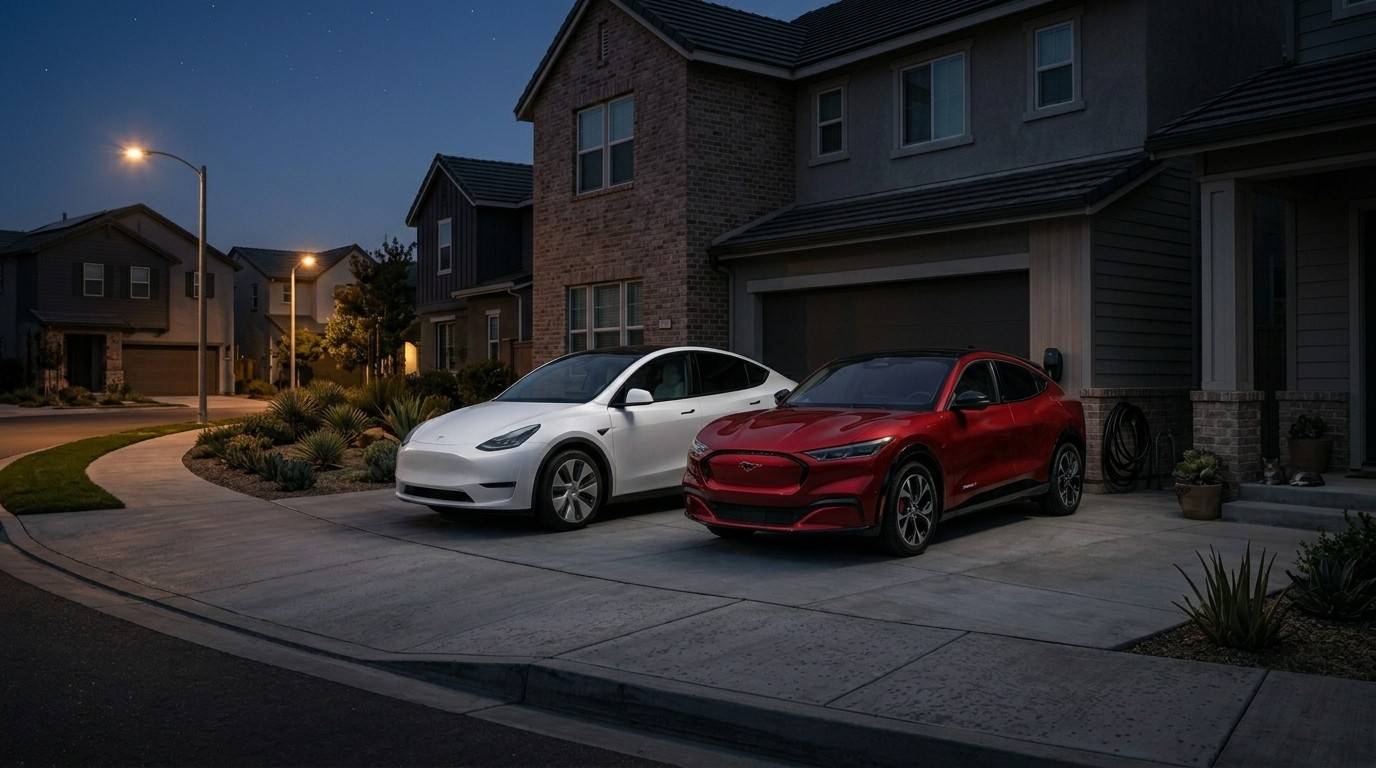
Power outages aren’t just an inconvenience for EV owners they directly affect when, where, and how reliably you can charge. In some regions, that risk is measurable: the difference between 0.5 outage hours per year and over 20 hours depending on where you live.
If you’re considering an EV or already own one, this isn’t abstract. Grid reliability shapes your real-world charging routine just as much as range or battery size. This breakdown uses Department of Energy (DOE) and NREL data to look at regional grid performance, how outages interact with charging infrastructure, and how 2026 technologies like bidirectional charging (V2H) are beginning to turn the car itself into a reliability solution.
Grid Reliability Varies Dramatically by Region and It Shows Up in Charging Consistency
U.S. grid reliability is measured using SAIDI (System Average Interruption Duration Index), which tracks the average total minutes of outage a customer experiences annually. According to 2025 DOE data, these metrics vary wildly based on local infrastructure and climate stress.
Think of grid reliability like cell signal strength most of the time it’s invisible, until suddenly it isn’t.Which means for most EV owners, your charging experience is tied to your geography. If you are in the Midwest or Northeast, outages are statistically rare and short. However, in states like California or Texas, reliability is increasingly weather-dependent. High-wind “Public Safety Power Shutoffs” in California or extreme temperature-related grid strain in Texas can disrupt charging for hours. For an EV owner, this means a “full tank” isn’t just about plugging in; it’s about the grid’s ability to deliver that power overnight.
Regional Grid Reliability Snapshot (2025–2026 Projected Data):
| Region | Avg Outage Hours/Year | Primary Cause | Charging Impact |
| Northeast | ~1.5 Hours | Storms, Aging Lines | Low; predictable |
| Midwest | ~1.0 Hour | Equipment Failure | Minimal; very stable |
| Southeast | ~6.0 Hours | Hurricanes, Humidity | Seasonal; high risk |
| Texas | ~12.0 Hours | Temperature Extremes | Moderate; peak-load risk |
| California | ~18.0 Hours | Wildfire Mitigation | Variable; planned shutoffs |
Data synthesized from DOE Electric Disturbance Reports and NREL Reliability Assessments.
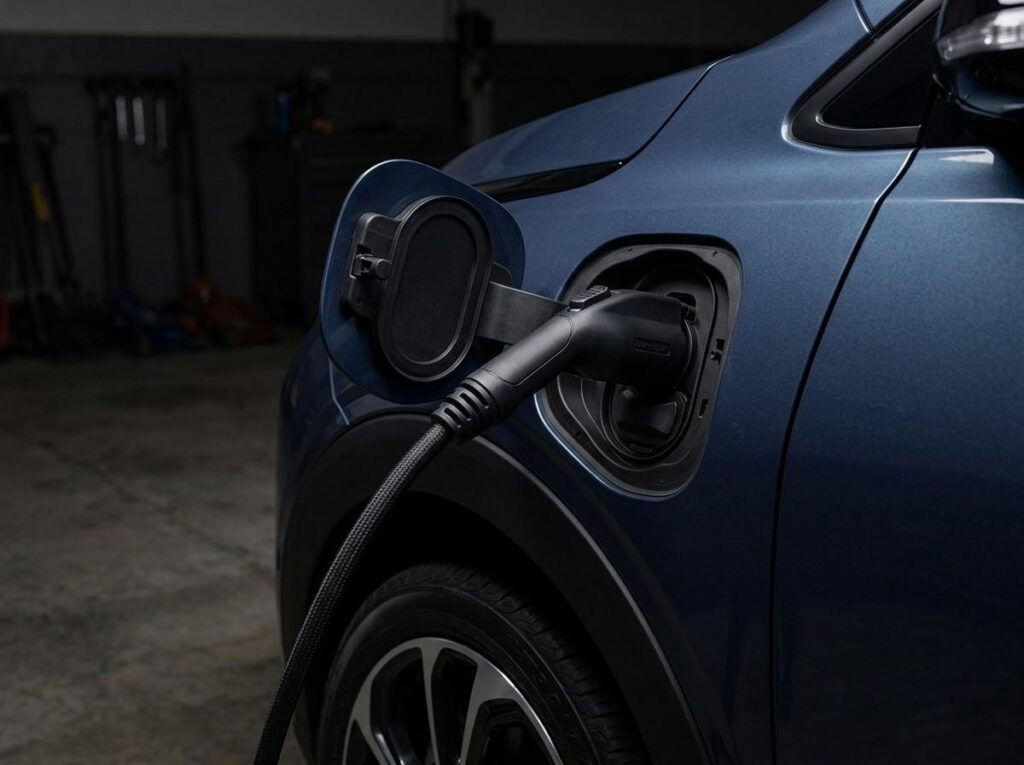
Home Charging Depends on Grid Stability Unless You Add V2H
Level 2 home charging typically runs at 240V and delivers 25–40 miles of range per hour. But it only works when the grid is live. Think of home charging like a water pump it doesn’t matter how efficient the pump is if the well runs dry.
For 80% of EV owners, home charging is the primary fuel source. If an outage interrupts your overnight session, you may wake up with a battery insufficient for your commute. However, a major shift in 2026 is the expansion of Bidirectional Charging (Vehicle-to-Home).
Newer models like the Ford F-150 Lightning and the 2026 Volkswagen ID.Buzz now support V2H. This allows the car to act as a massive home battery. Instead of the grid failing the car, the car supports the home. In my assessment, for those in high-outage regions like California, the ability for a vehicle to provide 3–5 days of emergency home power is becoming a more valuable feature than an extra 20 miles of highway range.
Public Charging Can Fill the Gap But It’s Not Uniformly Reliable
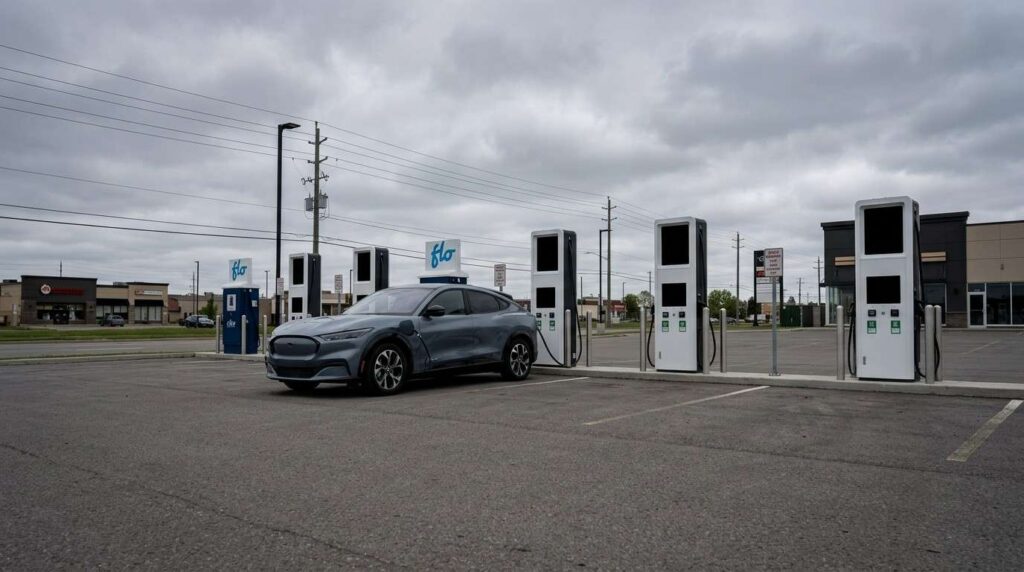
The U.S. now has over 160,000 public charging ports, but availability is not the same as uptime. Think of public chargers like gas stations with unpredictable hours they are there, but not always usable during a local grid event.
In stable regions, DC fast chargers (50–350 kW) maintain high dependability. But in outage-prone areas, these stations often go dark alongside the residential blocks they serve unless they are paired with onsite battery storage (like Tesla’s Megapacks).
Infrastructure Grid Dependence:
| Charging Type | Power Output | Grid Dependence | Reliability Factor |
| Home Level 2 | 7–11 kW | Total | Requires home backup/V2H |
| DC Fast Charge | 50–150 kW | High | Stalls often shared; high load |
| High-Speed DC | 350 kW | Very High | Frequent “throttling” during heat |
That last column is the key: as the grid hits peak load during heat waves, some networks “throttle” speeds to 50 kW to prevent equipment damage. This means your 20-minute stop can turn into a 60-minute wait during the exact weather events that make the grid most vulnerable.
Climate Stress and the “Efficiency Tax”
Extreme weather doesn’t just threaten the grid; it also taxes your EV’s efficiency. NREL data shows that peak demand spikes of 20% during heat waves coincide with the car needing more energy for cabin cooling.
Think of the grid like a highway when too many cars enter at once, the speed drops for everyone.
According to EPA data from fueleconomy.gov, range can fall by 15–30% in extreme cold or heat. This creates a “double-bind” for the owner: you need to charge more frequently at the exact moment the grid is under the most stress. In my view, this overlap is why “proactive charging” is a necessary habit for drivers in Texas or the Southeast. Keeping your battery at 60–80% rather than 20% provides a “reliability buffer” that a gas car which can be refueled in 5 minutes doesn’t require as urgently.
The Practical Ownership Difference: Same EV, Different Experience
A Tesla Model Y in Michigan and the same car in California do not offer the same ownership experience. The car is identical, but the infrastructure behind it is fundamentally different.
Ownership Scenario Comparison:
| Factor | Midwest Owner | California/Texas Owner |
| Annual Outage Time | < 1 Hour | 12–20+ Hours |
| Grid Reliability | High; consistent | Weather-dependent |
| Charging Behavior | Routine; passive | Proactive; “buffer” charging |
| V2H Value | Low (luxury) | High (resilience tool) |
This is where the conversation gets honest. Buyers compare range and price, but they rarely ask about their local utility’s SAIDI score. In my experience, understanding your local grid is the final piece of the EV puzzle.
Conclusion
What the data confirms: Grid reliability directly affects EV charging consistency. While the majority of the U.S. grid is stable enough for routine ownership, regions with weather-dependent infrastructure require a different approach to charging.
What remains variable: The rapid adoption of bidirectional charging (V2H) is the “X-factor” for 2026. As more vehicles gain the ability to power homes, the EV will transition from a grid-dependent appliance to a grid-supporting asset. This could essentially neutralize the reliability gap for homeowners over the next five years.
If you are evaluating an EV, I recommend checking your local utility’s historical outage data. Then, run your potential fuel savings and ownership costs through the Edmunds True Cost to Own calculator to see the full financial picture.
References
- DOE Alternative Fuels Data Center – Electric Vehicles
- DOE Charging Station Locator
- EPA Fuel Economy Data
- NREL – Renewable Energy & Grid Reliability
- Edmunds True Cost to Own Calculator
Disclaimer: The information provided in this article is for educational and informational purposes only. It does not constitute professional advice. Readers should conduct their own research and consult with qualified professionals before making any decisions.