

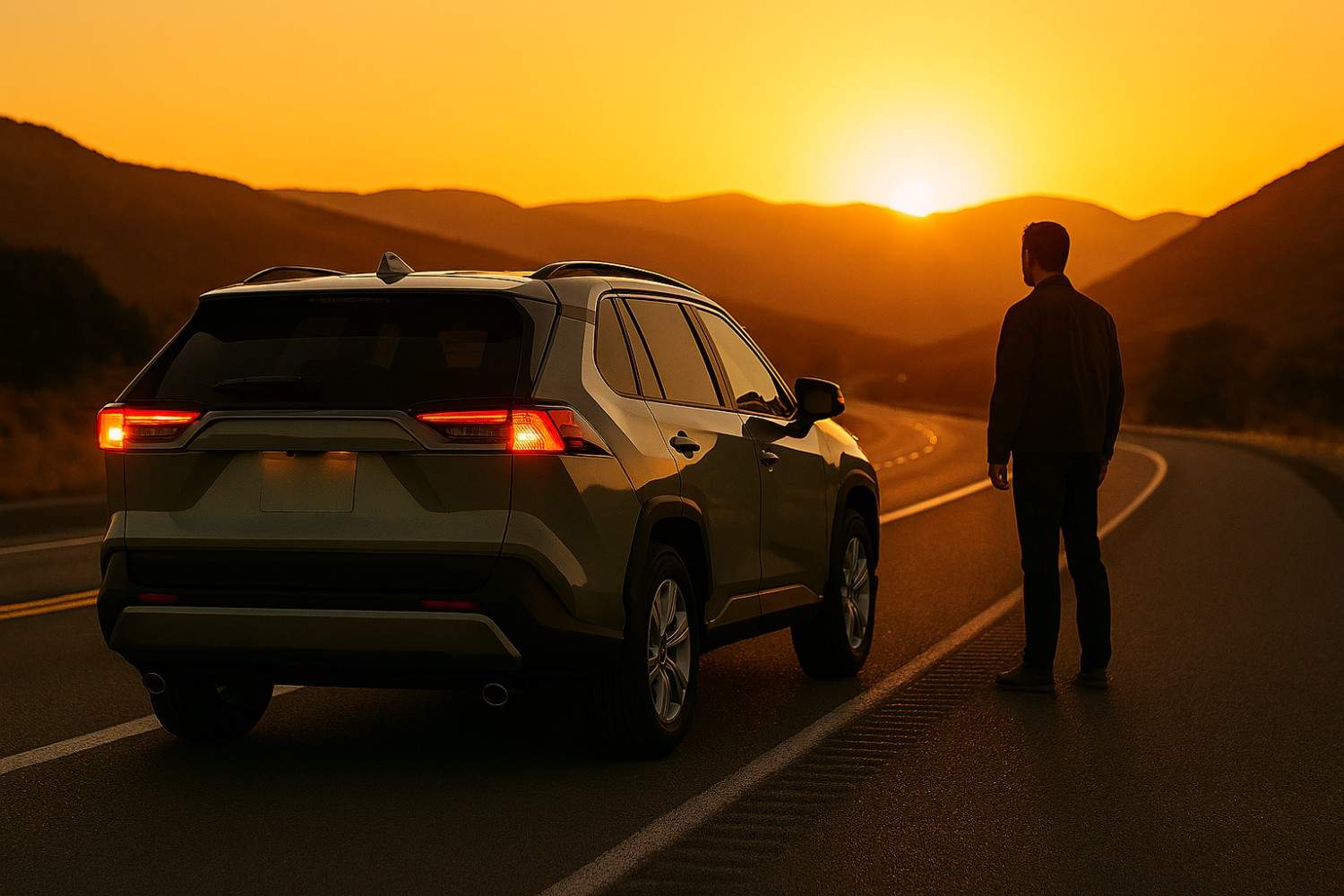
The tow truck driver looked at me, shrugged, and said, “We’ll get you off the highway. After that, it’s on you.” That moment hits differently when you’re 600 miles from home, your phone is at 18%, and your “roadside assistance” plan suddenly feels a lot thinner than you expected.
AAA is one of the most trusted safety nets for U.S. road trips, and in many cases, it earns that reputation. But it is not a full rescue package. There are clear edges to what AAA covers—and once you cross them, you’re the one solving the problem. By the end of this, you’ll know exactly where AAA stops helping, what those gaps look like in real-world 2026 breakdowns, and what you should handle yourself before you even turn the key.
What AAA Actually Covers (And Where It Works Well)
If your battery dies at a trailhead or you lock your keys in the car outside a gas station, AAA is excellent. According to AAA Membership Benefit Terms, services like jump-starts and flat-tire changes are standard across all tiers. However, towing distance is the most common surprise for drivers.
AAA 2026 Benefit Comparison
| Service | Classic (Basic) | Plus | Premier |
| Towing Distance | Up to 7 miles | Up to 100 miles | 1 tow up to 200 miles |
| Emergency Fuel | Delivery free; pay for fuel | Free delivery and fuel | Free delivery and fuel |
| Lockout Service | $60 reimbursement | $100 reimbursement | $150 reimbursement |
| Trip Interruption | Not included | Not included | Up to $1,500 |
In our assessment, the Classic plan is practically useless for long-distance road trips. A 7-mile tow often won’t even reach the next highway exit in rural states like Wyoming or Montana, leaving you to pay significant out-of-pocket per-mile rates.
The Gaps: What AAA Doesn’t Handle
AAA gets you out of immediate danger, but it does not solve the logistics of a disabled vehicle mid-trip. According to the 2026 J.D. Power Vehicle Dependability Study, vehicle problems have reached new highs, with an industry average of 204 problems per 100 vehicles (PP100). This means roadside events are statistically more likely than they were three years ago.
1. Long-distance logistics after the tow
AAA will tow you to the nearest repair shop, but that shop may not be the right one for your vehicle’s specific needs. If you drive a premium brand, J.D. Power reports that problems among premium vehicles have jumped to 217 PP100, largely driven by complex infotainment and software issues. A small-town general garage may not have the diagnostic tools for a 2026 luxury SUV, forcing a second, expensive tow that AAA will not cover.
2. Lodging and travel disruptions
The $1,500 Premier trip interruption benefit sounds substantial until you factor in 2026 costs. With parts shortages often causing multi-day delays, last-minute hotel bookings and car rentals can exceed that cap within 48 hours. AAA will not expedite parts for you; you wait in the same queue as every other customer.
3. The Spare Tire Crisis
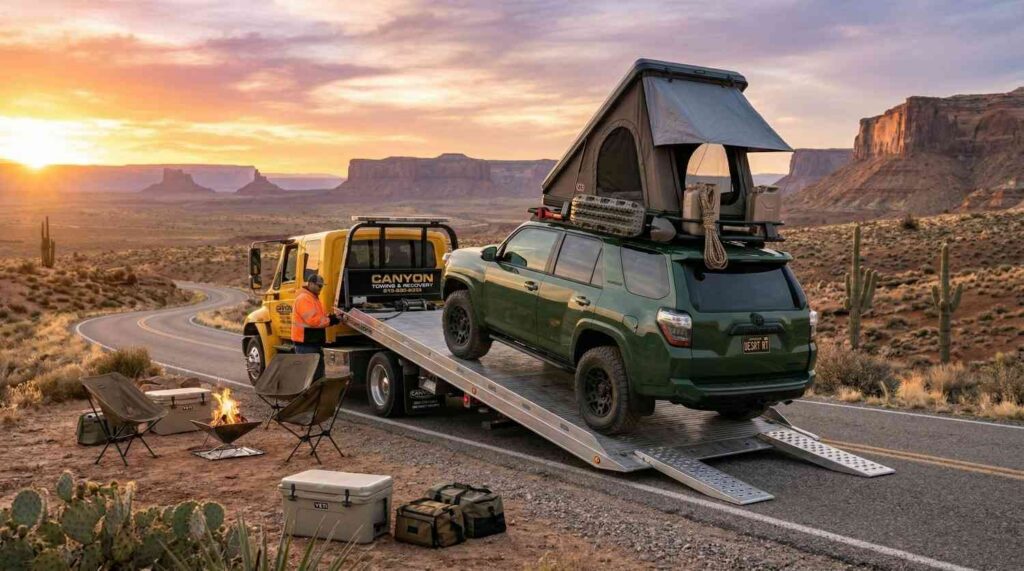
AAA will install your spare tire, but they do not provide one. Many 2026 models, particularly EVs and hybrids, skip spare tires to save weight. If you experience a sidewall tear on a remote road without a spare, AAA’s only option is a tow. If you are already 150 miles into a 200-mile tow limit, you may find yourself stranded with a car that still can’t be driven the next morning.
Real-World 2026 Breakdown Scenarios
| Scenario | AAA Handles | You Handle |
| Dead battery (Campsite) | Jump-start | Battery replacement cost |
| Flat tire (No spare) | Tow to shop | Tire cost + multi-day delay |
| EV out of charge | Tow to nearest charger | Charging time + route rework |
| Major mechanical failure | Tow (distance limited) | Repairs, hotels, and rentals |
According to the 2026 Vaisala Xweather EV Range Report, cold weather or headwinds can reduce EV range by up to 30%, especially during motorway use. While AAA has expanded mobile charging in select cities, rural coverage remains sparse, making your own route planning and energy management critical.
The Stuff You Need to Handle Yourself
You don’t need to prepare for every catastrophe, but a few decisions upfront change the outcome of a breakdown. We explicitly advise against relying solely on AAA for long-haul trips without carrying a portable lithium jump starter. Unlike jumper cables, these work without needing a second vehicle, which is vital if you’re stranded in a low-traffic area.
1. Know your vehicle’s weak points
According to J.D. Power 2026 VDS data, electrified powertrains currently report higher problem rates than gas-powered ones. PHEVs are the most problematic at 281 PP100, while gas vehicles remain the most dependable at 198 PP100. Understanding your specific vehicle’s profile through Edmunds’ True Cost to Own can help you anticipate issues before they leave you on the shoulder.
2. Carry a secondary repair kit
A simple tire plug kit and a portable inflator can resolve many “tow-worthy” flat tires in 15 minutes. This is a key factor in self-reliance; plugging a tire yourself means you don’t have to wait two hours for a tow truck to take you to a shop that might be closed for the weekend.
Conclusion: Layer Your Safety Net
AAA is an excellent first response for dead batteries, lockouts, and simple tows. However, for 2026 road trips, you must have a layered plan. This means budgeting for trip interruptions beyond AAA’s caps and knowing your vehicle’s limits. We recommend upgrading to at least the Plus tier to ensure you have 100 miles of towing breathing room.
Check EPA Fuel Economy Data to monitor your real-world range and use Edmunds’ True Cost to Own to understand your long-term repair risks. Before you leave, verify your specific regional AAA benefits, as these can vary significantly by territory.
References
- AAA 2026 Membership Levels and Benefit Chart
- J.D. Power 2026 U.S. Vehicle Dependability Study Results
- EPA Fuel Economy Data (2026)
- Vaisala Xweather 2026 EV Range Report
- Edmunds’ 2026 True Cost to Own Data
- AAA Premier Membership Features
- AAA Exchange: Electric Vehicle Charging Trends
Disclaimer: The information provided in this article is for educational and informational purposes only. It does not constitute professional advice. Readers should conduct their own research and consult with qualified professionals before making any decisions.