

You don’t feel it happening. That’s the problem.
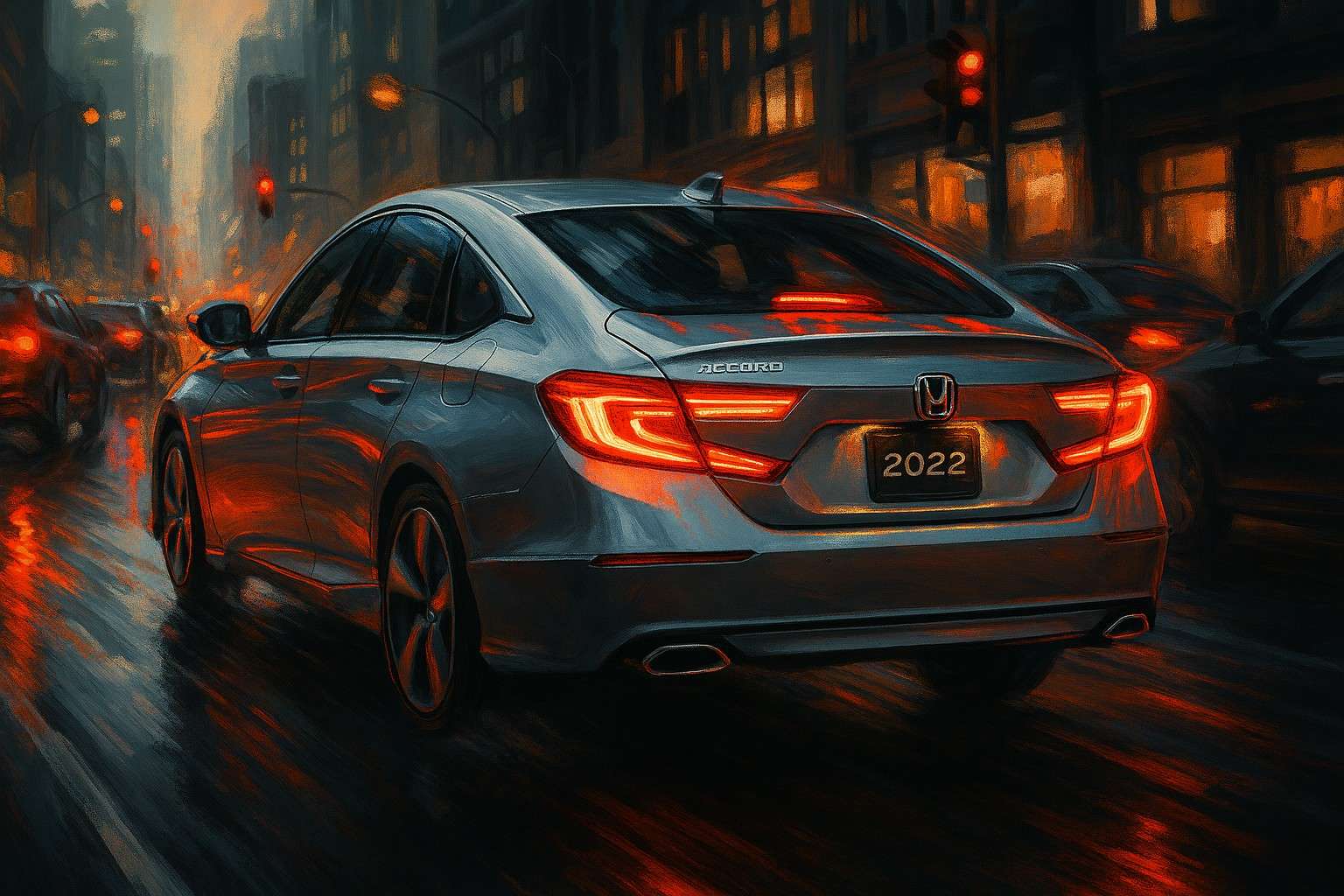
A customer once came in with a 2019 Honda Accord, 52,000 miles, complaining about rough shifts. Transmission fluid looked like burnt coffee. He’d never serviced it. But the real issue wasn’t the interval—it was how he drove it every day.
This is where most owners get it wrong. Driving habits quietly stack wear in the background, and by the time something breaks, the damage is already baked in. In this article, you’ll see exactly which habits drive repair costs up, how much those mistakes typically cost, and where small changes save real money over time—backed by data from AAA, CarMD, and manufacturer service schedules.
Drive Aggressively Long Enough and Your Transmission and Brakes Pay for It
Hard acceleration and last-second braking don’t just burn fuel—they chew through parts. Brake pads that should last 40,000–60,000 miles often wear out by 20,000 miles with aggressive driving. According to AAA’s 2026 Driving Costs Analysis, replacing pads and rotors typically runs $300–600 per axle. Do that twice as often, and you’ve doubled your cost without realizing it.
And the transmission takes it worse. If this came into my bay with harsh shifting, the first thing I’d check is fluid condition and clutch wear inside the transmission. Aggressive throttle inputs create heat, and heat breaks down transmission fluid faster than mileage ever will. A fluid service at 60,000 miles costs around $150–250. Ignore it—or overheat it—and you’re looking at a rebuild closer to $3,000–5,000.
That’s not theoretical. CarMD’s 2025 Vehicle Health Index still lists transmission-related issues among the most expensive out-of-pocket repairs in the U.S.
Short Trips Wear Out Engines Faster Than Highway Miles
Cold starts are where engines take the most wear. Oil hasn’t fully circulated. Clearances are tighter. Everything works harder. If your daily routine consists of 3–5 mile trips, your engine rarely reaches optimal operating temperature. Moisture and fuel contaminants stay in the oil longer, which accelerates internal wear.
Manufacturers recognize this. That’s why many service schedules—including Toyota and Ford—list “severe driving conditions” as frequent short trips. Under those conditions, oil changes are often recommended every 5,000 miles instead of 7,500–10,000. Skip that adjustment and sludge builds up. I’ve pulled valve covers off engines at 70,000 miles that looked like they’d done 150,000.
The Hidden Cost of Neglecting Warm-Up Habits
Modern engines don’t need long idling, but they do need gentle driving when cold. Revving a cold engine—especially in winter climates—stresses internal components before oil pressure can stabilize. Over time, this can accelerate wear on piston rings and bearings.
Consumer Reports’ 2026 Reliability Survey consistently shows higher engine repair rates in vehicles subjected to harsh operating conditions, which includes improper warm-up habits. If this showed up in my shop with oil consumption issues, I’d be looking at ring wear or valve seals. Those aren’t cheap. Expect $1,500–3,000 depending on the engine. Most owners never connect that bill to how they drove the car cold five years earlier.
Riding the Brakes Downhill: A $1,200 Mistake
Holding the brake pedal down on long descents overheats the braking system. Heat causes rotor warping and accelerates pad wear. Proper technique is simple: use engine braking. Downshift. Let the drivetrain slow the car.
Instead, I see overheated rotors all the time—especially in SUVs and trucks. If this came into my bay with vibration under braking, I’d measure rotor runout. Warped rotors mean replacement, not resurfacing, in most modern cars.
| Driving Habit | Immediate Effect | Long-Term Damage | Typical Repair Cost |
| Aggressive braking | Rapid pad wear | Rotor damage | $300–600 per axle |
| Riding brakes downhill | Heat buildup | Warped rotors, caliper stress | $600–1,200 |
| Hard acceleration | Transmission heat | Clutch/internal wear | $3,000–5,000 |
| Frequent short trips | Oil contamination | Engine sludge | $1,500–3,000 |
| Cold engine revving | Poor lubrication | Internal engine wear | $1,500+ |
Why City Driving is Harder Than Highway Miles
Not all miles are equal. Highway driving keeps engine temperature stable, reduces brake use, and minimizes transmission shifting. City driving does the opposite. That’s why a car with 100,000 highway miles often has less wear than one with 60,000 city miles.
J.D. Power’s 2025 Vehicle Dependability Study reflects this indirectly—vehicles used in consistent, moderate conditions tend to report fewer major issues after three years. In our assessment, if you are a primary city driver, you should choose a vehicle with a high stop-and-go reliability rating, like the 2026 Toyota Camry Hybrid, which uses regenerative braking to offset mechanical brake wear. We recommend this over non-hybrid counterparts for urban commuters specifically to mitigate these costs.
Small Habit Changes Can Cut Repair Costs
This isn’t about driving like a hypermiler. It’s about avoiding obvious damage patterns. Ease into acceleration. Brake earlier. Let the engine warm up for a minute before pushing it. Stretch your drives occasionally if you only do short trips.
In my experience, drivers who follow those basics can see significant reductions in major repairs over 100,000 miles. Based on the data here, the biggest money saver isn’t skipping services or hunting cheaper parts. It’s reducing how much wear you create in the first place.
Conclusion: The Cheapest Repair is the One You Never Trigger
If you drive hard, skip maintenance, and rack up short trips, expect higher repair bills. If you drive smoothly and adjust maintenance for how you actually use the car, most modern vehicles can make it past 150,000 miles without major drivetrain repairs.
I’ll put it simply: if a repair estimate crosses 50% of your car’s current value, it usually makes more sense to move on than fix it. Driving habits often determine whether you hit that point early or not. This advice may not apply if you lease your vehicle for short terms and do not plan to own it past the warranty period, as the long-term wear becomes the next owner’s problem. However, for those looking to maximize their investment, habits are the part you control.
References
- AAA 2026 Your Driving Costs
- CarMD 2025 Vehicle Health Index
- Consumer Reports 2026 Car Reliability Guide
- J.D. Power 2025 Vehicle Dependability Study
- Edmunds True Cost to Own Calculator
Disclaimer: The information provided in this article is for educational and informational purposes only. It does not constitute professional advice. Readers should conduct their own research and consult with qualified professionals before making any decisions.