

Subaru sells both the Forester and the Crosstrek to essentially the same buyer someone who wants all-wheel drive, outdoor capability, and a practical hatchback body without spending luxury money. The question is whether the buyer who thinks they want a Crosstrek actually needs a Forester, or whether the buyer pricing a Forester is overpaying for space they won’t use. These are not interchangeable vehicles, and the choice matters more than Subaru’s overlapping marketing suggests.
The 2026 Forester starts at roughly $31,000 and the 2026 Crosstrek starts at about $25,000. That $6,000 spread is the headline, but it’s not the whole story. By the time you’ve optioned both vehicles to similar feature levels, the gap narrows — and the differences in size, capability, and powertrain performance are what should actually drive the decision.
Size and Space: The Most Practical Difference
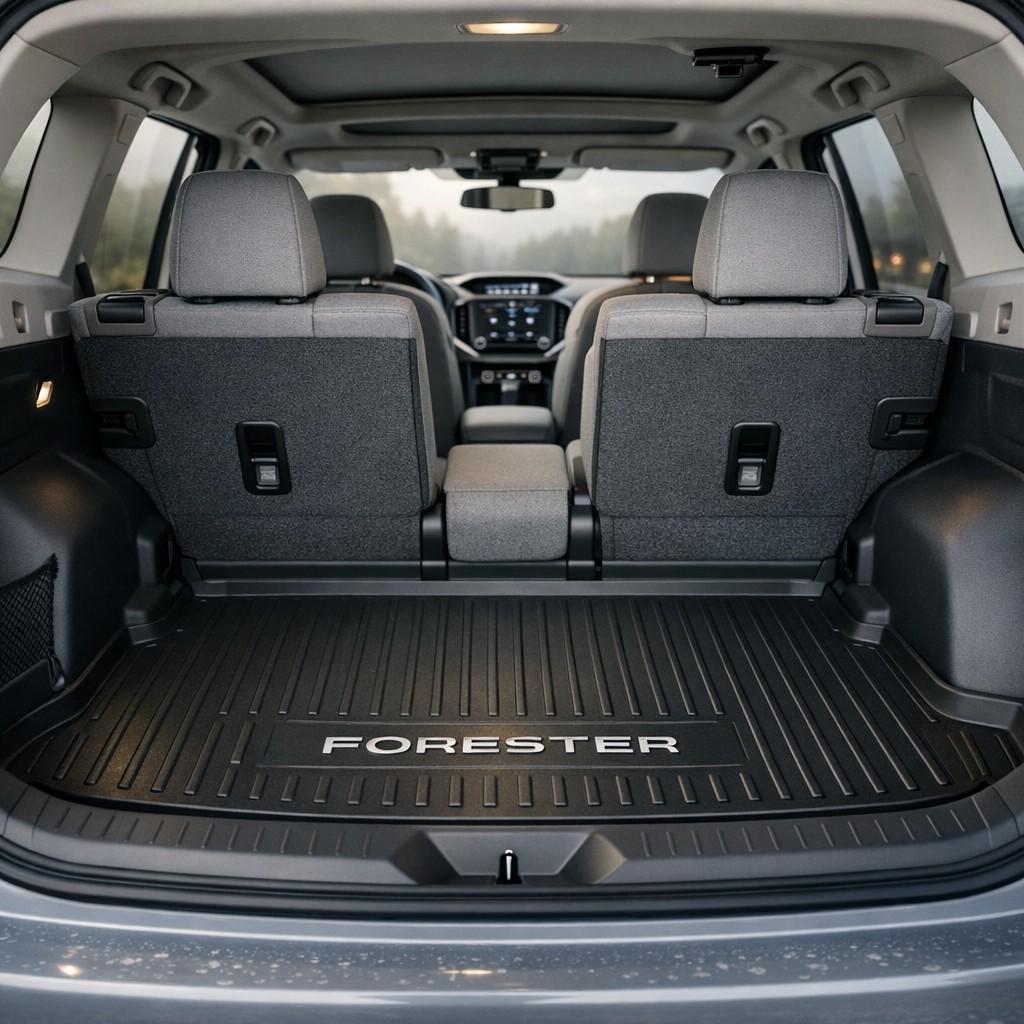
The Forester is a midsize SUV. The Crosstrek is a compact. That distinction matters the moment you try to load both of them for a camping weekend. The Forester offers 28.9 cubic feet of cargo space behind the rear seats; the Crosstrek provides 20.8 cubic feet. Fold the rear seats and the Forester reaches 74.2 cubic feet versus the Crosstrek’s 55.3. These aren’t marginal differences they represent a vehicle that can fit a 4×8 piece of plywood versus one that can’t.
Rear passenger space follows the same pattern. The Forester gives rear passengers 39.4 inches of legroom; the Crosstrek offers 35.9 inches. Four adults on a road trip will notice. Two adults and a dog won’t.
The Forester also sits higher — 8.7 inches of ground clearance versus 8.7 inches in the Crosstrek Sport (standard Crosstrek gets 8.7 inches as well, actually matching the Forester here). Both vehicles use Subaru’s Symmetrical All-Wheel Drive system as standard equipment, which is a meaningful baseline advantage over most competitors in this price range.
Powertrain: The Forester Hybrid Changes the Math
Both vehicles run naturally-aspirated 2.0-liter Subaru Boxer engines in their base forms. The Crosstrek produces 152 horsepower; the Forester produces 182. The practical difference is felt on highway on-ramps and mountain passes the Crosstrek’s lighter weight compensates somewhat, but on sustained grades, the Forester’s extra displacement is perceptible as a smoother, less-strained experience.
The 2026 Forester adds a Hybrid model this generation. The Forester Hybrid’s powertrain pairs the 2.0-liter with an electric assist system for improved combined fuel economy EPA data will confirm final ratings when published, but Subaru projects numbers in the 33–36 mpg combined range. That positions it directly against Toyota’s RAV4 Hybrid and makes it a serious efficiency argument for buyers who do a lot of highway miles.
The Crosstrek offers a standard powertrain only for 2026. Its EPA-rated fuel economy of 29 mpg city and 34 mpg highway (combined 31 mpg) is solid, but the Forester Hybrid, when confirmed, should surpass it in combined driving. For the non-hybrid Forester, the EPA rates it at 26 mpg city and 33 mpg highway, putting combined economy at about 29 mpg essentially tied with the Crosstrek.
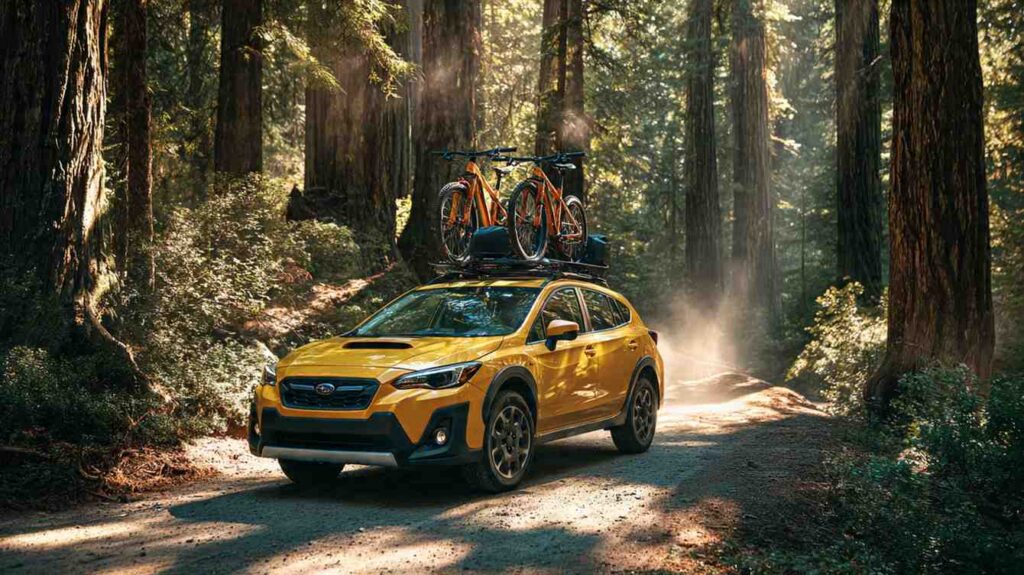
2026 Forester vs. Crosstrek: Side-by-Side
| Category | 2026 Subaru Forester | 2026 Subaru Crosstrek | Best For |
|---|---|---|---|
| Base MSRP | ~$30,995 | ~$25,195 | Crosstrek (value entry) |
| Engine | 2.5L Boxer, 182 hp | 2.0L Boxer, 152 hp | Forester (power) |
| EPA Combined MPG | 29 mpg (base) | 31 mpg | Crosstrek (base) |
| Cargo (rear seats up) | 28.9 cu ft | 20.8 cu ft | Forester |
| Rear Legroom | 39.4 in | 35.9 in | Forester |
| Ground Clearance | 8.7 in | 8.7 in | Even |
| Standard AWD | Yes (Symmetrical) | Yes (Symmetrical) | Even |
| IIHS Safety Rating | Top Safety Pick+ | Top Safety Pick+ | Even |
| Hybrid Option | Yes (Forester Hybrid) | No | Forester |
| Best For | Families, cargo haulers | Couples, urban adventurers | — |
MSRP approximate. MPG per EPA fueleconomy.gov. Verify Forester Hybrid ratings when finalized.
The Driving Experience: Subtle but Real
The Crosstrek is the more fun vehicle to drive, and that’s not a close call. Its lighter body (roughly 400 pounds less than the Forester) and lower center of gravity make it feel more nimble in corners, quicker to change direction on mountain switchbacks, and more engaging in the kind of twisty roads Pacific Northwest Subaru buyers know well. The steering is sharper. The body roll is less. If the experience of driving matters to you, the Crosstrek is the more satisfying machine in that specific way.
The Forester is the more composed vehicle. Its ride quality on broken pavement — the kind of forest service road, gravel track, or potholed suburban street that Subaru buyers actually navigate is more settled than the Crosstrek’s. The suspension travels more intentionally, absorbs irregularities with less bounce, and communicates less harshness through the seat and steering wheel over sustained rough-road use. The Forester feels like it was engineered for endurance; the Crosstrek for agility.
Both vehicles have the same standard driver assistance suite: EyeSight with automatic emergency braking, adaptive cruise control, and lane-keeping assist. Subaru’s EyeSight system has been rated favorably by IIHS, and both vehicles carry Top Safety Pick+ designations for 2026, per IIHS vehicle ratings. In our assessment, EyeSight is one of the most reliably effective driver assistance systems in this price range it’s a genuine reason to choose a Subaru over some competitors.
Who Should NOT Buy This
The Forester is the wrong vehicle for buyers who park in tight urban garages, who live alone or drive solo the majority of the time, or who prioritize driving engagement over practicality. It’s more capable, but its additional size and weight carry a real cost in daily maneuverability. If your trail use is light and your cargo needs are modest, you’re paying for capability you won’t use.
The Crosstrek is the wrong vehicle for families with two kids and a dog, for buyers who regularly haul large gear, or for anyone whose rear passengers include adults who expect comfortable legroom on trips over 90 minutes. Its powertrain also struggles noticeably on sustained grades if you live in mountain terrain or regularly drive steep grades, the Forester’s larger engine is not a luxury, it’s a practical necessity.
The Forester Hybrid is specifically the wrong vehicle for buyers who rarely drive above 25 mph in heavy stop-and-go urban commuting, hybrid systems from Subaru historically deliver lower real-world gains than Toyota’s system. Based on the efficiency data available, if your commute is urban gridlock, the RAV4 Hybrid may actually recoup its cost difference faster.
The Verdict
For buyers who need genuine family utility cargo space, rear passenger room, and the option of hybrid efficiency — the 2026 Subaru Forester wins without much argument. The Crosstrek’s lower price and more engaging driving character are real advantages, but they serve a different buyer: the couple or solo driver who uses the vehicle for outdoor weekend adventures more than family logistics.
Buy the Crosstrek if you’re single or a couple, if urban driving is your primary context, or if the $6,000 price difference genuinely matters to your budget. Buy the Forester if you need to carry people and gear regularly and want a vehicle that won’t feel inadequate three years from now. Cross-check both vehicles’ trim-level feature content on Edmunds before visiting a dealer, as Subaru’s feature distribution across trims can create meaningful price-per-feature differences that aren’t obvious at the base MSRP level.
References
Disclaimer: The information provided in this article is for educational and informational purposes only. It does not constitute professional advice. Readers should conduct their own research and consult with qualified professionals before making any decisions.