

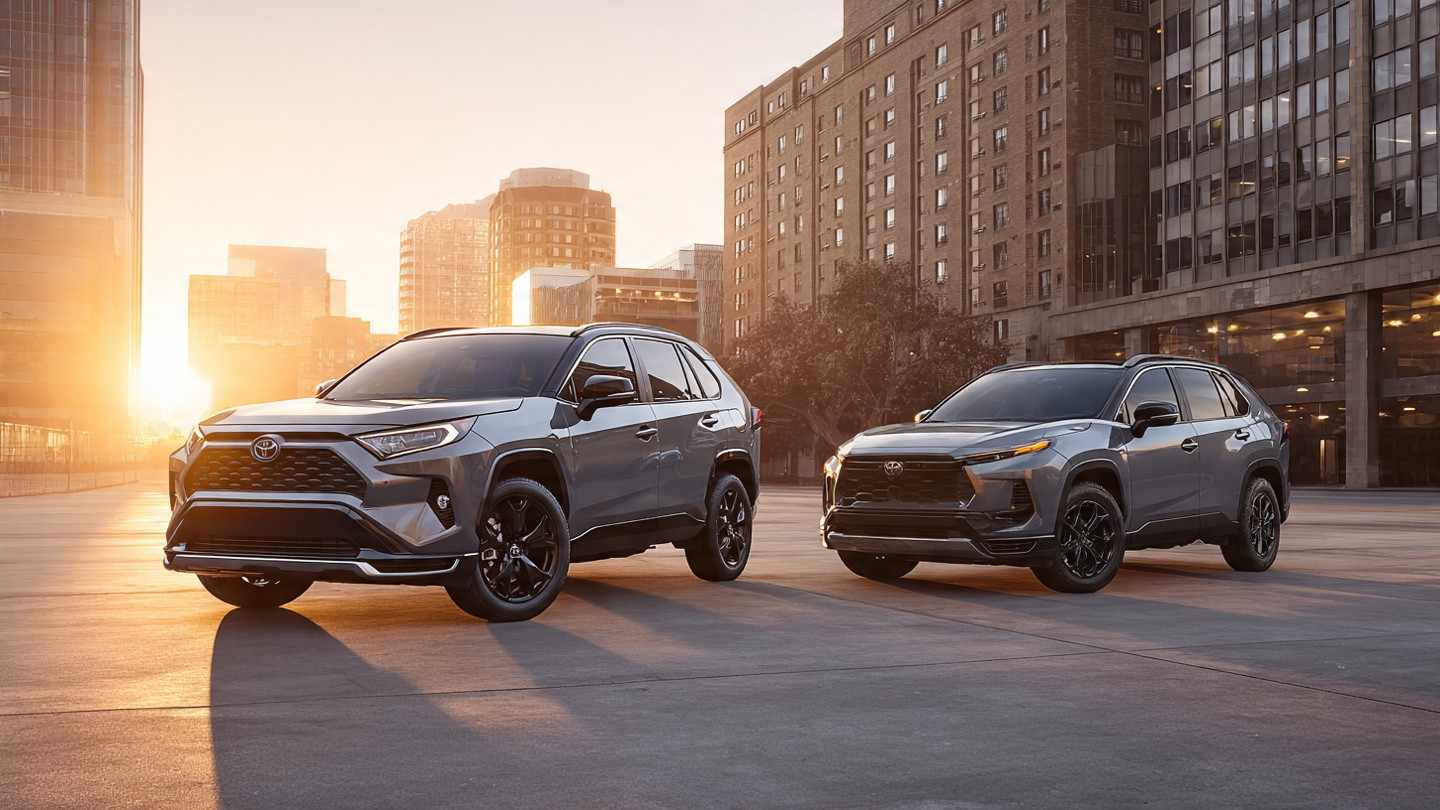
The 2026 Honda CR-V hybrid returns an EPA-estimated 42 mpg combined and on the same stretch of California interstate, the RAV4 Hybrid trails by nearly 5 miles per gallon. That single number might settle the fuel economy debate. But fuel economy is only part of the story, and it’s not even the most interesting part.
These two compact SUVs have traded the segment lead back and forth for years. The RAV4 outsells the CR-V in raw volume, but the CR-V has quietly built a case for itself on refinement and interior space per dollar. For the 2026 model year, both vehicles received meaningful updates, which makes this an especially good moment to put them side by side and give a real answer on which one earns your money.
By the end of this comparison, you’ll know which vehicle wins on driving dynamics, cargo space, safety, and long-term value with IIHS and NHTSA ratings, EPA fuel figures, and Edmunds pricing data to back it up.
The Drive: Where Each SUV Tells You What It Is
Turn into a tight off-ramp at highway speed and the RAV4’s steering communicates something the CR-V doesn’t quite match: a slight but genuine resistance as the wheel loads up, a firm feedback through the rim that tells you the front end is working. It’s not sporty in any meaningful sense this is a family SUV, not a GTI but the Toyota keeps you connected to the road in a way that feels deliberate rather than accidental.
The CR-V, by contrast, has lighter steering that requires almost no effort to turn. In a parking garage or a tight urban block, that’s genuinely pleasant. At highway speeds, it makes the car feel somewhat less planted, particularly in crosswinds. Honda has tuned the CR-V for comfort and ease, and the trade-off is that it occasionally feels like the car is suggesting a direction rather than committing to one.
The RAV4 Hybrid’s standard electronically controlled all-wheel drive adds another layer to this story. You feel the subtle torque shuffle across axles when pulling onto a wet highway ramp not a jolt, but a quiet confidence that the rear wheels are doing their share of the work. The CR-V Hybrid’s AWD system delivers similar traction numbers, but the execution is less tactile, more invisible.
On pure driving character, the RAV4 edges the CR-V not by a wide margin, but by a consistent one across different road surfaces and conditions.
Interior, Cargo, and the Part That Actually Matters Daily
To be fair, the CR-V makes a strong case the moment you open the back door. Honda’s rear seat slides and reclines, a feature the RAV4 still doesn’t offer at any trim level. With two car seats or three adults across the back bench, those extra inches of legroom are real, and the recline functionality turns a 90-minute trip into something that doesn’t require an apology to your passengers.
Cargo space behind the rear seat is where the CR-V genuinely wins: 36.3 cubic feet in the 2026 model versus the RAV4’s 37.6 effectively a draw on paper, but the CR-V’s load floor sits lower, which makes loading groceries and strollers noticeably less awkward. The under-floor storage compartment in the CR-V Hybrid is a genuine daily-life feature, not a novelty.
The RAV4’s interior quality has improved, but the CR-V’s cabin still feels more thoughtfully assembled. Touch the soft-wrap portions of the CR-V’s door panels and there’s a solid, layered feel the kind of surface that doesn’t creak or flex on rough pavement. Some RAV4 interior panels, particularly in the lower XLE trim, have a hollow quality to them when pressed. Not a deal-breaker, but it registers.
The CR-V wins the interior round, and that matters because most owners spend 95 percent of their time in parking lots and carpool lines, not on interesting roads.
Fuel Economy, Pricing, and the Numbers That Frame the Decision
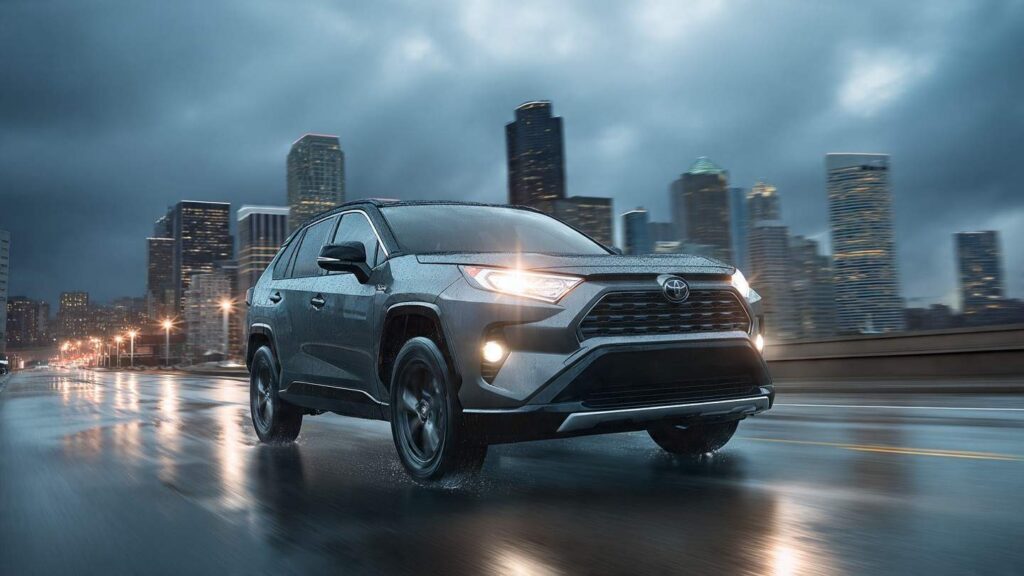
Both vehicles offer hybrid and non-hybrid versions, and in 2026 the hybrid variants are priced close enough to the gas-only models that the non-hybrid versions are increasingly hard to justify. The EPA figures for the hybrids are what most buyers should be comparing.
| Trim | Starting MSRP | EPA Combined (Hybrid) | Cargo (Behind Rear) | AWD Standard? | Verdict |
|---|---|---|---|---|---|
| RAV4 LE (gas) | ~$30,900 | 30 mpg | 37.6 cu ft | No (FWD base) | Budget entry |
| RAV4 Hybrid XLE | ~$34,800 | 38 mpg | 37.6 cu ft | Yes | Best value RAV4 |
| CR-V Sport (gas) | ~$31,200 | 32 mpg | 36.3 cu ft | No (FWD base) | Budget entry |
| CR-V Sport Hybrid | ~$35,100 | 42 mpg | 36.3 cu ft | Yes | Best overall efficiency |
| CR-V EX-L Hybrid | ~$38,400 | 42 mpg | 36.3 cu ft | Yes | Premium interior play |
Pricing based on Edmunds data for the 2026 model year; MSRP figures are approximate and vary by region.
The CR-V Hybrid’s 42 mpg combined is a meaningful lead over the RAV4 Hybrid’s 38 mpg, according to EPA estimates on fueleconomy.gov. Over 15,000 miles of driving at current national average gas prices, that difference translates to roughly $150–$200 in annual fuel savings. Not life-changing, but consistent year over year.
On safety, both vehicles earned IIHS Top Safety Pick+ designations for 2026, according to IIHS ratings. NHTSA awarded both a 5-star overall crash test rating. In my assessment, the safety story is essentially a tie, which removes it as a differentiator and sends the decision back to driving feel and interior quality.
Who Should NOT Buy This
If you do significant highway driving and want to maximize fuel economy, the CR-V Hybrid is the stronger choice — the RAV4 Hybrid’s efficiency advantage disappears at speed, and the CR-V’s superior highway mpg compounds over high-mileage use. Don’t buy the RAV4 primarily for economy.
If you regularly carry rear passengers — older teenagers, adult family members, anyone who complains about legroom — the CR-V’s sliding rear seat makes a real difference. A 6-foot adult will fit in the RAV4’s rear seat without dramatic complaint, but they’ll fit in the CR-V’s rear seat without any complaint at all. If that matters to your household, the RAV4 is the wrong call.
And if you want off-road capability beyond light gravel and snow-covered driveways, neither of these vehicles is your answer. The RAV4 TRD Off-Road trim exists, but it costs significantly more than the hybrid variants and is a different purchase category. For true trail use, look at the RAV4 Adventure or consider a different segment entirely.
The Verdict
The CR-V wins this comparison, and here’s the honest reasoning: its combination of the best-in-segment fuel economy, superior rear-seat legroom, and more polished interior quality adds up to more practical value for more buyers in more situations. The fuel economy gap alone is hard to argue against, and the rear-seat comfort advantage is real every single day.
The RAV4 Hybrid is the right choice for buyers who do a meaningful amount of off-road or light trail driving, who genuinely value AWD traction feel in winter conditions, or who prefer Toyota’s longer reliability track record in hybrid systems — Toyota has been refining their two-motor hybrid setup since 2005, and it shows in long-term owner satisfaction data.
But for the typical American household using a compact SUV as a primary family vehicle — school runs, weekend trips, occasional highway drives — the 2026 CR-V Sport Hybrid is the more complete package. Based on the data covered here, it’s the stronger buy for the majority of buyers.
One honest caveat: if you live in an area with genuinely harsh winters and regularly navigate unplowed roads, the RAV4 Hybrid’s more tactile AWD system may matter more than fuel economy numbers suggest. The calculus shifts in those conditions. Check Edmunds for regional pricing before you go to a dealer, and verify both vehicles’ IIHS headlight ratings by trim — those scores vary more than buyers expect.
References
- IIHS Vehicle Safety Ratings
- NHTSA Safety Ratings
- EPA Fuel Economy Data
- Edmunds — 2026 Honda CR-V
- Toyota Official Site
- Honda Official Site
Disclaimer: The information provided in this article is for educational and informational purposes only. It does not constitute professional advice. Readers should conduct their own research and consult with qualified professionals before making any decisions.