

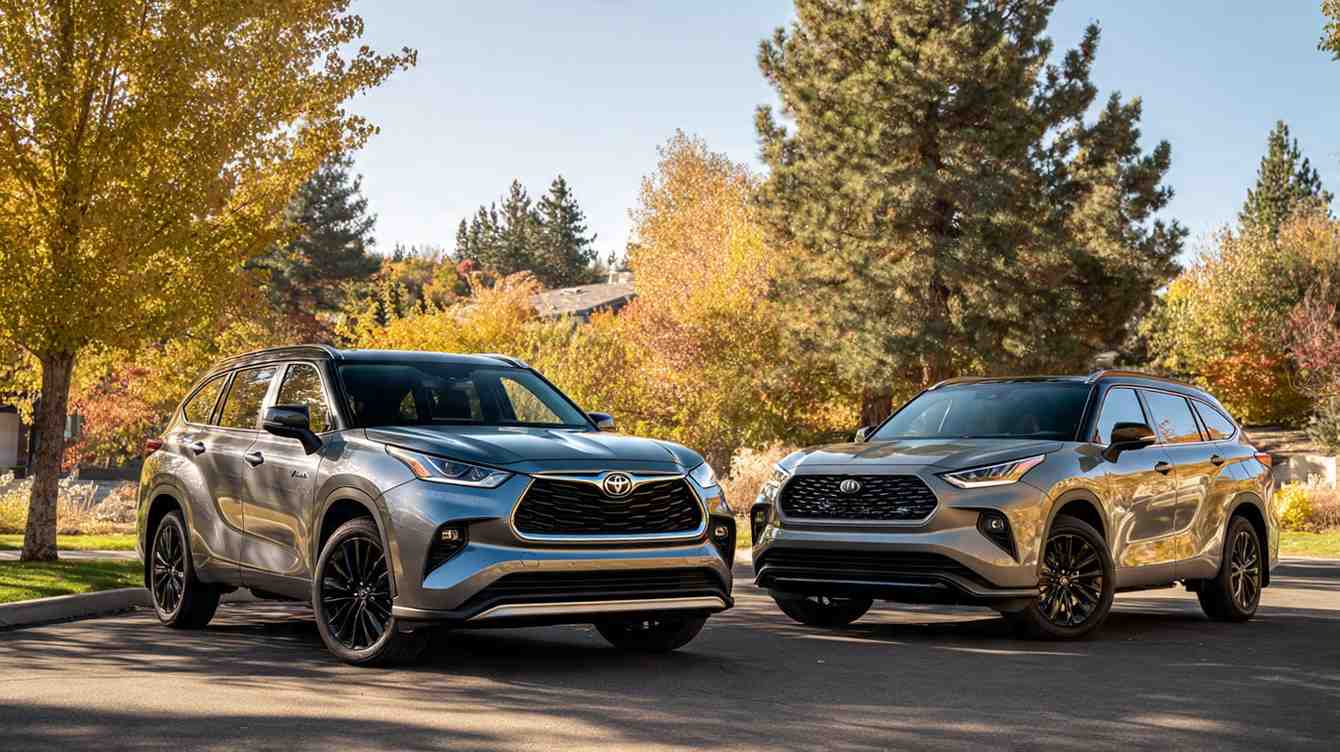
The 2026 Kia Sorento Hybrid starts at roughly $34,000 and returns an EPA-estimated 39 mpg combined. The 2026 Toyota Highlander Hybrid starts at roughly $42,000 and returns 36 mpg combined. For a family choosing between them, that’s an $8,000 price gap running in the opposite direction of the fuel economy advantage which means the Kia wins on every financial metric out of the gate. And yet the Highlander outsells the Sorento in this segment, year after year. There’s a reason for that, and it deserves closer examination than the spec sheet offers.
This comparison puts both vehicles through the criteria that matter most to family buyers in 2026: interior space and usability, driving character, reliability history, safety ratings, and long-term ownership practicality. Both vehicles use hybrid powertrains, seat up to seven or eight passengers, and occupy overlapping price territory by the time options are factored in. By the end, one vehicle wins and the answer depends less on preference than most reviews admit.
Interior Space: Where These Vehicles Actually Differ
The Highlander is a larger vehicle. Full stop. It seats eight in the base configuration and stretches to 194.9 inches in overall length. The Sorento Hybrid tops out at 186.2 inches and offers an optional seven-seat configuration with a third row that is, in practice, a short-trip accommodation for smaller passengers. A grown adult in the Sorento’s third row on a two-hour drive will arrive less comfortable than one seated in the Highlander’s third row the legroom numbers confirm it: 27.7 inches in the Sorento versus 27.9 in the Highlander, but the Highlander’s entry is easier and the bench wider.
Cargo capacity behind the third row is 13.8 cubic feet in the Sorento Hybrid versus 16.0 in the Highlander. That gap closes considerably when the third rows fold the Sorento delivers 38.0 cubic feet behind the second row while the Highlander offers 48.4. For families who actually use the cargo area, the Highlander’s size advantage is real.
The Sorento, though, is not a small vehicle and for families who rarely use seven-seat mode, its interior quality may compensate for what it lacks in volume. Kia’s cabin materials, especially on the EX trim and above, have reached a level of fit and finish that rivals vehicles priced $10,000 higher. The stitching on the instrument panel, the responsiveness of the 12.3-inch infotainment display, and the solidity of the switchgear are all genuinely impressive.
Driving Feel: The Road Test Answer
This is where the Highlander’s decade of hybrid refinement becomes tactile. On the highway, the Highlander’s powertrain — a 2.5-liter four-cylinder paired with two electric motors for a combined 243 horsepower — operates with a smoothness that’s hard to articulate but easy to notice. Transitions between electric and gasoline power are nearly silent. The ride absorbs pavement texture with a mature, settled quality that feels like a vehicle tuned for families, not focus groups.
The Sorento Hybrid runs a 1.6-liter turbocharged four-cylinder paired with a 44-kilowatt electric motor for a combined 227 horsepower. It doesn’t feel underpowered in daily driving, but it does feel busier. The engine’s presence is more audible under hard acceleration; the transmission occasionally hunts between gears on inclines, and the ride quality while good lacks the Highlander’s effortless composure. On smooth suburban roads, you won’t mind. On rougher highways at speed, the difference accumulates.
Steering in both vehicles is light and easy to manage these are family haulers, not drivers’ cars, and neither pretends otherwise. Based on the driving characteristics here, the Kia feels slightly more nimble in parking lot maneuvers while the Toyota feels more planted at freeway speeds.
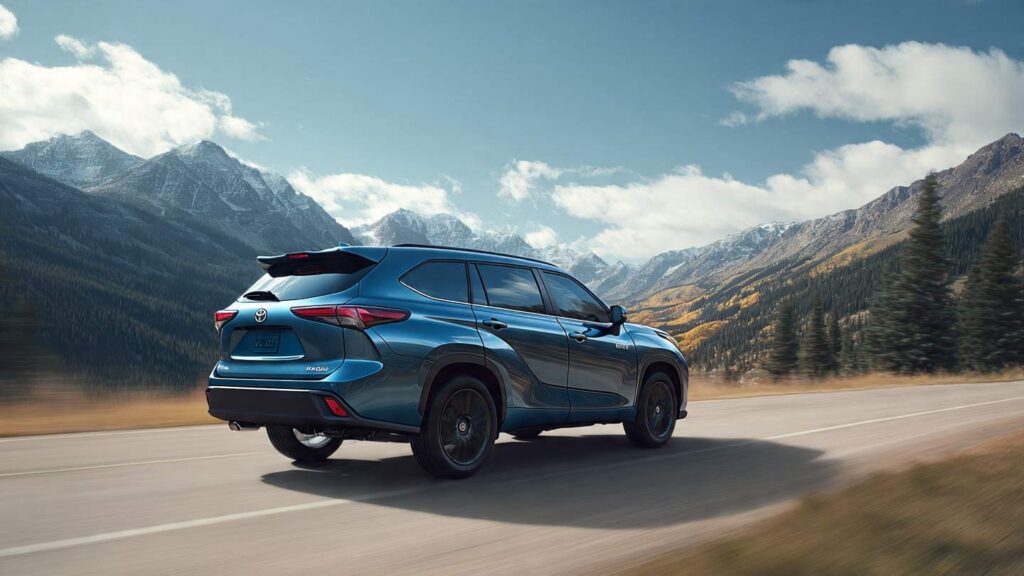
2026 Highlander Hybrid vs. Sorento Hybrid: Head-to-Head
| Category | 2026 Toyota Highlander Hybrid | 2026 Kia Sorento Hybrid | Best For |
|---|---|---|---|
| Base MSRP | ~$42,320 | ~$34,090 | Sorento (value) |
| EPA Combined MPG | 36 mpg | 39 mpg | Sorento (efficiency) |
| Combined System Power | 243 hp | 227 hp | Highlander |
| Seating Capacity | 8 | 7 (optional) | Highlander |
| Cargo (3rd row folded) | 48.4 cu ft | 38.0 cu ft | Highlander |
| Third-Row Legroom | 27.9 in | 27.7 in | Highlander (marginally) |
| IIHS Safety Rating | Top Safety Pick+ | Top Safety Pick+ | Even |
| Infotainment Screen | 8-in standard / 12.3 opt. | 12.3-in standard | Sorento |
| Warranty (Powertrain) | 60 months / 60,000 miles | 120 months / 100,000 miles | Sorento (advantage) |
| Best For | Large families, long hauls | Smaller families, value buyers | — |
MSRP and specs approximate. MPG per EPA fueleconomy.gov. Verify current trim availability.
Reliability and Warranty: One Number Changes the Calculation
Toyota’s reliability record in the hybrid segment is unmatched. The Highlander Hybrid has been on sale since 2005, and the current platform has accumulated years of real-world data. Consumer Reports and J.D. Power surveys consistently place Toyota hybrids among the most dependable vehicles in their class. For buyers who plan to drive past 150,000 miles, that track record is worth paying for.
Kia counters with its industry-leading 10-year, 100,000-mile powertrain warranty the longest standard powertrain coverage in this segment. That warranty is transferable to original owners and provides meaningful protection against the unknown. If Kia’s reliability reputation still triggers hesitation, the warranty is essentially Kia’s answer to the objection.
In our assessment, the Kia warranty is a genuine differentiator, not marketing language. For buyers who are uncertain about long-term hybrid reliability from a non-Toyota brand, the 10-year powertrain coverage represents real financial protection.
Safety Ratings: A Tie With Context
To their credit, both vehicles have taken safety seriously and the ratings show it. Both earned IIHS Top Safety Pick+ designations for 2026, according to IIHS vehicle ratings. Both carry strong NHTSA scores. Standard safety equipment is comprehensive in both: automatic emergency braking, blind-spot monitoring, lane-departure warning, and rear cross-traffic alert all come standard at base trim levels.
One area where the Kia pulls ahead: the standard inclusion of a 12.3-inch infotainment display and an 12.3-inch digital cluster across more trim levels, which reduces the likelihood that buyers choose lower trims and miss key technology.
Who Should NOT Buy This
The Highlander Hybrid is the wrong vehicle for buyers working with a budget under $40,000, for families who prioritize fuel economy above interior volume, or for anyone who drives primarily in urban stop-and-go conditions where the Kia’s slightly higher combined rating provides more benefit. If your family rarely fills seven seats and your commute is under 30 miles each way, the Highlander’s size premium doesn’t pay off.
The Sorento Hybrid is the wrong vehicle for families who genuinely use a third row regularly, for buyers who prioritize a proven long-term reliability record over warranty coverage, or for those who routinely tow the Sorento’s 3,500-pound tow rating versus the Highlander’s 3,500 pounds makes them equal on paper, but the Highlander’s larger body and more powerful drivetrain handle towing with more composure.
The Verdict
For most American families, the 2026 Kia Sorento Hybrid is the smarter purchase: better fuel economy, a lower starting price, comparable safety ratings, and an industry-leading warranty that covers the biggest long-term risk. Unless you specifically need eight-seat capacity or plan to tow regularly, the $8,000 price gap at base trim does not buy enough additional capability to justify itself.
Buy the Highlander Hybrid if you need to seat eight passengers reliably, plan to keep the vehicle for 200,000 miles, or regularly use the third row for adults. Its larger cargo space, smoother powertrain behavior, and Toyota’s deep reliability record are worth the premium for the right family. Before buying either vehicle, cross-reference current owner data on Edmunds and verify local hybrid inventory both vehicles can face regional trim availability constraints.
References
Disclaimer: The information provided in this article is for educational and informational purposes only. It does not constitute professional advice. Readers should conduct their own research and consult with qualified professionals before making any decisions.