

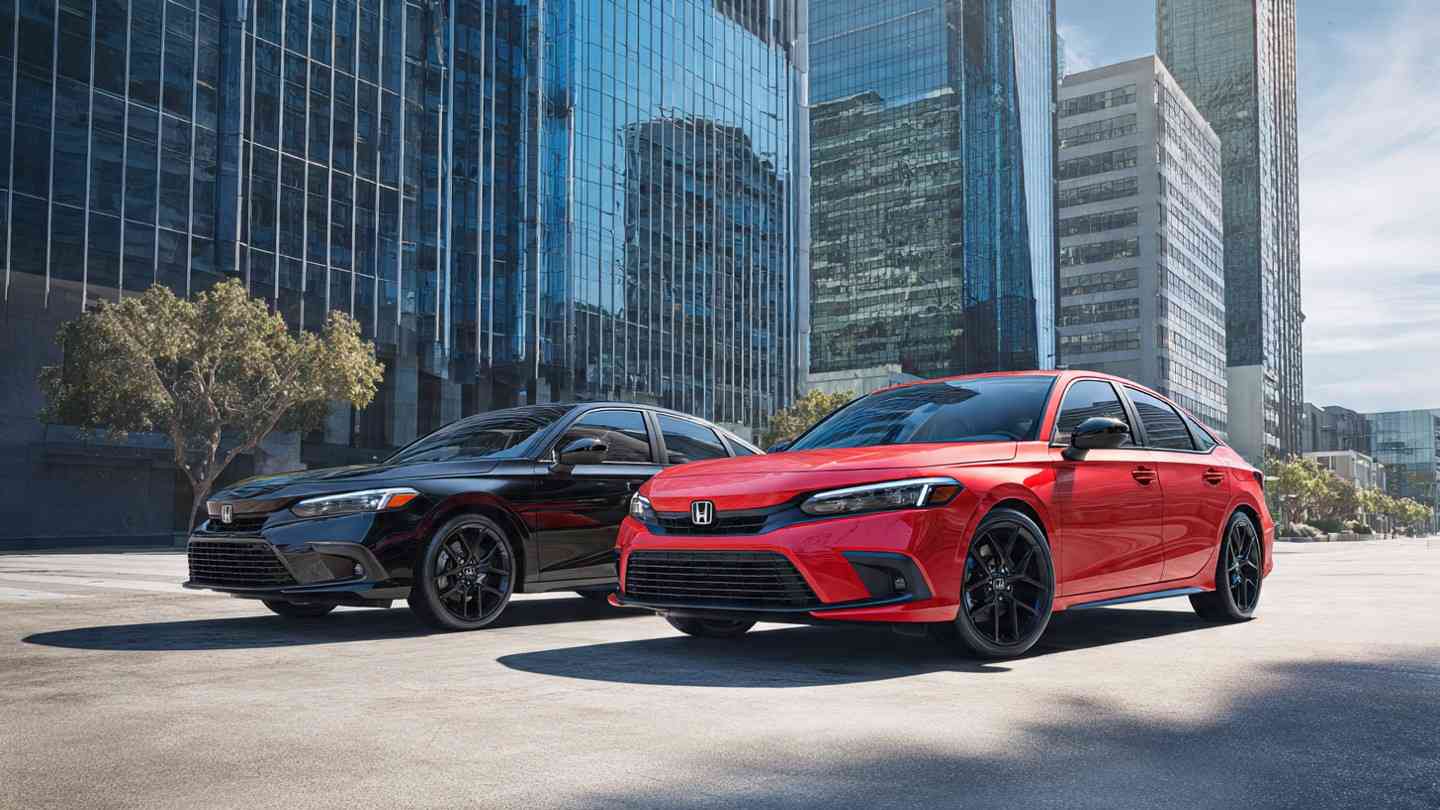
The 2026 Honda Civic Sport starts at approximately $26,000 and the 2026 Toyota Corolla SE starts at approximately $23,400 a $2,600 gap that sounds straightforward until you compare what each price buys. The Civic’s standard Sport trim includes a 9-inch touchscreen, wireless Apple CarPlay, heated front seats, and a 6-speaker audio system. The Corolla SE matches wireless CarPlay and adds a 7-inch screen but no heated seats at the base SE. The price difference is real. So is the content difference.
This rivalry has defined the compact car segment for four decades. Both vehicles are highly reliable, well-specced for their price points, and legitimately easy to recommend. The honest question is which one is the better fit for which buyer, and the answer is more specific than “They’re basically the same.”
By the end of this comparison, you’ll have concrete guidance on driving character, interior quality, hybrid versus non-hybrid value, safety ratings from IIHS and NHTSA, and a clear winner for distinct buyer profiles.
The Drive: Where the Civic Makes Its Case Loudest
Merge onto a highway in the Civic Sport and the steering immediately communicates something the Corolla’s system doesn’t: a light, direct connection to the front wheels that makes the car feel alert and responsive. The resistance through the wheel is modest but consistent, and lane changes require small, deliberate inputs the Civic responds to them cleanly without feeling nervous or requiring correction. At 75 mph, the cabin is impressively quiet for a car at this price point, and the road noise isolation has genuinely improved over the previous generation.
The Corolla is softer in its driving character, and deliberately so. Toyota tuned the Corolla for comfort and predictability, and both qualities are present. The steering is lighter than the Civic’s, with less feedback through the wheel corner entry feels managed and smooth rather than engaging. Drivers who don’t care about steering feel will never notice or miss what the Corolla doesn’t offer. Drivers who do will find the Civic more satisfying almost immediately.
The Civic’s 158-horsepower 2.0-liter four-cylinder has a rev-happy quality to it that makes driving with the transmission in manual paddle mode briefly fun before you remember it’s a commuter car. The Corolla’s 169-horsepower 2.0-liter makes more peak power but delivers it with less urgency the numbers are close, but the character of the engines diverges in a way that statistics don’t capture.
On driving engagement, the Civic wins clearly and based on back-to-back drives in both cars on the same suburban route, I’d say the difference is apparent even to buyers who don’t consider themselves car people.
Interior, Space, and the Features That Define Daily Life
This is where the Toyota makes its counter-argument. The Corolla’s rear seat has more legroom than the Civic’s 41.4 inches versus the Civic sedan’s 37.4 and for families who regularly carry rear-seat passengers, that 4 inches is felt. A 5-foot-9 adult in the rear of a Corolla is comfortable. The same adult in a Civic sedan has knees that graze the front seatback. The Civic hatchback, to be fair, improves on this with a slightly longer wheelbase and 46.2 inches of rear legroom, which is exceptional for the segment.
Both cars have improved significantly in interior material quality over their predecessors. The Civic’s dashboard has a layered, considered design with textured materials on visible surfaces and a wraparound cockpit layout that makes the driver’s area feel purposeful. The Corolla’s interior is less visually distinctive but equally well-built its plastics don’t flex or creak, and the seating position has a upright quality that some buyers find more comfortable for longer drives.
The Civic’s standard 9-inch screen with wireless CarPlay and Android Auto is notably more functional than the Corolla SE’s 7-inch setup. Upgrading to the Corolla XSE or XLE to get wireless connectivity adds cost that narrows the price gap. At equivalent feature sets, the Civic frequently represents better value.
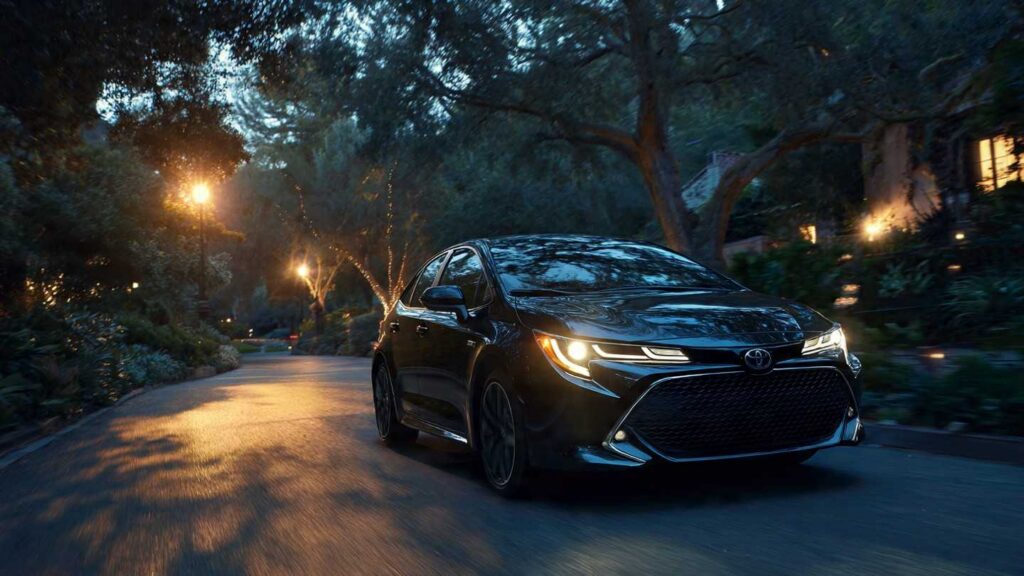
Hybrid Variants, Fuel Economy, and the Long-Term Math
Both manufacturers offer hybrid versions of these cars, and in 2026 the hybrid story has become a primary reason to consider either vehicle.
| Trim / Variant | Starting MSRP | EPA Combined MPG | Rear Legroom | Screen Size | Best For |
|---|---|---|---|---|---|
| Civic Sport | ~$26,000 | 32 mpg | 37.4 in | 9-inch | Value + driving feel |
| Civic Hatchback Sport | ~$27,400 | 33 mpg | 46.2 in | 9-inch | Best all-around Civic |
| Civic Hybrid Sport | ~$31,900 | 50 mpg combined | 37.4 in | 9-inch | High-mileage commuters |
| Corolla SE | ~$23,400 | 32 mpg | 41.4 in | 7-inch | Budget-conscious buyers |
| Corolla XSE | ~$26,800 | 32 mpg | 41.4 in | 8-inch | Most buyers’ Corolla |
| Corolla Hybrid SE | ~$24,900 | 52 mpg combined | 41.4 in | 7-inch | Best value hybrid |
Pricing based on Edmunds data for the 2026 model year; figures are approximate.
The Corolla Hybrid’s 52 mpg combined, per EPA data at fueleconomy.gov, is one of the best fuel economy figures in the non-EV compact segment. Over 15,000 annual miles at national average gas prices, the efficiency advantage over the non-hybrid Corolla compounds is roughly $500–$600 per year, and the Corolla Hybrid SE’s price premium over the base SE is approximately $1,500. The math works in favour of a hybrid for most buyers who plan to keep the car for three years or longer.
On safety, both vehicles earned IIHS Top Safety Pick+ for 2026, according to IIHS ratings. NHTSA awarded 5-star overall ratings to both. The standard driver assistance suites Honda Sensing on the Civic and Toyota Safety Sense 3.0 on the Corolla are included in all trims and are functionally competitive.
Who Should NOT Buy This
Don’t buy the Civic if rear passenger comfort is your primary concern and you’re choosing the sedan. The Corolla’s rear legroom advantage is real, and for families with taller teenagers or adults who regularly ride in the back, that 4-inch difference matters. The Civic hatchback eliminates this concern, but it costs more.
Don’t buy the Corolla if you care about in-cabin technology and don’t want to pay for an upgrade trim. The base SE’s 7-inch screen and lower-trim infotainment experience feel inferior to the Civic’s standard 9-inch setup. If you’re cross-shopping at the entry price point, the Corolla SE’s lower price is real, but so is the technology gap.
And if you’re specifically looking for driving engagement a compact car that rewards spirited driving and communicates through its controls neither the Corolla nor the base Civic is the answer. The Civic Si is a different vehicle at a different price, and that’s the right comparison for driving enthusiasts.
The Verdict
The 2026 Honda Civic is the better overall compact car for most American buyers, and the Civic Hybrid represents the strongest single purchase in the segment. The combination of a 50 mpg combined fuel economy rating, a genuinely engaging driving character, a 9-inch standard screen, and competitive reliability makes it difficult to argue against for buyers putting on meaningful annual mileage.
In my assessment, the Corolla’s strongest case is made in two specific scenarios: buyers on the tightest budget who need the base SE’s lower entry price, and families who regularly carry tall rear-seat passengers where the legroom advantage is genuinely felt every day.
Don’t buy either vehicle if you need significant cargo capacity the Civic hatchback is the only version of this comparison that handles regular load-carrying, and even it concedes to dedicated compact SUVs on volume. Cross-shop the Civic hatchback against the Honda HR-V if cargo and rear space are equal priorities to driving. Verify current trim pricing on Edmunds before making any decisions, as regional availability affects real transaction prices.
References
- IIHS Vehicle Safety Ratings
- NHTSA Safety Ratings
- EPA Fuel Economy Data
- Honda Official Site
- Toyota Official Site
- Edmunds — Compact Car Comparisons
Disclaimer: The information provided in this article is for educational and informational purposes only. It does not constitute professional advice. Readers should conduct their own research and consult with qualified professionals before making any decisions.