

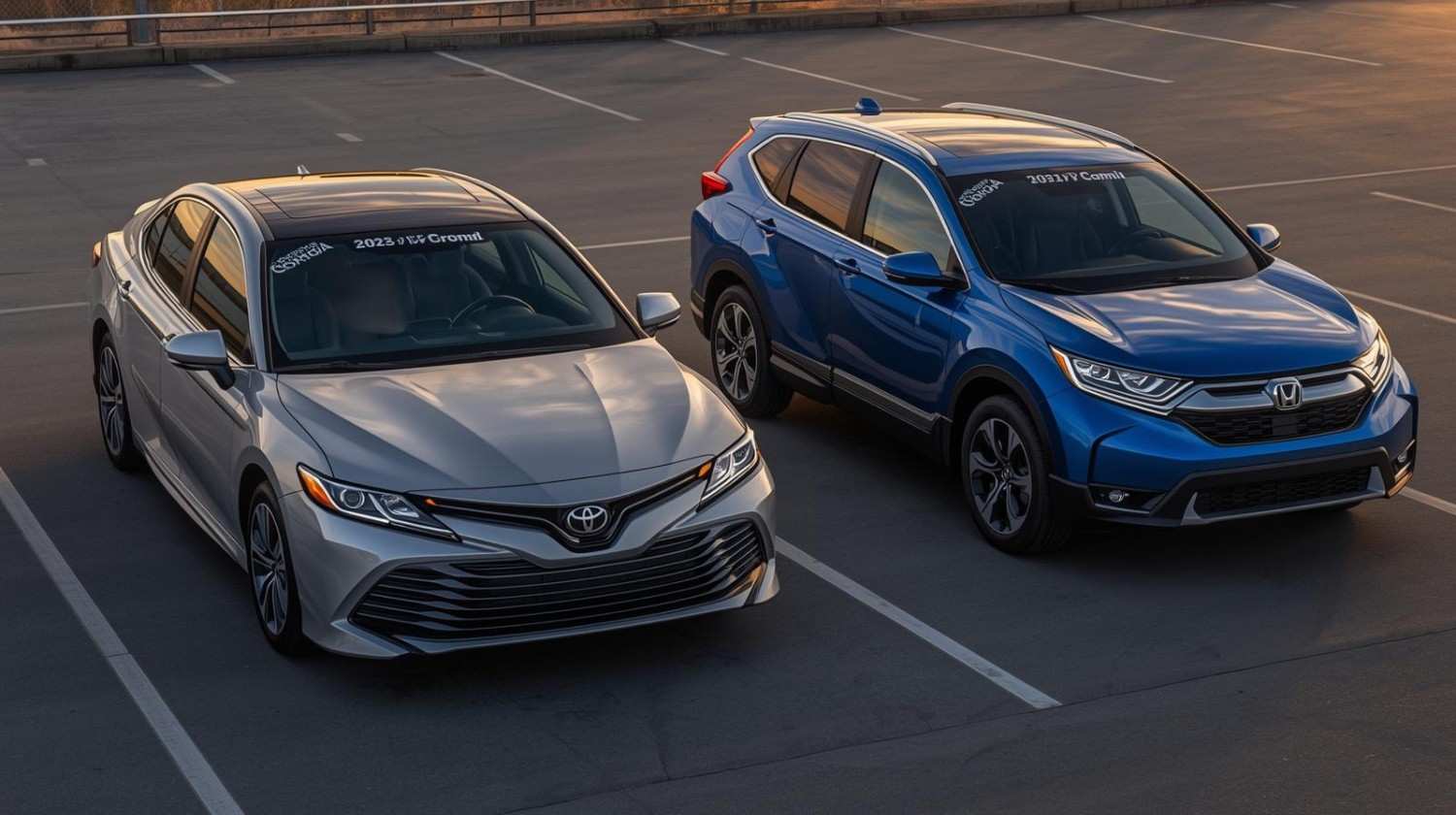
You finance a $35,000 car. Six months later, it’s totaled in an accident, and your insurer cuts a check for $29,000. However, your loan balance remains at $32,000. That $3,000 difference is what GAP (Guaranteed Asset Protection) insurance is typically designed to cover.
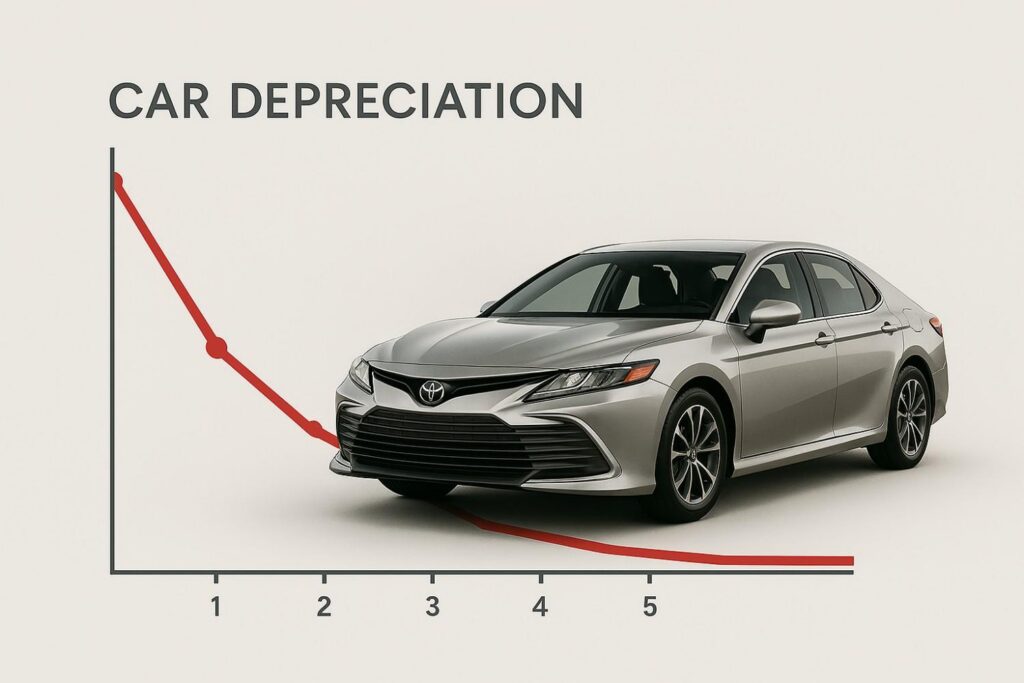
Most buyers may not realize how quickly a new vehicle can lose 10–20% of its value within the first year, according to data from Kelley Blue Book. Lenders generally do not adjust for depreciation; they often expect the full loan balance regardless of the car’s current market value. This financial mismatch is where GAP protection may step in to shield your savings.
By the end of this analysis, you will understand how GAP insurance functions, what it can cost in 2026, when it makes financial sense, and when it might simply be an unnecessary add-on inflating your monthly payment.
A $500–$900 Add-On That Can Cover a $3,000–$8,000 Shortfall
GAP insurance is relatively straightforward in theory. It may cover the difference between what your standard auto insurance pays out after a total loss—the “Actual Cash Value”—and what you still owe to your lender.
Here is how those numbers can look in common 2026 scenarios:
| Scenario | Vehicle Value at Loss | Loan Balance | GAP Coverage May Pay |
| Year 1 Depreciation Hit | $28,000 | $32,000 | $4,000 |
| Low Down Payment Loan | $22,000 | $27,000 | $5,000 |
| Long-Term Loan (72 months) | $18,500 | $24,000 | $5,500 |
This gap is not a rare occurrence. According to 2026 Edmunds depreciation data, many vehicles can lose roughly 20% of their value in the first twelve months, which can easily create a $4,000+ mismatch on a mid-$30,000 vehicle. The math relies on the fact that your insurer pays what the car is worth today, not what you originally paid or what you still owe.
The Monthly Payment Looks Fine. The Loan Balance Might Not.
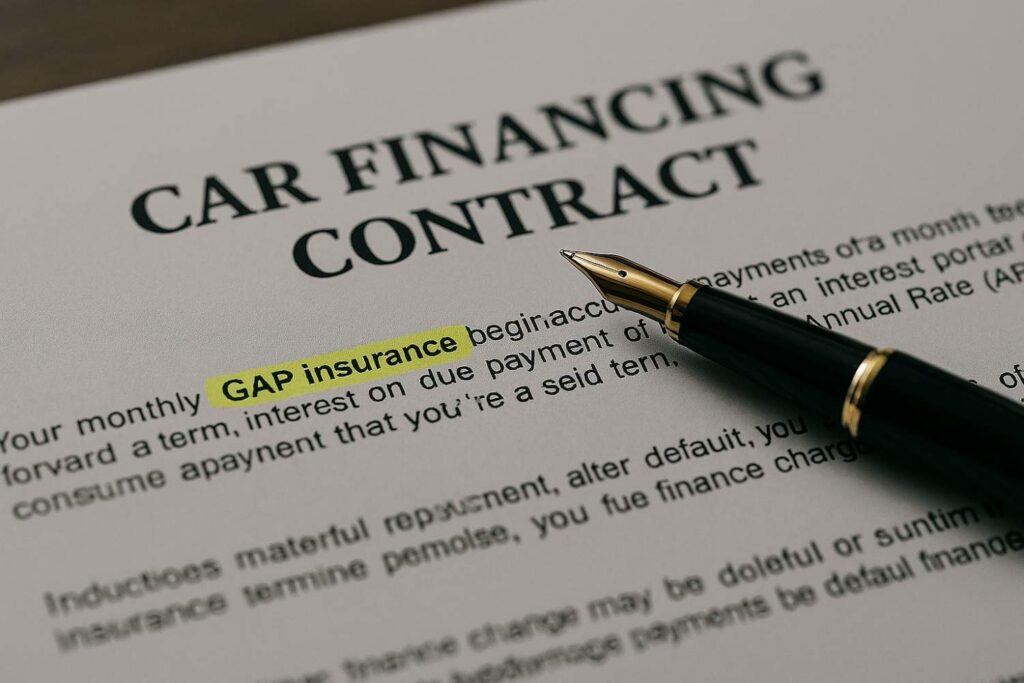
In our assessment, dealers rarely explain clearly that GAP insurance becomes relevant primarily because of how modern loans are structured. Most buyers choose to stretch loans to 60 or 72 months to keep monthly payments manageable. According to the Federal Reserve’s 2026 consumer credit report, longer-term auto loans remain the standard, which often slows how quickly a buyer builds equity.
That delay creates significant financial risk. Why does the gap exist in the first place?
- Low or zero down payment: You may start “underwater” (owing more than the car is worth) immediately upon driving off the lot.
- Long loan terms (60–72 months): This leads to a slower reduction of the principal balance.
- High initial depreciation: The vehicle’s market value often drops faster than your balance decreases.
When these factors combine, a borrower can owe 15%–25% more than the car’s market value during the first year of ownership.
A $700 Product That Sometimes Saves You $5,000—And Sometimes $0
Let’s get specific about the cost of this protection. You will typically see GAP insurance priced in one of three ways:
| Source | Typical Cost | How You Pay | 5-Year Cost Impact |
| Dealership Add-on | $500–$900 | Rolled into loan | $650–$1,200 with interest |
| Auto Insurer Add-on | $20–$40/year | Annual premium | $100–$200 total |
| Credit Union Offering | $300–$600 | Upfront or financed | $350–$800 |
The dealership version is almost always the most expensive because it is often financed, meaning you pay interest on the insurance itself. A $700 product can quietly turn into a $1,000+ expense over a 72-month loan. In my experience on the finance side, GAP was one of the easiest products to sell because the risk feels real—and sometimes it is. However, the pricing spread between dealer and insurer versions is often difficult to justify.
So When Do You Actually Need GAP Insurance?
This is the question most buyers should ask before they reach the finance office. When you are signing paperwork and juggling monthly payments, a $700 add-on is frequently framed as “essential protection.”
GAP insurance usually makes sense if:
- You put down less than 20% of the purchase price.
- Your loan term is 60 months or longer.
- You are buying a vehicle with steep early depreciation, such as many luxury models.
- You are rolling negative equity from a previous loan into the new one.
In these cases, your potential exposure can reach $3,000–$7,000, which can make a $150 insurer-based GAP policy look very reasonable.
You can usually skip GAP if:
- You put down 20% or more.
- Your loan term is 48 months or less.
- You are buying a vehicle with strong resale value, such as certain Toyota or Honda models.
In these instances, the “gap” often shrinks to $1,000 or less relatively quickly, making the insurance much less compelling.
The Dealer Isn’t Lying—But They Are Not Pricing It in Your Favor
GAP insurance is a legitimate financial product; it is not a scam. However, the way it is sold can inflate its cost relative to its actual benefit. The Consumer Financial Protection Bureau (CFPB) has noted that add-ons like GAP can significantly increase the total loan amount without always being clearly explained in terms of long-term interest costs.
Every extra $500 financed can add $75–$150 in interest over the life of the loan, depending on your rate. It is also important to remember that GAP is usually optional, even if it is presented as a standard requirement by a salesperson.
A Quick Reality Check Most Buyers Skip
If your car were totaled tomorrow, would you be prepared to write a $4,000 check to your lender? That is the core of the decision. It is not about whether GAP is “good” or “bad,” but whether you are exposed to a financial hit large enough to justify the premium.
While depreciation varies by model and insurance payouts can differ, the framework for the decision remains consistent.
The Final Verdict: How to Choose
If your loan setup puts you at risk of a $3,000+ negative equity gap, the smarter move is to acquire GAP—but consider getting it from your insurer, where it might cost $150 total instead of $900 financed through a dealer.
If your down payment is solid and your loan term is short, the math often does not support paying for coverage you are unlikely to use.
Before you sign, we recommend three steps:
- Run your vehicle through the 2026 Edmunds True Cost to Own calculator.
- Check resale estimates on Kelley Blue Book.
- Ask your current auto insurer for a GAP quote.
Taking these steps can help you keep an extra $500–$1,000 in your pocket over the life of your loan.
References
- Kelley Blue Book – Real-World Depreciation Trends 2026
- Edmunds True Cost to Own – 2026 Data
- Consumer Financial Protection Bureau – Auto Loan Add-ons Report 2025
- Federal Reserve Consumer Credit Data – G.19 Release 2026
- Insurance Information Institute – Understanding GAP Insurance
Disclaimer
The information provided in this article is for educational and informational purposes only. It does not constitute professional financial or legal advice. Readers should conduct their own research and consult with qualified professionals before making any financial decisions.