
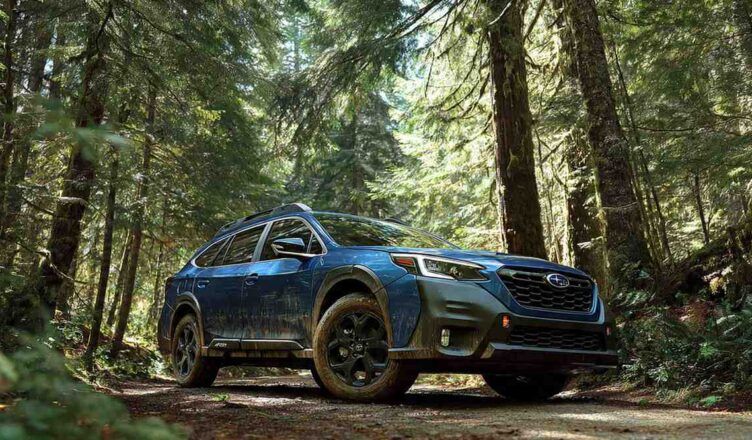
Most buyers who consider the 2026 Subaru Outback aren’t cross-shopping it against sports cars. They’re weighing it against the RAV4, the Ford Escape, and the Subaru Forester and they’re asking a genuinely practical question: is this still the most sensible all-weather wagon for someone who doesn’t want a traditional SUV? The short answer is yes, but with more competition biting at its heels than at any point in the Outback’s history.
The Outback has held a reliable position in the American market by being the vehicle that outdoorsy families buy when they want AWD, ground clearance, and real cargo space without the bulk and fuel penalty of a full-size SUV. The 2026 model continues that formula, but several improvements including a revised standard driver assistance suite, optional 11.6-inch touchscreen, and the continued availability of the Wilderness trim make this a more competitive entry than recent model years have been.
This review covers the complete 2026 Outback lineup, with driving impressions, interior evaluation, EPA fuel economy data, IIHS and NHTSA safety ratings, and a clear verdict on whether it still earns its reputation.
The Driving Feel: Honest, Unhurried, Occasionally Frustrating
Settle into the Outback’s driver seat and the view out is good the windshield is large and near-vertical, the hood is visible ahead of you, and the side mirrors are wide enough to frame the rear quarters without a blind spot monitor being a strict necessity. The driving position is car-like, lower than an SUV but with more height than a traditional station wagon. That combination works.
Push the accelerator harder than usual and the naturally aspirated 2.5-liter flat-four engine responds with a hesitation that feels almost conversational like it’s thinking about it before committing. There’s no harshness to it, just a gentle surge of power that builds slowly and evenly. The 182 horsepower isn’t a selling point; it’s barely enough on steep on-ramp merges, and it becomes genuinely limiting when the car is loaded with four adults and luggage. The steering is light with minimal feedback, communicating road surface texture in a muted, filtered way that prioritizes comfort over driver engagement.
The optional 2.4-liter turbocharged flat-four, available on the Outback Onyx and Wilderness trims, transforms the experience. Floor it from a stop and the torque arrives with more immediacy the weight of the car is still there, but the engine manages it rather than being overcome by it. If you’re going to live with an Outback long-term, the XT powertrain is worth the price difference.
The base Outback is pleasant to drive in a way that rewards patience, but patience is occasionally required — and not every buyer has it.
Interior, Cargo, and Long-Distance Comfort
To be fair to the Outback, this is its strongest suit. The rear seat has genuine legroom a 6-foot adult sits without complaint, and two car seats fit side by side with center aisle access remaining. The load floor behind the rear seat offers 32.5 cubic feet of cargo space, less than some compact SUVs but shaped efficiently: the floor is flat, the opening is wide, and the sides of the cargo area don’t taper awkwardly. A bike with the front wheel removed fits without drama, which is a real test that many vehicles fail.
The 11.6-inch touchscreen available on upper trims is large and visually imposing, but the vertical orientation means the navigation map displays in a tall, narrow format that takes getting used to. Physical climate controls, retained in the 2026 Outback, are a genuine quality-of-life win compared to vehicles that have migrated those functions into touchscreens. Reaching down to adjust the fan speed without looking away from the road is something the Outback still allows.
Long-distance comfort is where the Outback builds its real argument. The suspension absorbs highway road imperfections with a soft, absorbent quality you feel expansion joints as gentle waves rather than sharp intrusions and the cabin noise at 70 mph is acceptably quiet, though not BMW or Honda quiet. In our experience, five-hour highway drives in the Outback are less fatiguing than in most competitors at its price point.
Specs, Pricing, and Where Each Trim Earns Its Place
The Outback lineup runs from the base model at roughly $30,900 to the Wilderness at around $41,000, with the turbocharged XT and Onyx XT trims sitting in the mid-$30s.
| Trim | Starting MSRP | Engine | Ground Clearance | Cargo (Rear Seats Up) | Best For |
|---|---|---|---|---|---|
| Base | ~$30,900 | 2.5L flat-four | 8.7 in | 32.5 cu ft | Entry commuters |
| Premium | ~$33,200 | 2.5L flat-four | 8.7 in | 32.5 cu ft | Standard family use |
| Onyx XT | ~$36,100 | 2.4L turbo flat-four | 8.7 in | 32.5 cu ft | Power + light trail |
| Outback XT Touring | ~$38,500 | 2.4L turbo flat-four | 8.7 in | 32.5 cu ft | Long-distance comfort |
| Wilderness | ~$41,000 | 2.4L turbo flat-four | 9.5 in | 32.5 cu ft | Serious light off-road |
Pricing based on Edmunds data for the 2026 model year; figures are approximate and vary by region.
On fuel economy, the base 2.5L Outback returns approximately 26 mpg city / 33 mpg highway in AWD configuration, per EPA estimates at fueleconomy.gov. The turbo XT drops to 22 mpg city / 29 mpg highway — still reasonable, but not class-leading.
Safety is a genuine Outback strength. The 2026 model received IIHS Top Safety Pick+ status, according to IIHS ratings. NHTSA awarded a 5-star overall rating. The standard EyeSight driver assistance suite, automatic emergency braking, adaptive cruise, lane centering is included at every trim level, which no longer goes without saying across the segment.
Who Should NOT Buy This
The Outback is not the right vehicle for buyers who need a genuinely quick car. If you regularly merge onto fast-moving highway traffic from short on-ramps, carry full passenger loads frequently, or just prefer a vehicle that responds immediately to throttle input, the base 2.5L engine will frustrate you. The XT powertrain helps, but it adds cost that puts the Outback into competition with significantly quicker alternatives.
The Outback also concedes ground to the Honda CR-V and Toyota RAV4 on interior refinement. Both competitors have more premium-feeling materials in mid-level trims, and the CR-V in particular has a more sophisticated interior layout. If cabin quality matters as much as utility, the Outback comes up slightly short.
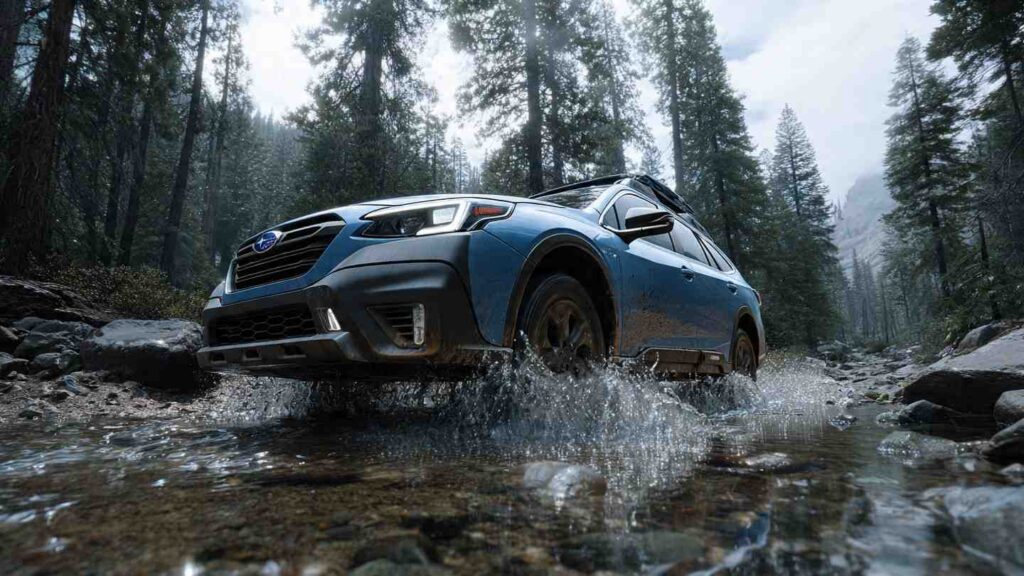
And if you’re buying the Outback specifically for the Wilderness trim’s off-road capability the 9.5 inches of ground clearance is legitimate, and the all-terrain tires are real know that at $41,000, it’s competing with the Ford Bronco Sport Badlands and the Toyota RAV4 TRD Off-Road, both of which offer dedicated off-road hardware at comparable prices.
The Verdict
The 2026 Subaru Outback is not past its prime, but it’s no longer the obvious choice it once was. In my assessment, the Outback XT Premium represents the strongest value in the lineup the turbo engine removes the power hesitation that frustrates base-trim buyers, the safety suite is excellent, and the long-distance comfort remains class-competitive.
Buy the Outback if you want a practical, all-weather family vehicle with strong safety ratings, real cargo space, and the flexibility to handle light trails and snowy driveways without dedicated off-road hardware. It earns that role better than most.
Don’t buy it if interior refinement and in-cabin technology are your primary concerns. The CR-V and RAV4 have both moved ahead on those dimensions, and the Outback doesn’t fully close the gap. Verify the specific headlight rating for your chosen trim on IIHS’s website before purchase those scores can vary significantly within a model lineup.
References
- IIHS Vehicle Safety Ratings
- NHTSA Safety Ratings
- EPA Fuel Economy Data
- Subaru Official Site
- Edmunds — 2026 Subaru Outback
Disclaimer: The information provided in this article is for educational and informational purposes only. It does not constitute professional advice. Readers should conduct their own research and consult with qualified professionals before making any decisions.
