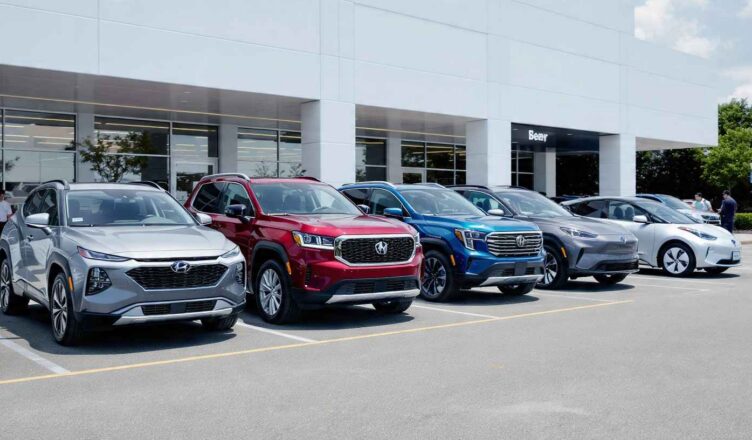
The biggest depreciation story in 2026 is not that every vehicle loses value. That part is old news. The real story is how uneven the market has become. Hybrids and trucks are still holding up relatively well. Conversely, many EVs and big luxury sedans are dropping much faster, even as the broader used-vehicle market starts to look more stable overall.
Black Book expects its Used Vehicle Retention Index to finish 2026 nearly flat year over year. However, that surface-level stability hides sharp differences underneath. If you are shopping this year, that split matters. A lot. It may shape whether you buy new, shop lightly used, or wait for a seasonal dip. (Black Book)
This article breaks down the 2026 depreciation patterns that actually matter. We look at the vehicle types that appear to retain value best and the ones that may fall hardest. Finally, we explore the purchase timing strategies that can help you keep more money in your pocket.
The 2026 market is calmer, but not equal
After the pandemic-era pricing chaos, 2026 looks more normal from 30,000 feet. Black Book says the overall wholesale market may end the year close to flat. Kelley Blue Book reports that new-car inventory has normalized to around a 76-day supply. This is much closer to a traditional market than buyers saw a few years ago. (Black Book)
KBB also says the average new-car transaction price in January 2026 was $49,191. This is down from a record $50,326 in December. But normal is not the same as predictable. Some vehicles are still behaving like money pits. Others remain surprisingly resilient. (Kbb.com)
J.D. Power’s 2026 U.S. ALG Residual Value Awards project retained value after three years. They gave the top overall brand honors to Toyota in the mass-market category and Tesla in the premium category. This does not mean every Toyota or Tesla is a resale star. It does, however, reinforce a broader 2026 pattern. Strong brand demand and disciplined incentives still matter a lot. (JD Power)
Incentives matter significantly. Once automakers start leaning harder on discounts, residual values can soften. This happens because future used buyers anchor their expectations to lower new-car pricing. If a new car is “cheap” today, its used counterpart will be cheaper tomorrow.
Which vehicles are holding value, and which ones are not
If you want the blunt version, here it is: hybrids, trucks, and certain compact SUVs still look like the safer bets. Many EVs and high-end luxury cars do not. iSeeCars’ latest depreciation study found that EVs lose an average of 58.8% of their value over five years. This is worse than any other major vehicle type. (iSeeCars)
Hybrids lost 40.7% on average and trucks 40.4%, which is a materially better outcome. The same study says the models that hold value best are dominated by sports cars and trucks. Practical SUVs such as the Toyota RAV4 and Honda CR-V also perform well. Meanwhile, many of the worst performers are EVs and large luxury models. (iSeeCars)
This tracks with what many of us have been seeing in the market. EV technology is improving quickly, which makes older models feel dated faster. Incentives have also shifted the math for many shoppers. Additionally, some used-EV shoppers remain cautious about battery aging and charging convenience.
A well-known hybrid or pickup still appeals to a huge slice of mainstream buyers. These vehicles offer a sense of reliability and versatility that transcends tech trends. Below is the useful high-level picture for 2026:
| Vehicle Type | Typical 2026 Resale Behavior | Primary Driver |
| Hybrids | Stronger value retention | Fuel savings, broad demand, lower anxiety |
| Trucks | Stronger value retention | Work utility, loyal base, slower obsolescence |
| Compact SUVs | Above average | Family demand, usable size, easy resale |
| EVs | Faster depreciation | Tech updates, charging concerns, incentives |
| Luxury Sedans | Weaker resale | High MSRP, expensive repairs, narrow demand |
Small differences compound over time. A vehicle that loses value a bit more slowly in years one through three may also cut your financing risk. It can reduce negative-equity exposure and make it easier to trade out early if life changes. That is why I like using Edmunds’ True Cost to Own calculator as a reality check. (Edmunds)
Edmunds forces you to stop staring at MSRP alone. You must look at depreciation, insurance, taxes, fuel, and maintenance together. Edmunds defines TCO as a five-year estimate that includes all of these items. It often reveals that the “cheaper” car is actually the more expensive one over time.
The impact of technology and regional demand
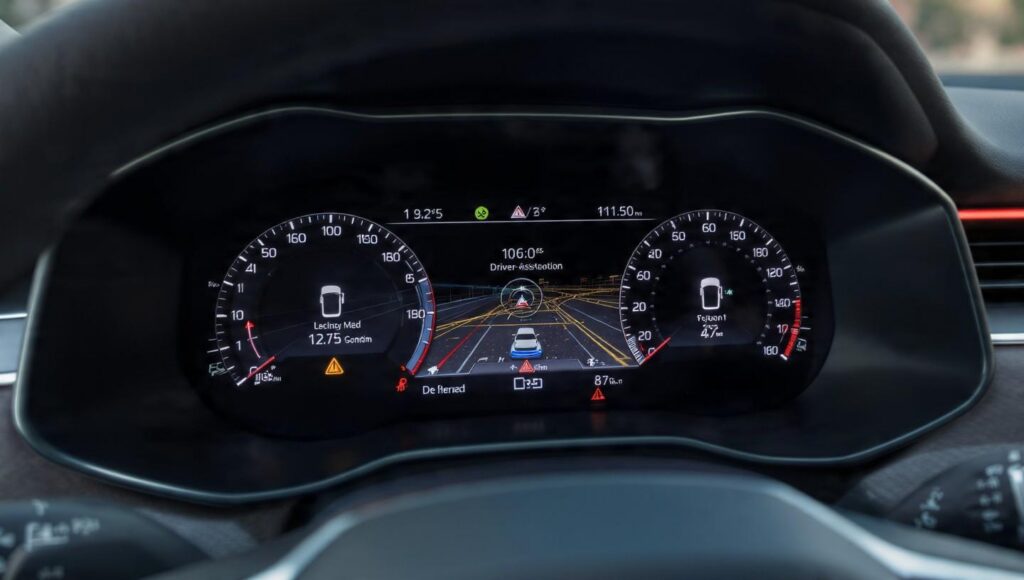
In 2026, technology is a double-edged sword for value. Advanced driver-assistance systems (ADAS) are now standard on most new models. This creates a value floor for modern used cars. Buyers in 2026 are less likely to consider a vehicle that lacks basic automated emergency braking or lane-keep assist.
However, rapid software advancement can also hurt resale. Vehicles that rely heavily on proprietary software that cannot be updated may depreciate like old smartphones. Trucks and hybrids tend to avoid this trap because their value is tied more to mechanical capability. A truck’s towing capacity does not expire when a new software version launches.
Regional demand also plays a massive role in these 2026 trends. In colder climates, all-wheel-drive (AWD) hybrids and traditional SUVs retain a premium. In urban centers, compact EVs may see slightly better retention than the national average. You should always check local listing volumes before assuming a national trend applies to your zip code.
The first owner still takes the hardest hit
Here is the pattern that rarely changes: the steepest depreciation still tends to hit early. This is why a two- to three-year-old used vehicle often remains the sweet spot in 2026. You may avoid the sharpest early drop while still getting modern safety tech. You also often benefit from a remaining factory warranty.
iSeeCars’ 2026 used-car value research found that the average 5-year-old used car costs $24,377. It has about 7.4 years of remaining lifespan on average. This gives buyers a tangible way to think about post-depreciation value rather than sticker shock alone. It highlights the utility you get for every dollar spent. (iSeeCars)
This is where many buyers get tripped up by marketing. A heavily discounted new EV might still depreciate faster than a less flashy hybrid bought used. A premium badge can still cost you more over five years, even if the monthly payment looks manageable. Boring financial choices often yield the best long-term results.
There are certainly exceptions to this rule. Some high-demand new models with tight supply may hold value unusually well for the first year. However, counting on that outcome is more akin to speculation than a reliable strategy. For the average buyer, the “lightly used” path remains the most defensive move
So when should you buy in 2026?
If your goal is minimizing depreciation, your timing depends on your target. For used cars, iSeeCars says timing can matter by thousands of dollars. Its latest study found that shopping during certain holiday windows may save buyers more than $2,600. This is because listing mix and dealer behavior shift throughout the year. (iSeeCars)
For new cars, the strategy is different. With inventory normalizing in 2026, you may have more leverage on outgoing model-year vehicles. This typically happens late in the calendar year. Dealers want older stock gone to make room for new arrivals, leading to aggressive manufacturer support.
KBB’s early-2026 market outlook also suggests that buyers can find sub-average pricing with the right mix of flexibility. Automators are responding differently to demand and inventory pressure. This creates “pockets” of value if you are willing to switch brands or colors. (Kbb.com)
| Buying Goal | Best 2026 Strategy | Reason |
| Avoid early drop | Buy 2-3 year old used | Biggest value hit already absorbed |
| Long-term retention | Focus on Hybrids/Trucks | Stronger resale patterns in recent data |
| Max used value | Shop holiday soft spots | Seasonal shifts can save over $2,600 |
| New car savings | Target outgoing models | Normalized stock improves leverage |
One final consideration is safety. A vehicle that holds value well but performs poorly in crash tests is a poor investment. IIHS continues to rate crashworthiness and crash-avoidance systems across current vehicles. This is one of the few places where you can compare value and safety objectively. (iihs.org)
Modern safety features are not just for protection. They are increasingly tied to insurance costs and future resale appeal. A car that earns an IIHS Top Safety Pick+ in 2026 will likely be more desirable in 2029. This creates an additional layer of “value” that isn’t always reflected in a depreciation chart.
What smart buyers should do before signing anything
Run three checks. First, compare current market value on KBB or TrueCar-style pricing tools against the seller’s ask. Second, use Edmunds True Cost to Own to see if the deal still looks good after five years. Third, confirm safety ratings with IIHS, especially if you are cross-shopping an older used model. (Kbb.com)
Notably, you should not overreact to brand reputation alone. Toyota’s strong 2026 residual performance is real, but that does not make every Toyota a perfect fit. The same goes for Tesla’s premium-brand award. Model-level pricing and local insurance rates may matter just as much to your bottom line. (JD Power)
Always check the battery health on any used EV or hybrid. In 2026, specialized diagnostic tools are more accessible to consumers. A “good deal” on a hybrid with a degraded battery can quickly become a financial burden. This nuance is critical for maintaining the value of your purchase.
Conclusion
Vehicle depreciation in 2026 is no longer a simple “new cars lose money fast” story. The broader market looks steadier than it did a few years ago. However, resale value now depends much more on powertrain, segment, and buyer demand. Hybrids and trucks appear to be the safer bets for those prioritizing retention. (Black Book)
The practical move for 2026 is clear. If you want the least depreciation pain, buy slightly used. Prioritize vehicles with broad second-owner appeal and use the more normal inventory conditions to negotiate. Before you decide that a lower sticker price equals a better deal, run the math.
In this market, the smartest purchase is often the one that looks a little boring on day one. These vehicles often look much smarter three to five years later when it is time to sell. Focus on the total cost, stay patient, and let the data guide your decision.
References
- Kelley Blue Book: Is Now the Time to Buy, Sell, or Trade in a Car?
- J.D. Power 2026 U.S. ALG Residual Value Awards
- Black Book 2026 Outlook: Market Stability Returns, But Value Fragmentation Deepens
- iSeeCars: The Top 25 Cars That Hold Their Value Best and the 25 Worst
- Edmunds True Cost to Own
- IIHS Vehicle Ratings
Disclaimer: The information provided in this article is for educational and informational purposes only. It does not constitute professional advice. Readers should conduct their own research and consult with qualified professionals before making any decisions.
Last Updated on March 18, 2026 by Kamakashi Singh
