
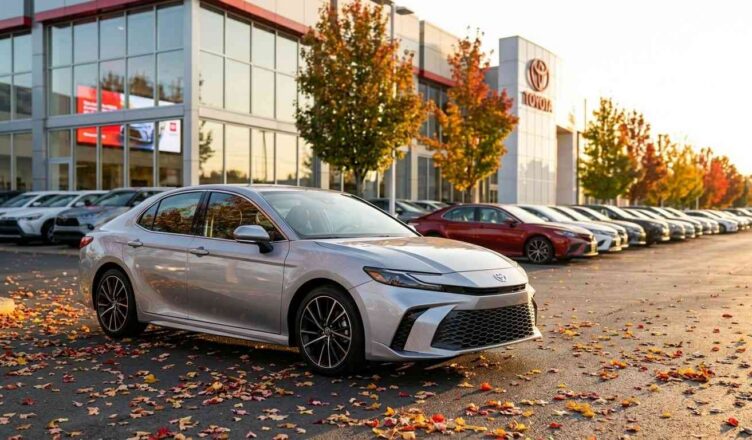
The difference between buying in October versus March can easily run $2,000–$4,000 on the exact same vehicle. Same trim. Same dealership. Just different timing. I’ve watched buyers miss that window for years. This isn’t about luck or negotiation skills. It’s about understanding when dealers are under pressure to move inventory, how automakers structure incentives, and where the financing math shifts in your favor. By the end of this, you’ll know which months in 2026 consistently produce lower transaction prices, how year-end quotas actually affect your deal, and when waiting costs you more than it saves.
Late October Through December: Where the Real Discounts Show Up
Dealers hate carrying inventory into a new calendar year. That’s where your leverage comes from. Automakers roll out next model years as early as late summer, which means by October, 2026 vehicles are already aging on the lot. And every unsold unit ties up dealer financing—what’s called floorplan interest. That cost adds up monthly. Dealerships are often more willing to cut into profit margins just to move units before year-end.
According to Edmunds transaction data, year-end sales events regularly produce some of the deepest discounts of the year, especially on outgoing model-year vehicles. According to the 2026 Edmunds Market Report, shoppers may see total savings of 8%–12% off MSRP in some segments when combining dealer flexibility with manufacturer incentives. This is not universal; high-demand hybrids and EVs don’t always follow this pattern. But for gas SUVs and sedans sitting on lots, the pressure builds fast.
December has another layer because salespeople and managers are chasing annual quotas. Hit the number, and they may qualify for manufacturer bonuses worth tens of thousands. Miss it, and they don’t. That changes conversations significantly. When a manager is three cars away from a massive bonus, they are much more likely to sign off on a “skinny” deal that they would have rejected in the spring.
Month-End Timing Still Matters — Just Less Than You Think
You’ve probably heard “buy at the end of the month.” There’s truth there, just not as much as people think. Yes, sales teams track monthly targets. And yes, the last few days can bring slightly more flexibility on price. But we’re usually talking hundreds of dollars, not thousands. Compare that to seasonal timing. Buying on December 29 versus December 10 might save you $300–$800. Buying in December instead of June might save you $2,000 or more on the same vehicle.
The bigger lever is timing the season, not the exact day. Still, if you’re already shopping late in the year, stacking both helps. It’s incremental, but real. If you can align a late-December purchase with the final two days of the month, you are maximizing the pressure on the dealership from both a monthly and annual perspective.

Spring and Early Summer: Higher Prices, More Inventory
Walk into a dealership in April and you’ll see full lots, fresh inventory, and new model year excitement. You will also see fewer discounts. This is peak demand season. Tax refunds hit, weather improves, and people are ready to buy. Dealers know it. According to Kelley Blue Book pricing trends, average transaction prices tend to climb in spring and early summer as demand increases and incentives shrink. Automakers don’t need to push as hard when cars are already moving.
More selection doesn’t mean better value. Yes, you’ll find more color and trim combinations. That matters if you’re picky. But financially, this is the most expensive time to buy. The monthly payment might still look reasonable, but the total cost doesn’t. If you’re financing, timing matters even more. The Federal Reserve consumer credit data shows auto loan rates have remained elevated into 2026 compared to pre-2020 levels. Higher rates amplify price differences over time.
A $2,000 higher purchase price doesn’t just cost $2,000. Over a 60-month loan, it can push total cost closer to $2,400–$2,700 depending on your rate. Furthermore, the 2026 Spring Outlook from the Consumer Financial Protection Bureau suggests that while inventory is stabilizing, lender scrutiny remains high, meaning those “limited time” spring APR specials often require near-perfect credit scores to actually secure.
Model Year Changeovers: The Hidden Sweet Spot
This is the timing most buyers miss. Late summer into early fall—typically August through October—is when next-year models start arriving. That creates an awkward overlap where dealers have both outgoing and incoming inventory. That’s your window. Dealers want the older models gone before they start competing with newer versions sitting 20 feet away. Even if the differences are minor, the perception shift is real.
Here’s how that plays out:
| Vehicle | 2026 MSRP | Typical Discount (Oct–Dec) | Estimated Savings |
| Toyota Camry LE | $28,700 | 6%–9% | $1,700–$2,500 |
| Honda CR-V EX | $32,350 | 5%–8% | $1,600–$2,600 |
| Ford F-150 XLT | $41,800 | 7%–10% | $2,900–$4,200 |
| Hyundai Tucson SEL | $30,900 | 6%–9% | $1,800–$2,700 |
(Data based on Edmunds pricing trends and KBB transaction estimates for late-year sales periods.)
Same vehicle. Different timing. Real money. But here’s the tradeoff. You may have fewer color choices or trim combinations left. Popular configurations tend to sell earlier in the year. In our assessment, this is usually a fair compromise. Saving $2,000–$4,000 often matters more than getting your exact preferred wheel design.
Holiday Weekends: Good Marketing, Mixed Savings
Labor Day, Memorial Day, and the Fourth of July are dates you’ll see ads everywhere. And yes, these events often come with manufacturer-backed incentives—cash rebates, low APR financing, lease specials. They can be real. But they’re not always the lowest prices of the year. Automakers use holiday promotions to drive showroom traffic, not necessarily to clear inventory. The discounts can look appealing, but they’re often baked into pricing you could negotiate anyway at other times.
This is where buyers get tripped up. The deal feels special because it’s labeled that way. The numbers don’t always back it up. There are exceptions. End-of-year holiday events—especially in November and December—tend to combine both marketing pressure and inventory urgency. That’s where timing aligns. If you are looking for a truck, specifically, late-year holidays like Veteran’s Day often see aggressive regional “truck month” overlays that can be stacked with year-end clearing.
The Question Most Buyers Don’t Ask
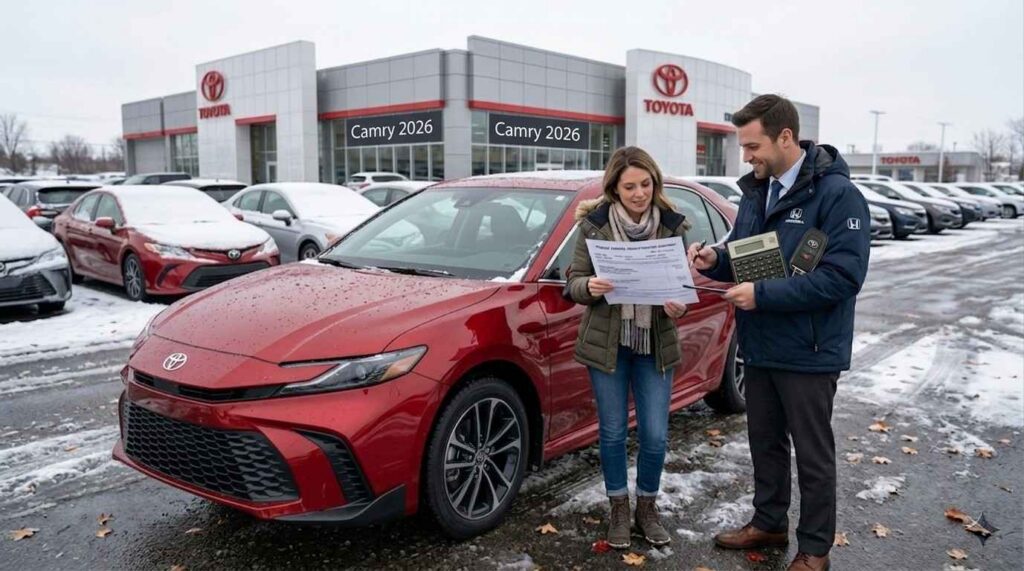
If waiting saves you $2,000, why doesn’t everyone just wait? Because sometimes waiting costs more than it saves. If your current car is unreliable, repair costs can eat into those savings quickly. A $1,500 transmission repair wipes out most of the advantage of perfect timing. Interest rates complicate things further. If rates drop later in 2026—and that’s uncertain—you could benefit from both lower pricing and cheaper financing. But if rates hold or rise, delaying your purchase may reduce one cost while increasing another.
Your situation matters. If you are currently leasing and your term ends in May, the “cost” of extending that lease or renting a car until December just to save $2,000 might result in a net loss. This is the part where the math gets personal.
So, When Should You Actually Buy in 2026?
Here’s the blunt version. If your goal is the lowest possible price, target late October through December. That’s where inventory pressure, incentives, and sales quotas all stack in your favor. If you need more selection and flexibility, late summer during model-year transitions offers a solid middle ground. If you’re buying in spring, go in knowing you’re likely paying a premium. That doesn’t mean it’s wrong; it just means you shouldn’t expect aggressive discounts.
In our assessment, December remains the most consistently favorable month for buyers who prioritize total cost over convenience. The data backs it, and the behavior on dealership floors does too. However, if you are looking for a specific high-demand vehicle like a specialized EV or a limited-run performance car, the “timing” rules may not apply at all, as demand often outstrips supply year-round.
Conclusion: Timing Matters — But Only If You Use It
Late-year buyers tend to come out ahead. Not because they negotiate harder, but because they show up when the system is tilted slightly in their favor. That’s the edge. This article doesn’t account for every variable—local inventory shortages, regional incentives, or sudden shifts in interest rates can all change the equation. You’ll want to verify real-time pricing using tools like Edmunds’ True Cost to Own calculator and cross-check fair market values on Kelley Blue Book before stepping into a dealership. Start there. Then pick your moment.
References
- Edmunds True Cost to Own
- Kelley Blue Book
- Federal Reserve Consumer Credit Data
- Consumer Financial Protection Bureau Auto Loans
- EPA Fuel Economy Data
Disclaimer
Disclaimer: The information provided in this article is for educational and informational purposes only. It does not constitute professional advice. Readers should conduct their own research and consult with qualified professionals before making any decisions.
