
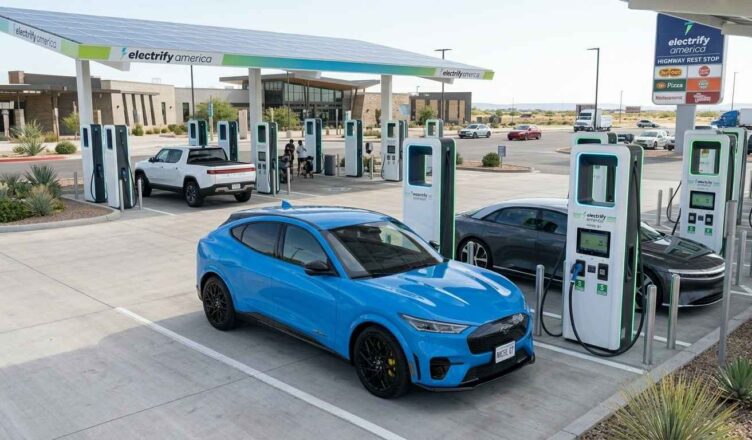
A 10–80% fast charge can cost anywhere from $8 to over $30 depending on the network and whether you’re a member. Same battery. Same trip. Completely different bill.
That spread isn’t random. It comes down to how each charging network prices electricity, how reliable their stations are, and whether you’re plugged into their membership system. By the end of this, you’ll know exactly how Tesla Superchargers, Electrify America, EVgo, and ChargePoint differ in 2026, what you actually get for a monthly membership, and which setup makes financial sense based on how you drive. The numbers here pull from DOE infrastructure data, NREL charging studies, and real pricing structures published by the networks themselves.
Charging Speed Is Converging, Reliability Still Isn’t
Most major networks now advertise 150–350 kW fast charging, but uptime remains the primary differentiator for the owner experience. According to DOE station data and NREL field studies, Tesla’s network consistently delivers higher reliability, often maintaining above 95% uptime, while third-party networks still show more variability depending on local maintenance contracts.
Think of charging networks less like gas stations and more like Wi-Fi networks the signal strength might look similar on paper, but consistency is what you notice daily.
Which means for most drivers, Tesla’s advantage isn’t just speed it’s predictability. You pull in, plug in, and the handshake between the car and the stall happens in seconds. Electrify America has improved significantly since its 2024 hardware refresh, but in some regions, you will still encounter “reduced power” modes on certain dispensers. ChargePoint’s reliability is the most variable because the hardware is often owned and maintained by the individual property owner rather than a centralized network. This is a big deal because a 350 kW charger that is capped at 30 kW due to a cooling failure is effectively a Level 2 station at DC fast-charging prices.
Pricing Models Are Where the Real Differences Show Up
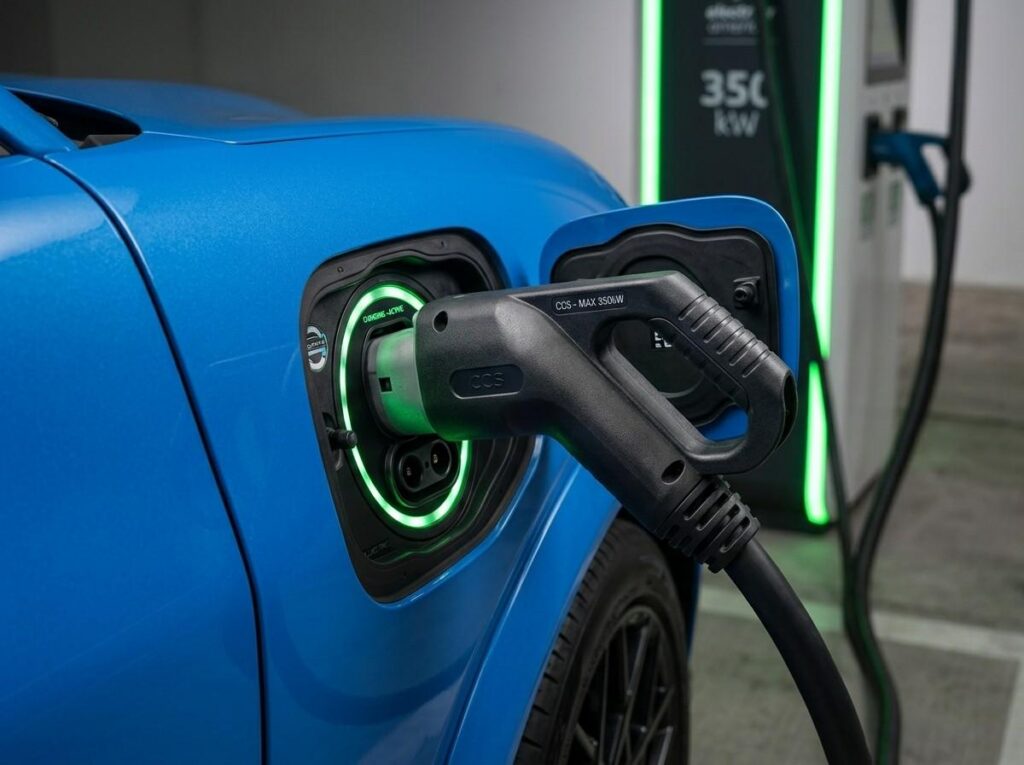
Public fast charging typically ranges from $0.25 to $0.60 per kWh in 2026, but memberships can cut that by 20–40% in exchange for a monthly fee.
2026 Network Pricing Comparison:
| Network | Standard Price (per kWh) | Membership Fee | Member Price |
| Tesla Supercharger | ~$0.32–$0.48 | N/A (for Tesla) | N/A |
| Electrify America | ~$0.48 | $7.00/month | ~$0.36 |
| EVgo | ~$0.52 | $6.99/month | ~$0.41 |
| ChargePoint | Varies | None | Varies |
The technical reality is that networks either charge per kWh or per minute, depending on state legislation. The practical consequence is that your cost depends heavily on how fast your car can actually charge. Because if your car peaks at 100 kW on a per-minute charger, you are effectively paying more per unit of energy than someone pulling 200 kW at the same station. In my assessment, the Electrify America “Pass+” is currently the easiest membership to justify for non-Tesla owners who take at least one long trip per month.
Memberships Only Pay Off If You Fast Charge Regularly
You typically need to consume at least 60 kWh of public fast-charging energy per month to break even on a $7 membership.
Think of a charging membership like a gym subscription, it only makes sense if you actually use it.
In 2026, this “break-even” math shifts dramatically during the winter. Cold temperatures increase battery internal resistance, which slows down charging speeds and increases the amount of energy needed to heat the battery pack. According to NREL data, you might use 15% more energy to reach the same 80% state of charge in 20°F weather than in 70°F weather.
Monthly Savings Scenario (4 Sessions, 180 kWh Total):
| Membership Status | Cost per kWh | Total Monthly Bill |
| No Membership | $0.48 | $86.40 |
| EA Pass+ Member | $0.36 | $71.80 (Inc. $7 Fee) |
| Winter Adjusted | $0.36 | $82.60 (Inc. Fee + 15% more kWh) |
That is why frequency matters more than anything else. If you mostly charge at home which DOE data shows applies to 80% of owners memberships are a waste of money. But if you rely on public fast charging weekly, the $15–$25 monthly savings are real and immediate.
The Hidden Variable: Your Car’s Charging Curve
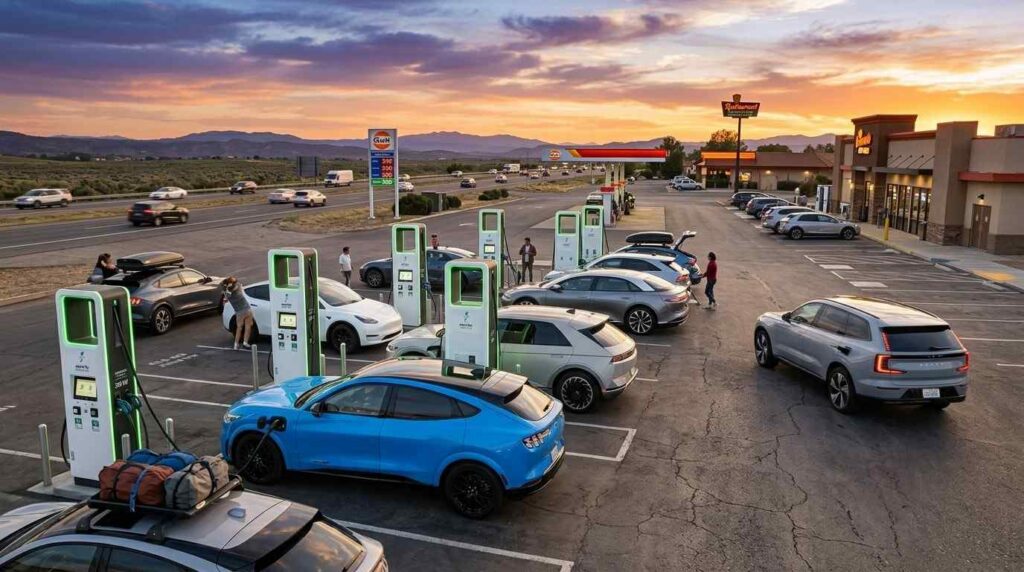
Your vehicle’s charging curve determines the “real” price you pay at the dispenser.
Think of the charging curve like a faucet that starts strong and gradually slows down the peak speed only lasts for the first 15–20 minutes of the session.
A vehicle with an 800V architecture, like the Hyundai Ioniq 5 or Kia EV6, can sustain high speeds longer, which lowers the effective cost on per-minute chargers. Conversely, a Chevy Bolt, which is capped at 55 kW, will spend three times as long at the stall. In my experience, expectations break when people compare charger pricing without factoring in their car’s limitations. You can check your vehicle’s specific efficiency and curve data on fueleconomy.gov.
Conclusion: Which Membership Pays Off?
What the data confirms:
For frequent highway drivers, Electrify America’s Pass+ is the most versatile value in 2026. It offers the most consistent per-kWh discounts across a nationwide footprint. Tesla’s network remains the reliability king, but its value is baked into the hardware integration rather than a monthly subscription for most owners.
What remains variable:
Regional pricing and “site-hosted” hardware. In many parts of the Midwest and South, the network choice is dictated entirely by what is available at a specific highway exit rather than price. Furthermore, if you live in a state that still allows per-minute pricing, your “membership savings” can be completely wiped out if your battery is cold and charges slowly.
Your next practical step is to check the DOE Charging Station Locator for your most frequent routes. Compare the network density, then run your monthly kWh usage against the membership tiers. If you’re not fast charging at least twice a month, stick to the free “Basic” tiers and save your $7.
References
- DOE Alternative Fuels Data Center – Electric Vehicles
- DOE Charging Station Locator
- NREL – National Renewable Energy Laboratory
- EPA Fuel Economy Data
- IRS Clean Vehicle Credit
Disclaimer: The information provided in this article is for educational and informational purposes only. It does not constitute professional advice. Readers should conduct their own research and consult with qualified professionals before making any decisions.
