
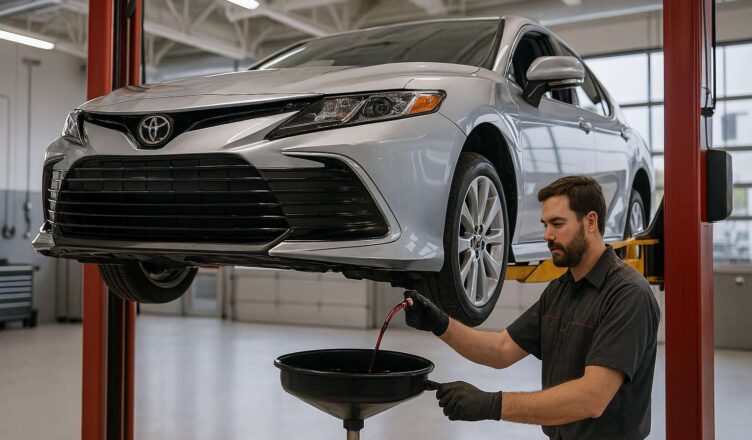
You’re at 75,000 miles. The car still shifts fine. No warning lights, no slipping, and nothing dramatic is happening under the hood. So, you decide to skip the transmission service the dealer recommended at 60,000 miles because it “felt early” and unnecessary.
In my years in the shop, I’ve seen that single decision turn into a $3,500 transmission rebuild roughly 20,000 miles later. This isn’t a matter of guesswork or upselling. Manufacturer schedules, documented failure patterns, and modern reliability data all point to one definitive reality: transmission fluid simply does not last as long as many owners assume it does.
In this guide, you’ll get the real intervals based on 2026 OEM guidance, what I’ve witnessed in the repair bay, and the technical reasons why the “lifetime fluid” claim often leads to mechanical disaster.
Why Shifting Problems Start Showing Up
Transmission fluid is a sophisticated multipurpose liquid. It isn’t just a lubricant; it is a hydraulic fluid that controls shifting, pressure, and clutch engagement inside the complex maze of the valve body. Because it operates under immense pressure, it is subject to extreme thermal stress.
Heat is the primary killer of automatic transmissions. Most units run fluid temperatures between 175°F and 220°F during normal driving conditions. However, when you tow a trailer, sit in summer traffic, or drive with a heavy foot, that temperature climbs rapidly. Once the fluid oxidizes due to heat, it loses its viscosity and its ability to protect internal metal parts.
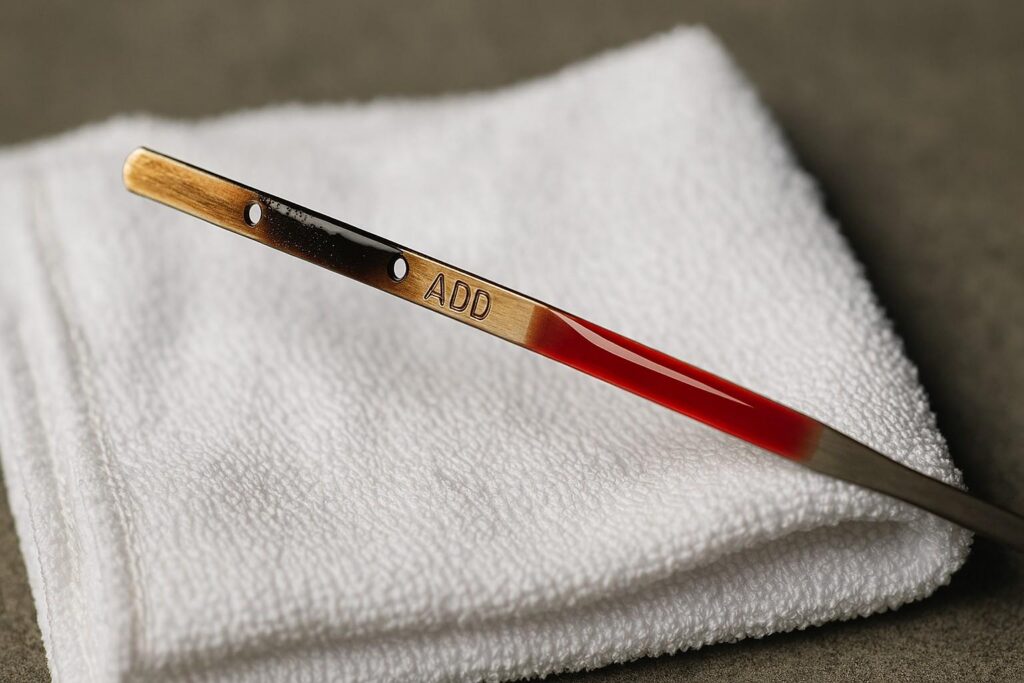
That degradation is the root cause of delayed shifts, followed by harsh “clunks,” and eventually, slipping. If a vehicle comes into my bay with rough shifting at 90,000 miles and no service history, the first thing I check is the fluid condition. Burnt, dark fluid is almost always the culprit. According to the CarMD 2025 Vehicle Health Index, transmission-related issues remain one of the most expensive repair categories once they progress beyond simple fluid maintenance.
“Lifetime Fluid” vs. Reality
Some manufacturers—including BMW, Ford, and various Toyota models—have championed the concept of “lifetime transmission fluid.” While this sounds great in a marketing brochure, it rarely ages well in the real world. In the industry, “lifetime” often refers to the expected warranty period or the average first-ownership window (typically 100,000 miles), not the 200,000-mile lifespan most drivers hope for.
Data from Consumer Reports indicates that vehicles with sealed or “lifetime” transmissions do not actually avoid failures. Instead, these designs simply push the burden of maintenance onto the second or third owner, often resulting in a total transmission replacement rather than a $200 service.
In our assessment, treating “lifetime fluid” as “no maintenance required” is one of the more expensive misunderstandings in modern car ownership. The fluid still degrades and collects microscopic metal shavings; the system just makes it harder for you to refresh it.
The Real Service Intervals (By Transmission Type)
Different transmissions wear through fluid at vastly different rates. Using 2026 industry standards and shop data, here is the breakdown of when you should actually be heading to the mechanic.
| Transmission Type | Typical OEM Interval | Real-World Shop Recommendation | Why It Matters |
| Automatic (Traditional) | 60,000–100,000 miles | Every 60,000 miles | Heat and clutch wear contaminate fluid |
| CVT (Continuously Variable) | 30,000–60,000 miles | Every 30,000–40,000 miles | Belt/chain systems are highly sensitive to fluid |
| Dual-Clutch (DCT) | 40,000–60,000 miles | Every 40,000–50,000 miles | High pressure and rapid shifting stress fluid |
| Manual Transmission | 60,000–100,000 miles | Every 60,000–80,000 miles | Gear oil breaks down slower but still degrades |
These ranges line up with manufacturer guidance from brands like Honda and Hyundai, though they often list broader intervals depending on “normal” vs “severe” use. Most drivers fall into the “severe” category without realizing it. Short trips, stop-and-go traffic, and extreme heat are the reality of daily driving in most American cities.
The True Cost of Neglect
Fluid changes are inexpensive when compared to the structural repair of a drivetrain. A standard transmission fluid service typically costs between $150 and $300, depending on the vehicle. If you ignore this maintenance, the financial math changes instantly:
- Valve Body Repairs: $800–$1,500
- Torque Converter Replacement: $1,500–$2,500
- Full Transmission Rebuild: $3,000–$5,500+
If a car enters my bay with slipping gears at 110,000 miles on the original fluid, I rarely recommend a fluid change. At that point, fresh fluid can sometimes make slipping worse because the old, gritty fluid was providing the friction necessary for worn clutches to grab. The damage was already done. Data from AAA consistently shows that major drivetrain repairs are among the highest unplanned expenses for car owners, yet they are the most avoidable.
Driving Habits: Not All Miles Are Equal
The factory manual cannot account for your specific commute. Highway miles are relatively easy on fluid because the transmission stays in a high gear with consistent cooling airflow. Conversely, urban driving is brutal. If you do any of the following, you should adhere to the shorter end of the service interval:
- City Driving: Frequent shifting in heavy traffic creates internal friction heat.
- Towing/Hauling: Increased load significantly raises fluid temperatures.
- Hot Climates: High ambient temperatures reduce the effectiveness of the transmission cooler.
- Aggressive Driving: Rapid acceleration forces the fluid to work harder to maintain hydraulic pressure.
I’ve seen CVTs fail under 80,000 miles in cars that never had a fluid change, particularly in urban environments. I’ve also seen the same hardware hit 150,000 miles with consistent 40,000-mile service intervals. The hardware is identical; the outcome is purely a result of maintenance.
Flush vs. Drain-and-Fill
A “drain-and-fill” replaces about 30–50% of the fluid, as much remains trapped in the torque converter. A “flush” uses a machine to replace nearly 100% of the fluid. In our assessment, if you have followed a consistent maintenance schedule, a flush is highly effective. However, if the fluid is ancient and blackened, a high-pressure flush can dislodge debris that may clog the narrow passages of the valve body. In cases of unknown history, I always recommend a conservative drain-and-fill first.
Conclusion: Act Before the Symptoms
If you wait until you feel a “shudder” or a “slip,” you are already too late for preventative maintenance. The cleanest rule for 2026 is to service your transmission every 60,000 miles—or every 30,000 for CVTs. This keeps you in the “maintenance window” rather than the “repair window.”
If a repair quote for a failing transmission exceeds 50% of the car’s current market value, it usually makes more financial sense to trade the vehicle in rather than sinking money into a rebuild. I’ve watched many owners regret crossing that threshold. While some models, like certain older Nissan CVTs, have higher failure rates regardless of care, most transmissions will reward consistent maintenance with a much longer lifespan.
References
- Consumer Reports: Car Reliability and Maintenance
- AAA: Your Driving Costs 2025-2026
- CarMD: 2025 Vehicle Health Index
- Toyota Official Service & Maintenance
Disclaimer: The information provided in this article is for educational and informational purposes only. It does not constitute professional mechanical or financial advice. Readers should conduct their own research and consult with a certified automotive professional before making any maintenance decisions.
