
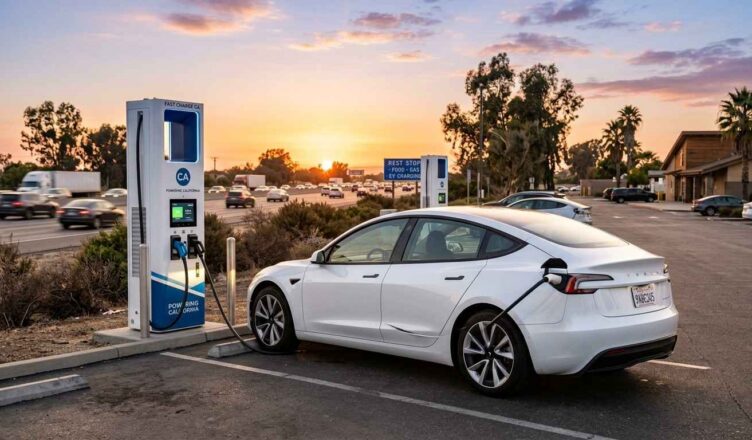
You check your EV’s range after a year and notice it has dropped—perhaps from 300 miles new to 285 miles. While that can feel alarming, it is actually the system working as designed. Most modern EV batteries lose about 5–10% of their capacity within the first 100,000 miles, and then the degradation curve significantly flattens out.
This article breaks down the chemical mechanisms inside your battery, what specifically accelerates capacity loss, and the real-world habits that genuinely extend your battery’s lifespan. By grounding these tips in 2026 data from the Department of Energy (DOE) and the National Renewable Energy Laboratory (NREL), we can separate modern engineering reality from outdated myths.
What Battery Degradation Actually Means in 2026
Battery degradation doesn’t mean your battery is “dying” or will suddenly fail; it simply means it holds slightly less energy than it did when new. According to 2026 Geotab telematics data covering over 22,000 vehicles, the average annual degradation rate is now approximately 2.3%.
Think of it like a rubber band that loses a tiny bit of its original “stretch” every time you pull it tight. In a lithium-ion battery, this happens because of the gradual loss of mobile lithium ions that move between electrodes to store and release energy.
For most drivers, this 10% loss is barely noticeable in daily operation. A 300-mile EV that drops to 270 miles still far exceeds the Federal Highway Administration’s reported average daily commute of ~37 miles. Furthermore, manufacturers include “battery buffers”—hidden capacity you cannot access—to help mask and slow the visible effects of degradation during the first few years of ownership.
The Real Drivers of Battery Wear
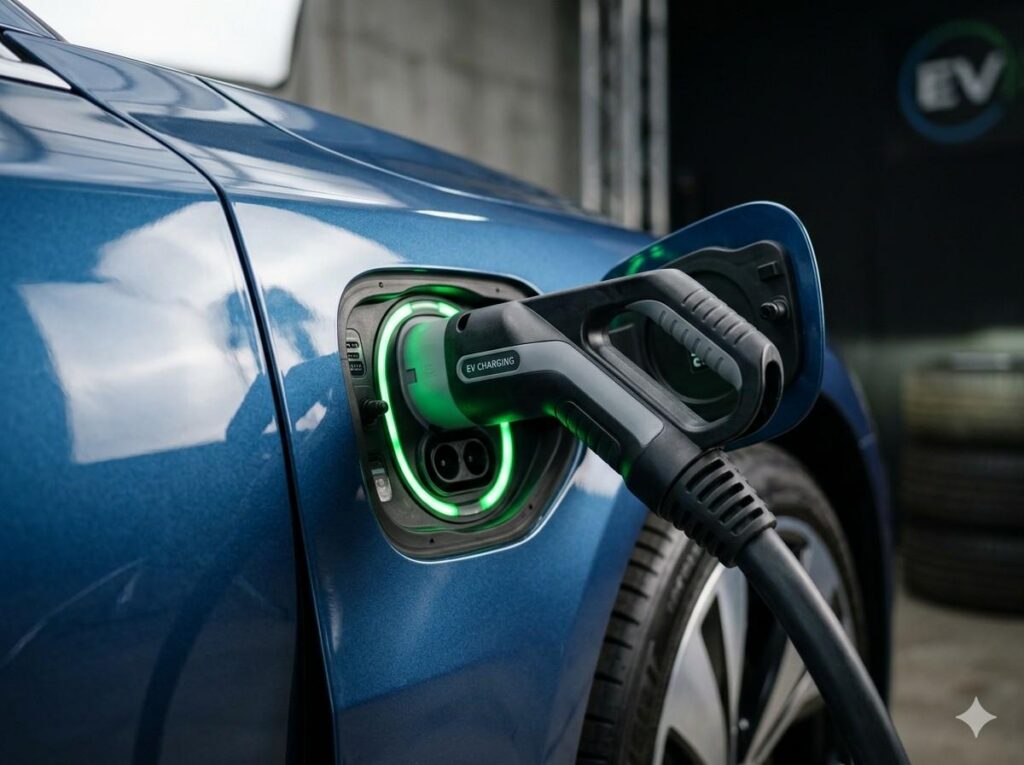
Not all usage patterns affect battery health equally. Based on 2026 NREL and DOE research, temperature and charging power have emerged as the most significant variables.
| Factor (2026 Data) | Impact on Degradation | Why It Matters |
| High State of Charge (90–100%) | High | Sustained high voltage stresses battery chemistry. |
| Frequent DC Fast Charging | Moderate–High | Heat buildup during >100kW charging accelerates wear. |
| Extreme High Temperatures | High | Heat speeds up parasitic chemical reactions inside cells. |
| Deep Discharges (near 0%) | Moderate | Strains the physical structure of the battery electrodes. |
| Normal Daily Charging (20–80%) | Low | Keeps the battery in its chemical “sweet spot”. |
The latest 2026 Geotab study confirms that vehicles frequently using DC fast chargers above 100 kW see degradation rates closer to 3.0% per year, compared to just 1.5% for those primarily using slower AC charging. Temperature also plays a measurable role: EVs in hot climates (like Arizona) degrade roughly 0.4% faster annually than those in milder regions.
Charging Habits That Actually Make a Difference
In our assessment, you don’t need to micromanage your EV, but three specific habits can significantly shift your long-term health outcome:
- The 80% Rule: Most 2025 and 2026 EV models, including those from Tesla and Hyundai, allow you to set a daily charge limit in the software. Keeping your daily ceiling at 80% reduces the “voltage stress” on the cells.
- Avoid “Deep Soaking” at 100%: Charging to 100% for a long road trip is perfectly fine. The damage occurs when the car sits at 100% in a hot driveway for days at a time.
- Prioritize AC Charging: Whenever possible, use Level 2 (AC) home or work charging. Save the high-speed DC chargers—which you can locate via the DOE’s 2026 Station Locator—for actual travel.
The Role of Thermal Management in 2026
Modern EV platforms have become vastly more sophisticated at protecting themselves. According to the 2026 Blueprint for EV Battery Thermal Management, new “Thermal Brain” systems now use GPS-linked data to pre-cool or pre-warm the battery to a “Goldilocks zone” (around 18°C–25°C) before you even arrive at a fast charger.
This precision engineering is why Tesla’s 2026 fleet data now shows only a ~15% total capacity loss after 200,000 miles for Model 3 and Model Y vehicles. These batteries are increasingly outlasting the vehicle’s body and mechanical components.
Conclusion: Who Should Really Worry?
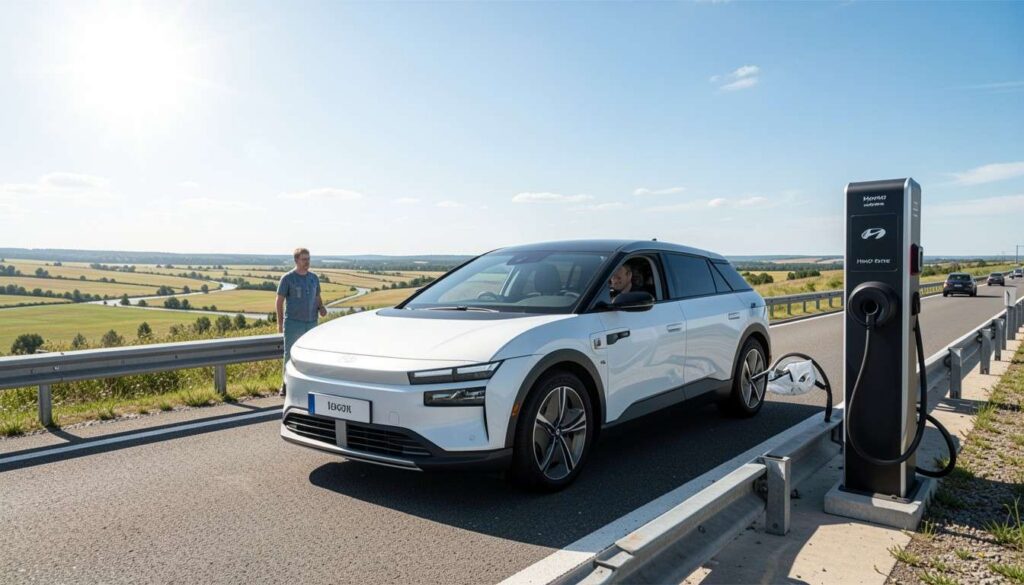
If you plan to keep your EV for more than a decade or drive over 20,000 miles a year in a hot climate, these battery care habits are a worthwhile investment. However, for the average driver leasing or trading in every 5–8 years, degradation is a non-issue that will not materially affect your daily range or the vehicle’s utility.
Most U.S. EVs come with an 8-year/100,000-mile warranty that guarantees at least 70% capacity retention, and 2026 reports from Recurrent show that actual battery failure rates for 2022+ models are as low as 0.3%.
One limitation to keep in mind is that while we have excellent data for the first 200,000 miles, long-term data for 300,000+ miles on newer chemistries is still being gathered. Your best next step is to use the Edmunds True Cost to Own calculator to see how these efficiency factors impact your specific model over time.
References
- DOE EV Resources and Battery Health (2026)
- DOE Alternative Fuels Data Center: Station Locator
- Geotab 2026 EV Battery Health Study
- NREL EV Efficiency and Thermal Management Reports (2026)
- Edmunds Real-World EV Range and Consumption Database (2026)
Disclaimer
The information provided in this article is for educational and informational purposes only and does not constitute professional engineering or financial advice. Readers should consult with qualified professionals and their vehicle’s manufacturer documentation before making maintenance or purchasing decisions.
