
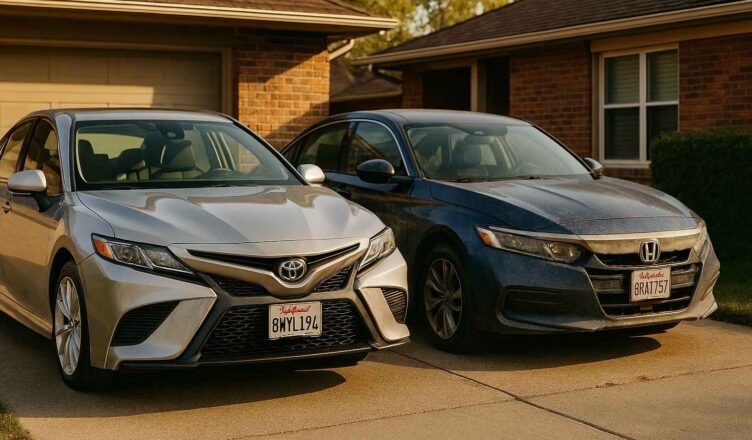
A three-year-old Toyota Camry with 45,000 miles can sell for thousands more than the same car with spotty maintenance records and one accident on file. Same year. Same trim. Totally different outcomes. That gap isn’t random; it’s a handful of factors stacking up over time some you control, some you don’t. By the end of this, you’ll know which ones actually move the needle, what the 2026 data says from J.D. Power and Consumer Reports, and where owners quietly lose the most money without realizing it.
Skip Maintenance and the Value Drops Fast
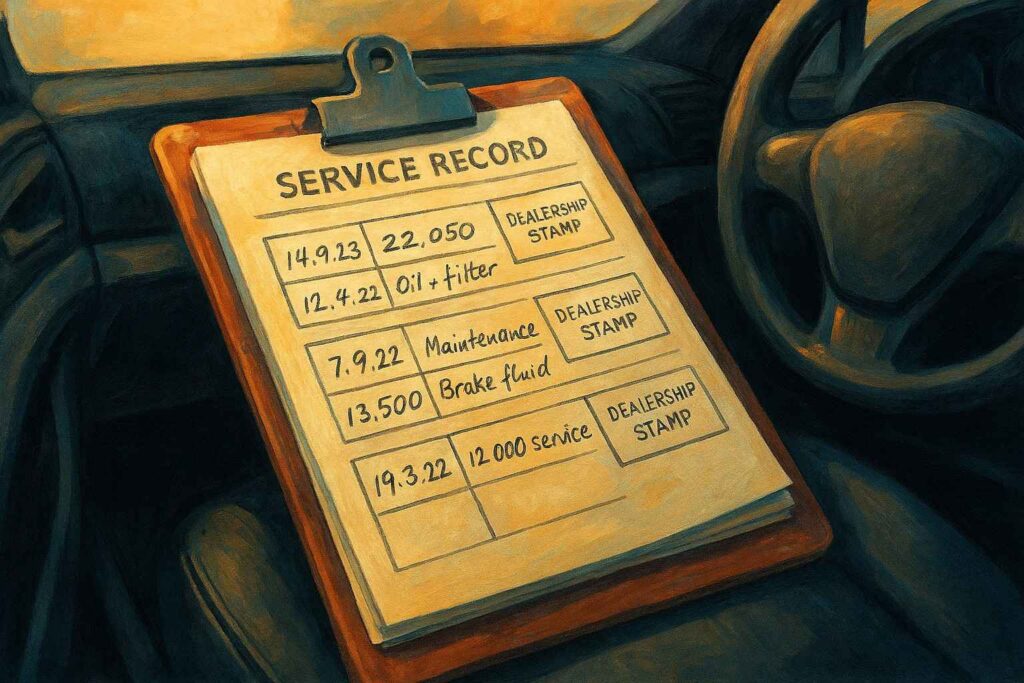
Miss enough oil changes and you won’t just hear it you’ll see it in resale offers. Most manufacturers set oil change intervals between 5,000 and 10,000 miles, depending on engine and oil type. Consistently skipping these services accelerates internal wear that shows up during inspections or through engine noise, significantly hurting your valuation.
A basic oil service typically runs $60–120 in today’s market. In contrast, engine damage from sludge buildup is a $3,000–6,000 problem on modern engines. When a car enters a service bay with a rough idle and unknown history, technicians immediately check oil condition and maintenance records. Buyers and dealers do the same thing, often with less patience for discrepancies.
The Consumer Reports Cars 2026 reliability data indicates that vehicles with documented maintenance histories hold value better than those without. This isn’t necessarily because the engine lasts longer, but because documented care builds buyer trust. Paperwork is the physical proof of your car’s health; without records, most buyers will assume the worst-case scenario.
High Mileage Cuts Value — But Not All Miles Are Equal
Two cars with 80,000 miles can age very differently based on where those miles were driven. Highway miles tend to be easier on engines, transmissions, and brakes because the vehicle operates at a steady temperature with fewer shifts. City driving involves stop-and-go traffic, heat cycles, and heavy braking, which wears components faster. Experienced buyers often assume city miles unless you can prove otherwise through your commute history.
According to AAA, the average U.S. driver logs about 13,500 miles per year as of 2025. Going significantly above this average causes depreciation to accelerate. In our assessment, this is where high-volume drivers lose the most equity.
| Vehicle Type | Avg Annual Miles | Value Retention (5 Years) | 2025 Source Data |
| Sedan (Toyota Camry) | 12,000 | 62.4% | J.D. Power ALG |
| Compact SUV (Honda CR-V) | 13,000 | 67.8% | J.D. Power ALG |
| Pickup Truck (Ford F-150) | 15,000 | 64.2% | J.D. Power ALG |
| Luxury Sedan (BMW 5 Series) | 12,000 | 48.1% | J.D. Power ALG |
Luxury cars generally drop in value faster than economy brands due to higher maintenance costs and specialized repair needs. A five-year-old BMW with average miles often sells for what a three-year-old Toyota does. This disparity stems from different buyer expectations and the perceived risk of out-of-warranty repairs.
Accident History Follows the Car Forever
A single accident can wipe out 10% to 30% of a car’s resale value, depending on the severity and whether structural components were involved. This data comes from the CARFAX 2026 Vehicle Impact Report, which tracks how “diminished value” affects dealer appraisals. Frame damage, airbag deployment, or structural repairs hit the hardest, even if the car currently drives perfectly.
If a car undergoes collision repair, inspectors will check alignment, panel gaps, and suspension geometry for any lingering issues. Buyers often do the same during pre-purchase inspections or may simply walk away if the report isn’t clean. Minor accidents, like a repaired bumper, still create doubt in a buyer’s mind. While a clean history doesn’t guarantee top dollar, a reported accident almost always guarantees a discount.
Brand Reliability Shapes Buyer Confidence
Some brands hold value better because their reputation feeds directly into resale pricing. The J.D. Power 2025 Vehicle Dependability Study consistently shows brands like Toyota, Honda, and Lexus at the top of the rankings. When a consumer buys one of these used vehicles, they are essentially buying the peace of mind associated with fewer mechanical problems.
In our assessment, this brand cushion is one of the biggest hidden drivers of resale value. On the flip side, vehicles with known systemic issues—such as transmission failures or electrical gremlins—take a hit fast. Even if your specific vehicle never experienced the issue, the “guilt by association” can lower your asking price.
This is often seen with certain Nissan CVT models; they may be perfectly fine cars, but buyers hesitate because of the brand’s past transmission reputation. Fair or not, these perceptions stick in the used market.
Condition Still Beats Everything Else
Paint quality, interior wear, and small aesthetic details matter more than most owners expect. Scratched panels, faded headlights, and torn seats all chip away at value because they signal a general pattern of neglect to the buyer. While a professional detail might cost $150–300, ignoring the condition can cost you over $1,000 at the time of sale.
When appraising a car, technicians notice the “little things” first: a dirty engine bay, a worn steering wheel, or mismatched tires. These factors tell a story of how the car was treated long before the odometer is even checked. This is one area you fully control, and it is usually the most cost-effective way to protect your investment.
Market Timing and Fuel Prices Change the Equation
When gas prices hit $5 per gallon, the value of hybrids and fuel-efficient compacts tends to jump. This isn’t theoretical; it is a trend tracked by the EPA Fuel Economy Data which helps buyers compare long-term costs. Demand shifts quickly when fuel costs rise, and large SUVs or trucks may regain ground when prices stabilize.
Seasonality also plays a role in your final offer. Convertibles generally sell better in the spring, while AWD vehicles get more attention heading into the winter months. While this part of the equation is harder to control, timing your sale with these cycles can move the final number in your favor.
Modifications Usually Hurt More Than They Help
Aftermarket wheels, loud exhausts, and lifted suspensions usually narrow your buyer pool. A stock car appeals to a much broader audience, which is essential for maintaining a high price. In many cases, modifications reduce resale value because buyers assume the car was driven harder or that the parts were installed improperly.
If a heavily modified car enters a shop for appraisal, the technician must check for extra stress on suspension components or the drivetrain. Cautious buyers think about these risks as well. While there are exceptions for tasteful upgrades on enthusiast cars, most of the time, the original factory configuration wins the day.
Ownership Costs Signal Future Risk
Buyers look ahead at what the car will cost them tomorrow, not just what it costs today. Insurance rates, maintenance schedules, and known repair issues factor into what someone is willing to pay. Both the Insurance Information Institute and AAA track these ownership costs, and high projected expenses will drive down a car’s current resale value.
This is where tools like the Edmunds’ True Cost to Own calculator become useful for sellers. You can see how your car compares over a five-year window, which is exactly what savvy buyers are doing. A car that is expensive to maintain will naturally sell for less, even if it runs perfectly at the moment.
Conclusion: What Actually Moves the Needle
If you want the highest resale value, the formula is straightforward: buy a reliable brand, keep mileage reasonable, and maintain it on a strict schedule. Avoid accidents and keep the vehicle clean. In our assessment, maintenance history and an accident-free status carry the most weight in any transaction.
There is one limitation to keep in mind: local market demand can shift these numbers more than national averages suggest. A pickup truck might hold its value better in a rural area than in a dense urban market where compact cars are more practical.
If you’re planning to sell, run your car through KBB for pricing context and check your local listings. If a repair comes up before you sell, consider the “20% rule”—if the fix costs more than 20% of the car’s total resale value, you are usually better off selling it as-is and adjusting your price accordingly.
References
- J.D. Power 2025 Vehicle Dependability Study
- Consumer Reports Cars
- AAA 2025 Ownership Costs
- EPA Fuel Economy Data
- Insurance Information Institute
- CARFAX Diminished Value Report
Disclaimer: The information provided in this article is for educational and informational purposes only. It does not constitute professional financial or mechanical advice. Readers should conduct their own research and consult with qualified professionals before making any automotive or financial decisions.
