

You’re signing papers at the dealership, and right before the finance manager slides the contract over, they pause. Then comes the pitch: “For a little extra per month, you can protect yourself from major repair bills.”
In 2026, that “little extra” typically translates to $1,800 to $3,500 for an extended warranty. Depending on what you drive, it’s either a savvy hedge against rising tech failures or money you’ll never see again.
By the end of this, you’ll know when extended warranties make financial sense, which vehicles benefit the most, and how to run your own numbers using Edmunds’ True Cost to Own calculator and reliability data from J.D. Power and Consumer Reports.
What You’re Really Buying (And Why It’s Priced That Way)
An extended warranty isn’t actually a warranty—it’s a service contract.
Factory warranties (like a 3-year/36,000-mile basic plan) are backed by the manufacturer. Extended warranties are often third-party products with specific exclusions and payout limits. Finance offices may mark up these contracts by 30–50%, which is why the same plan can vary by thousands depending on where you shop.
Essentially, you are prepaying for repairs while also paying for the dealership’s overhead and profit.
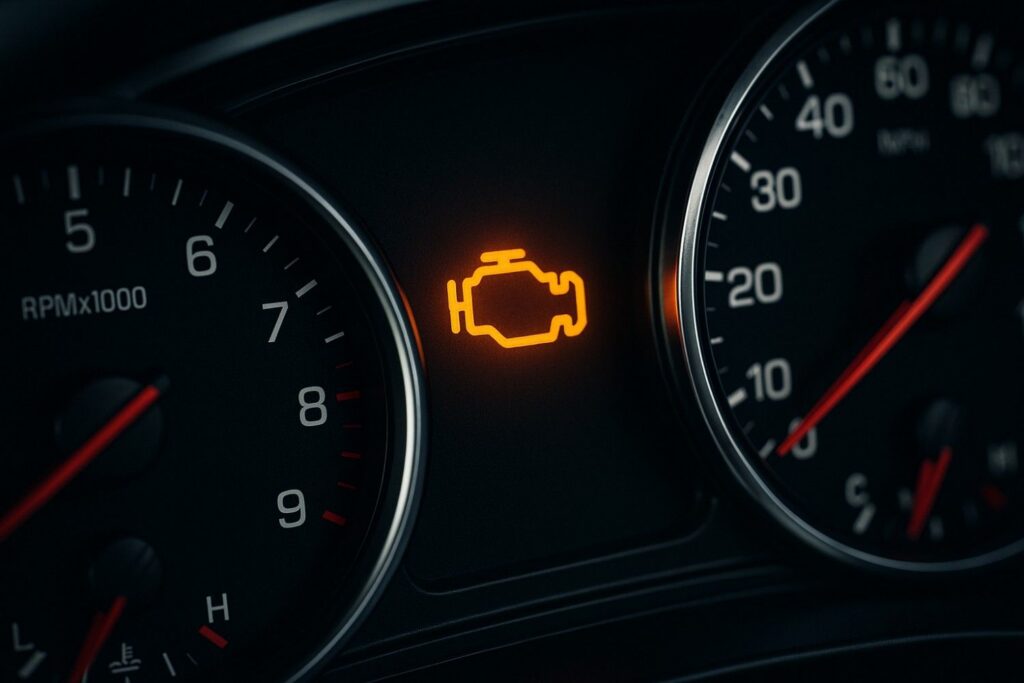
The Math: Repair Costs vs. Warranty Premiums
Let’s look at real-world data for out-of-warranty repairs in 2026:
| Repair Type | Typical Cost (USD) | Common Mileage Range |
| Engine replacement | $4,000 – $10,000+ | 100k – 150k miles |
| Transmission replacement | $1,200 – $6,000 | 80k – 140k miles |
| Suspension overhaul | $2,500 – $3,500 | 70k – 120k miles |
| Catalytic converter | $1,000 – $1,500 | 80k – 120k miles |
| Infotainment/Software Failure | $1,200 – $2,500 | 40k – 90k miles |
Source: 2026 Industry Averages.
Compare these to a typical warranty costing $2,000–$3,500 with a $100–$250 deductible per visit. If your vehicle avoids major hardware failures but suffers from the “tech bloat” common in 2026 models, the warranty might only just break even after deductibles.
Reliability Data in 2026: The “Tech Bug” Era
Not all cars break at the same rate. According to the J.D. Power 2026 Vehicle Dependability Study, industry-wide dependability has hit a new low of 204 problems per 100 vehicles (PP100).
Infotainment and software are the leading culprits, accounting for 56.7 PP100. Consumer Reports 2026 rankings show that while Toyota, Lexus, and Subaru remain reliability stalwarts, even these brands are grappling with complex hybrid and infotainment glitches.
Where Warranties Make Sense
- European Luxury: Brands like BMW (58/100 score) and Audi show higher repair frequencies for complex electronic modules.
- First-Gen EVs/Hybrids: J.D. Power reports that PHEVs are currently the most problematic powertrain, averaging 281 PP100.
- Tech-Heavy Redesigns: Vehicles with large-scale over-the-air (OTA) update systems have seen a 14% increase in problems this year.
Where They Usually Don’t Pay Off
- Mainstream Stalwarts: Models like the Toyota Camry, Honda Accord, and Subaru Impreza are consistently ranked as the most reliable for 2026.
- Short-term Ownership: If you trade in every 3–4 years, you are paying for coverage that overlaps with your factory warranty.
The Fine Print: Where People Get Burned
Coverage is never universal. Most extended warranties exclude:
- Wear items: Brakes, tires, and clutches.
- Maintenance-related failures: If you skip a scheduled oil change, a claim for engine failure can be denied.
- Software “Glitch” vs. “Failure”: Some contracts only cover hardware replacement, not software labor to fix a frozen screen.
Beyond that, manufacturer-backed plans (e.g., Toyota Vehicle Service Agreements) generally offer smoother claim approvals than third-party companies, though they often cost more upfront.
Your Driving Habits: The X-Factor
A car driven 15,000 miles a year on highways faces different risks than one used for short city trips. In our assessment, highway driving is easier on components, while short trips put more stress on batteries and cooling systems. Furthermore, your location matters—extreme heat or salt-heavy winters can accelerate suspension and sensor degradation.
Reality Check: Run Your Numbers
Before you sign, check the IIHS Safety Ratings to ensure your vehicle is a sound long-term investment, then ask yourself: “Can I afford a $3,000 surprise bill tomorrow?”.
If the answer is no, a warranty provides “budget insurance.” If the answer is yes, you are likely better off putting that $3,000 into a dedicated high-yield savings account for repairs.
References
- J.D. Power 2026 U.S. Vehicle Dependability Study
- Top 10 Most Reliable 2026 Models – Consumer Reports
- The 10 Most Reliable Car Brands in 2026 – How-To Geek
- Edmunds 2026 True Cost to Own Data
- Edmunds TCO 5-Year Calculator
- IIHS 2026 Top Safety Picks
- Safest Cars in America 2026 – Official IIHS Results
- Average Cost for Car Maintenance in 2026 – Chime/AAA Data
Disclaimer: The information provided in this article is for educational and informational purposes only. It does not constitute professional financial or automotive advice. Readers should conduct their own research and consult with qualified professionals before making any decisions.
