
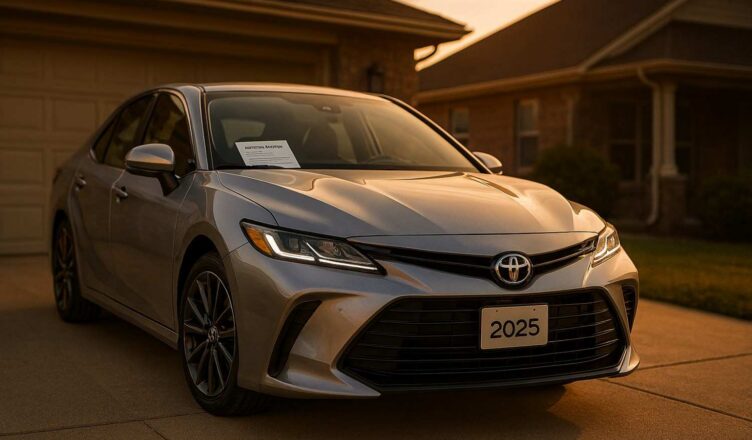
You open your renewal notice expecting a small bump. Instead, it’s up 18%. Same car, same commute, no claims. That’s the part that catches most people off guard.
Insurance premiums across the U.S. climbed sharply into 2026, and it isn’t tied to one thing you did wrong. It’s a stack of industry-wide changes—repair costs, claim frequency, even the way modern cars are built. By the end of this, you’ll understand exactly what pushed rates up, what data insurers are using, and where you actually have leverage to bring your premium back down.
And yes—some of the fixes are simpler than you think.
Repair Costs Are Driving Premiums Higher
Walk into any body shop today and ask what a simple bumper repair costs. You’ll get a number that would’ve sounded ridiculous five years ago.
Modern cars are packed with sensors—radar units, cameras, parking modules—hidden behind what used to be cheap plastic. A minor fender bender in a 2025 Honda Accord can easily run $1,500–$3,000 once recalibration is included. Ten years ago, that same hit might’ve been $600.
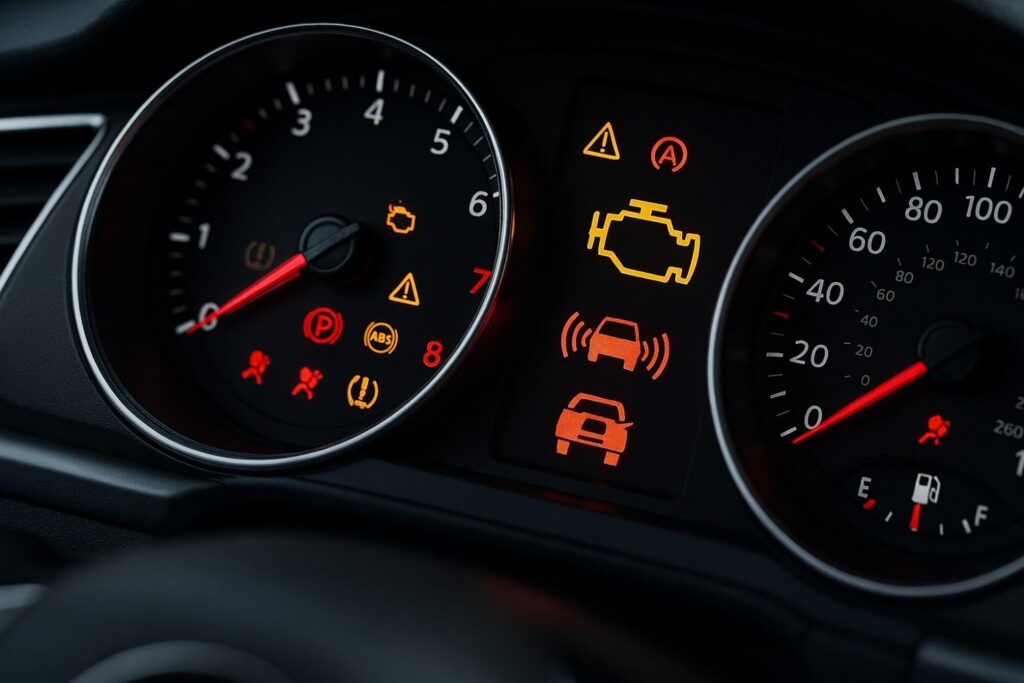
According to the Consumer Reports Auto Insurance Report (2025), rising repair complexity is one of the biggest contributors to premium increases. Insurers aren’t guessing here—they’re reacting to actual claim payouts.
If this car came into my bay after a low-speed rear-end hit, the first thing I’d check isn’t the bumper cover—it’s the radar sensor alignment. Miss that, and the adaptive cruise stops working. That’s not optional repair work anymore.
More Claims, Not Just Bigger Ones
It’s not just that repairs cost more. There are more claims being filed. Traffic levels bounced back after the pandemic dip, and accident frequency followed. But there’s another piece—driver behavior.
Data from the National Highway Traffic Safety Administration (NHTSA) 2025 report shows an uptick in distracted driving incidents, especially tied to mobile device use. Short version: more crashes, more payouts.
Insurers adjust pricing based on risk pools, not just individual behavior. You can drive perfectly and still see your premium rise because your zip code has more claims. That part frustrates people.
Vehicle Type Matters More Than You Think
Your car choice directly affects your premium—sometimes more than your driving record.
| Vehicle (2025 Model) | Avg Annual Insurance Cost (U.S.) | Repair Complexity | Theft Risk |
| Toyota Camry LE | ~$1,650 | Moderate | Low |
| Honda CR-V EX | ~$1,720 | Moderate | Medium |
| Tesla Model Y | ~$2,450 | High | Medium |
| Ford F-150 XLT | ~$1,980 | Moderate-High | High |
| Hyundai Elantra SEL | ~$1,780 | Moderate | High (recent trends) |
Data compiled using insurer filings and pricing benchmarks from Kelley Blue Book (2025–2026).
Electric vehicles like the Tesla Model Y often cost more to insure—not because they crash more, but because repairs require specialized parts and trained technicians. Battery damage alone can push a claim into total-loss territory. Despite these trends, people often underestimate this factor. They’ll compare fuel economy down to the decimal but ignore insurance completely.
Severe Weather Is Quietly Pushing Rates Up
Think about the last few years—hailstorms, floods, wildfires. Insurance companies are paying out more for weather-related damage than they did a decade ago.
According to the Insurance Information Institute 2026 Outlook, catastrophe-related claims continue to rise, especially in states prone to extreme weather. Even if you’re not in those areas, insurers spread risk across their entire customer base. Your premium reflects national trends, not just local ones.
If you park outside regularly, this hits harder. Hail damage claims alone can run $3,000–$8,000 depending on panel damage and paint work.
The Rise of “Social Inflation” and Litigation
A factor many drivers overlook is the increasing cost of legal settlements. In the insurance world, this is often called “social inflation.”
Juries are awarding larger sums for personal injury claims than in previous decades. As the cost of medical care rises, the baseline for what constitutes a “fair” settlement follows. Insurers pass these anticipated legal costs onto the policyholder. This is a primary reason why liability coverage—the part that protects you if you hurt someone else—has seen some of the steepest percentage climbs.
So What Can You Actually Do About It?
This is where most advice gets vague. Here’s what actually moves the needle in 2026.
1. Adjust Deductibles—But Know the Tradeoff
Raising your deductible from $500 to $1,000 can lower premiums by roughly 10–20%, according to industry estimates. But don’t pick a number you can’t cover tomorrow. If you’d hesitate to pay $1,000 out of pocket after a minor accident, the savings aren’t worth it.
2. Bundle Policies (When It Actually Saves Money)
Bundling auto with home or renters insurance often cuts costs. Use tools like the Edmunds True Cost to Own calculator to understand your full ownership picture, then compare bundled vs standalone quotes. Sometimes insurers quietly inflate one side of the bundle.
3. Drive Fewer Miles—Seriously
Low-mileage discounts are real, especially post-2025 as insurers lean into usage-based pricing. If your annual mileage drops below 7,500–10,000 miles, many insurers adjust rates downward. Some offer telematics programs that track actual driving behavior.
Warning: those programs monitor braking, acceleration, even time of day. If you drive aggressively, they can backfire. Your mileage may vary. Literally.
4. Revisit Your Coverage on Older Cars
This one gets overlooked constantly. If your car’s market value drops below $4,000–$5,000, carrying full collision coverage may not make financial sense anymore. A major claim might barely exceed your deductible plus premiums paid. Check values using Kelley Blue Book or TrueCar.
5. Improve Your Credit (Yes, It Matters)
In most states, insurers use credit-based insurance scores. According to the J.D. Power 2025 U.S. Auto Insurance Study, customers with stronger credit profiles often receive lower premiums. It’s not immediate, but over time, it can shift your rate tier.
Why “Loyalty Discounts” Are Often a Myth
One of the biggest misconceptions in the industry is that staying with the same company for 20 years guarantees the best rate. In reality, many companies use “price optimization” algorithms.
These models identify customers who are less likely to shop around—often those who have been with the company the longest—and may nudge their rates higher, knowing they won’t leave. This is why shopping every renewal cycle is the single most effective way to keep costs down. You aren’t being rewarded for loyalty; you are often being taxed for it.
The Geographic Factor: Where You Live vs. Where You Work
If you have moved recently or changed jobs, your insurance company needs to know. While moving to a high-traffic city center usually raises rates, moving to a quiet suburb can lower them.
Furthermore, if your new job allows for hybrid work, your “primary use” for the vehicle might shift from “Commuting” to “Pleasure.” This simple designation change can save you 5–10% annually because the insurer perceives the car as being on the road during fewer high-risk hours.
The Bottom Line for 2026 Drivers
If you’re driving a newer vehicle with advanced safety tech, live in a high-traffic area, and haven’t reviewed your policy in a couple of years, you’re the exact driver seeing the biggest increases.
For most people, the fastest way to reduce premiums is a combination of raising deductibles slightly, re-shopping policies, and dropping unnecessary coverage on older cars. That’s where real savings show up. In our assessment, drivers of older vehicles benefit the most from reevaluating coverage levels, while newer-car owners should focus on insurer comparisons and usage-based discounts.
Insurance pricing varies heavily by state regulations. If you’re in places like Michigan or Florida, your baseline rates follow a different rulebook entirely. The next step is simple. Pull your current policy, check your deductible, look up your car’s actual value, and get a fresh set of quotes. The final result of that 15-minute exercise is usually a much better renewal letter.
References
- Consumer Reports Auto Insurance Report (2025)
- National Highway Traffic Safety Administration (NHTSA)
- Insurance Information Institute 2026 Outlook
- J.D. Power 2025 U.S. Auto Insurance Study
- Kelley Blue Book
- Edmunds True Cost to Own
Disclaimer: The information provided in this article is for educational and informational purposes only. It does not constitute professional advice. Readers should conduct their own research and consult with qualified professionals before making any decisions.
