
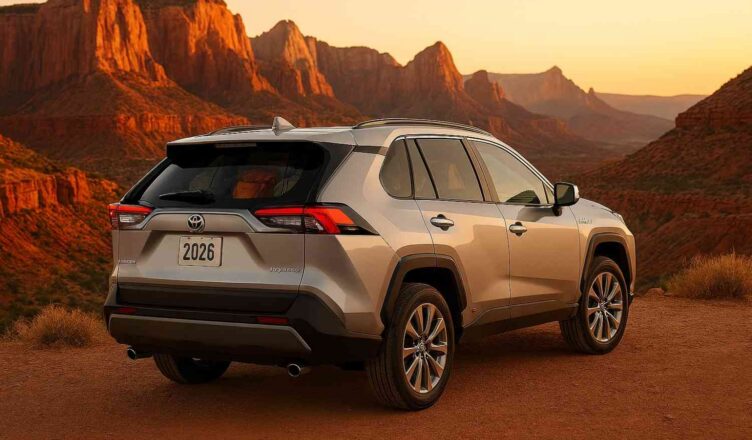
A week-long road trip works best when you treat it like a logistics project, not a loose set of drives. My recommendation is a loop route in a fuel-efficient hybrid crossover for most travelers, because it usually balances range, cargo space, and lower operating cost better than a heavier SUV.newsroom.
If you assume you need a big body-on-frame SUV for every 7-day trip, I disagree. For many paved U.S. routes, a hybrid crossover can be the better tool, while full-size SUVs often add fuel use and parking hassle without giving solo travelers or couples much extra value.
Why a 7-day plan works
A 7-day trip is long enough to cover meaningful distance but short enough that you can still build in recovery time. I usually aim for about 200 to 250 driving miles per day, which leaves room for meals, stops, and one unplanned detour without turning the trip into a marathon. Mileage may vary if you are traveling with young kids, doing dense city touring, or crossing remote terrain with few services.
A good itinerary also needs slack. If every day is packed end to end, one road closure, slow hotel check-in, or missed reservation can throw off the whole week. Build one light day or flexible half-day into the route so the trip can absorb delays instead of collapsing.
Pick the right vehicle
For most paved road trips, I would choose a midsize hybrid crossover over a truck or large SUV. The AAA 2025 Your Driving Costs study puts the average cost to own and operate a new vehicle at $11,577 per year, and that kind of operating-cost framing matters when you are stacking fuel, parking, and tolls on top of lodging and food.
| Vehicle type | Best use case | Practical trade-off |
|---|---|---|
| Hybrid crossover | National parks, scenic loops, mixed city and highway driving | Less ground clearance than off-road vehicles |
| Full-size SUV | Large families, lots of luggage, towing | Higher fuel use and harder parking |
| EV | Regional routes with reliable charging | Charging stops and coverage gaps in some areas |
| Midsize truck | Light overlanding and outdoor gear hauling | Less secure interior storage and poorer efficiency |
The downside of many modern off-road-capable vehicles is that they are sold as do-everything machines, but the real trade-off is weight, size, and fuel consumption. That is fine if you genuinely need those capabilities, but for a normal week-long road trip, they are often more vehicle than necessary.
Prep the vehicle
Your trip starts before you leave the driveway. Check tire pressure, tread wear, brake condition, fluids, wiper blades, and battery health at least a few days before departure so you have time to fix anything that looks off.
Tire age deserves special attention. Guidance cited in tire-aging research commonly points to replacement around six years, even if tread still looks usable, because rubber degrades over time. That makes a pre-trip tire check more than a formality, especially if you will be on hot pavement, mountain grades, or rough shoulders.
One criticism I have of some newer vehicles is the move away from a real spare tire. Repair kits can be useful for a small puncture, but they will not help much with a sidewall cut or major tire failure far from a service center. If your car does not include a spare and you are heading into remote areas, that omission can become a real problem.

Route logistics
For a 7-day trip, I prefer a loop over a point-to-point route. A loop avoids one-way rental drop fees, makes packing simpler, and lets you return to the same starting point without arranging extra transportation. That structure also makes it easier to rebalance the itinerary if you decide to stay longer in one place.
For EV drivers, route planning needs an extra layer of discipline. The DOE/EPA 2026 Fuel Economy Guide provides updated annual fuel-cost information for current-model vehicles, and federal charging-infrastructure resources remain the right place to verify station availability before you commit to a remote route.
If you are driving through cold weather or high elevations, range can drop faster than the dashboard estimate suggests. That is a place where “your mileage may vary” is not just a disclaimer; it is a planning rule. I would not count on advertised range alone when the route includes winter weather, long grades, or long stretches between chargers.
Budget the trip
I like to budget a road trip in four buckets: fuel or charging, lodging, food, and trip extras such as parking, tolls, and attraction fees. That breakdown is easier to manage than one big “vacation” number because it shows where the money is actually going.
For the cost side, use educational sources rather than guessing. AAA’s 2025 Your Driving Costs study is a useful baseline for ownership and operating-cost context, while the 2026 Fuel Economy Guide helps you compare estimated fuel costs across vehicles before the trip begins.
A simple food rule also helps. I usually plan one restaurant meal per day and cover the rest with groceries, snacks, and drinks packed ahead of time. That approach reduces impulse spending and keeps you from paying convenience-store prices three times a day.
Pack for safety
Safety gear should be boring and complete. I would pack a paper map or downloaded offline maps, a jump starter, a flashlight, phone charging cables, a first-aid kit, water, and basic tools for small roadside issues.
Do not overdo the electronics and underdo the basics. A great navigation app is helpful, but it is not a substitute for knowing your next fuel stop, your next lodging stop, and your alternate route if weather closes a pass or traffic stalls the main highway.
A simple 7-day flow
Here is the structure I would use for a week-long trip:
- Day 1: Long departure day, get to your first major stop.
- Day 2: Shorter drive, keep the afternoon open.
- Day 3: Best sightseeing day, minimal mileage.
- Day 4: Mid-trip transfer day to the next region.
- Day 5: Flexible day for a detour or rest.
- Day 6: Final scenic segment, avoid overcommitting.
- Day 7: Easy return leg or overnight near home.
That rhythm usually works better than trying to drive hard every day. The goal is not to maximize miles; it is to keep the trip enjoyable, manageable, and resilient when plans change.
My final pick
For most travelers planning a 7-day U.S. road trip, I would choose a hybrid crossover, a loop route, and a day-by-day mileage cap. That combination usually gives the best balance of cost control, comfort, and flexibility, while avoiding the extra fuel and parking burden of a larger SUV. If you are traveling with a large group, towing gear, or heading deep off pavement, that recommendation changes. In those cases, the vehicle should match the terrain and cargo first, not the other way around.
References
- Newsroom, 2025 Your Driving Cost – Fact Sheet: https://newsroom.aaa.com/asset/2025-your-driving-cost-fact-sheet
- Your Driving Costs 2025 PDF: https://newsroom.aaa.com/wp-content/uploads/2025/09/UPDATE-AAA-Fact-Sheet-Your-Driving-Cost-9.2025-1.pdf
- DOE/EPA 2026 Fuel Economy Guide information: https://www.michiganada.org/2026-fuel-economy-guide-now-available
- Federal EV charging and infrastructure resources: https://www.transportation.gov/rural/ev/toolkit/ev-infrastructure-funding-and-financing/federal-funding-programs
- NHTSA tire safety information: https://www.nhtsa.gov/ntsb
- https://www.transportation.gov/briefing-room/usdot-announces-new-vehicle-fuel-economy-standards-model-year-2024-2026
- https://www.ntsb.gov/news/events/Documents/2014_Tire_Safety_SYM_Panel_4b_Kane.pdf
- https://www.edmunds.com/car-maintenance/how-old-and-dangerous-are-your-tires.html
- https://afdc.energy.gov/laws/12744
- https://newsroom.aaa.com/wp-content/uploads/2025/09/UPDATE-AAA-Fact-Sheet-Your-Driving-Cost-9.2025-1.pdf
- https://www.nhada.com/news/2026-fuel-economy-guide-now-available
- https://www.kbb.com/car-news/aaa-it-costs-11577-a-year-to-drive
Disclaimer: The information provided in this article is for educational and informational purposes only. It does not constitute professional advice. Readers should conduct their own research and consult with qualified professionals before making any decisions.
